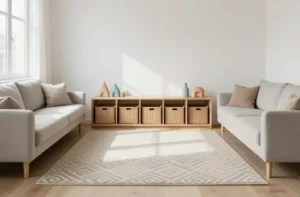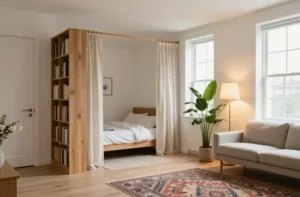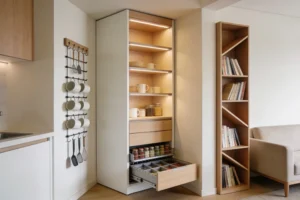
Japandi kitchens don’t shout. They whisper. They invite you in with soft light, honest materials, and a sense of calm that makes you want to actually enjoy cooking again. If you love Scandinavian brightness and Japanese wabi-sabi soul, this blend nails both: simple, sunlit, and quietly beautiful.
What Exactly Is a Japandi Kitchen?
Japandi mixes Scandinavian minimalism with Japanese wabi-sabi—a philosophy that values imperfection and authenticity. Think clean lines, tactile materials, and a layout that breathes. No clutter, no fuss, just things that earn their keep.
You’ll see pale woods, matte ceramics, and warm neutrals, with black or charcoal accents for structure. The vibe? Calm, functional, lived-in. Like your kitchen skipped the trend cycle and went straight to timeless.
Light First, Always: Designing the Glow
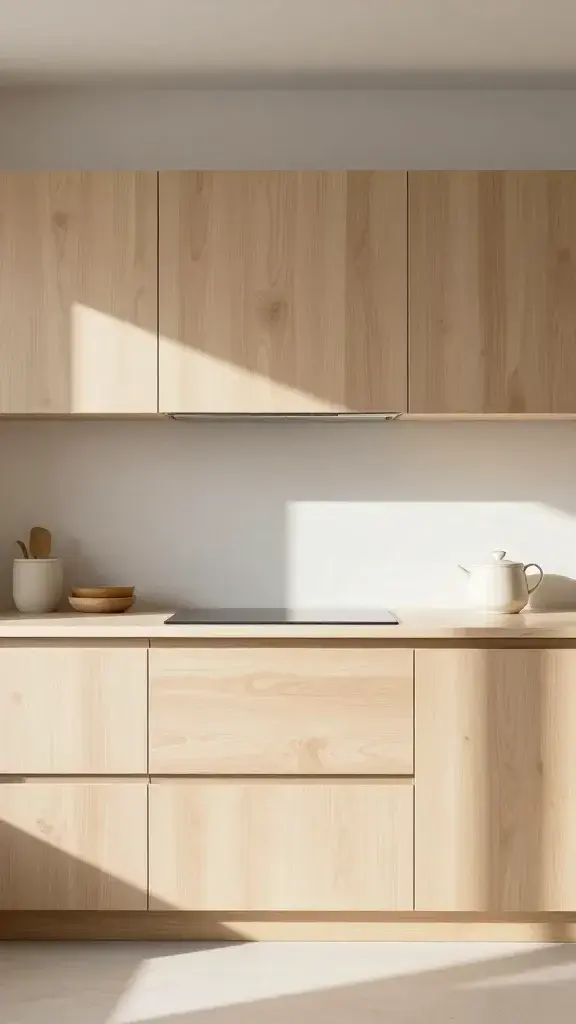
Scandi design worships light, and Japandi kitchens run with it. Maximize daylight before you even think about fixtures. Use window treatments sparingly—sheer linen or nothing at all if privacy allows. Your mornings will thank you.
Layered Lighting That Works (and Looks Good)
Aim for three layers:
- Ambient: Flush mounts or slim pendants with warm LEDs (2700–3000K) to set a cozy base.
- Task: Under-cabinet strips or spotlights over prep zones—no chopping in shadows.
- Accent: A single sculptural pendant or wall sconce to anchor the room.
FYI: Dimmers aren’t optional. They turn the kitchen from “get stuff done” to “pour wine and unwind” in one twist.
Materials: Honest, Tactile, and a Little Imperfect
Japandi thrives on materials that feel real. You don’t need everything pristine. In fact, a few scuffs tell a better story than shiny perfection.
Cabinetry and Surfaces
- Woods: Oak, ash, birch, or elm in natural or light stains. Vertical grain looks extra crisp.
- Countertops: Honed granite, soapstone, or matte quartz. Concrete works too if you like a soft industrial edge.
- Backsplashes: Zellige or hand-pressed tiles with organic variation. Keep grout lines thin and colors muted.
Hardware and Details
- Pulls: Finger grooves, integrated pulls, or slim black/brushed brass hardware.
- Faucets: Minimal, matte finishes—black or stainless. Keep the lines clean.
- Open shelves: Solid wood planks with visible grain. Display practical items, not dusty tchotchkes.
Imperfections—tiny glaze drips, hairline checks in wood—add wabi-sabi warmth. IMO, that’s where the magic lives.
Color Palette: Soft Neutrals with a Bold Whisper
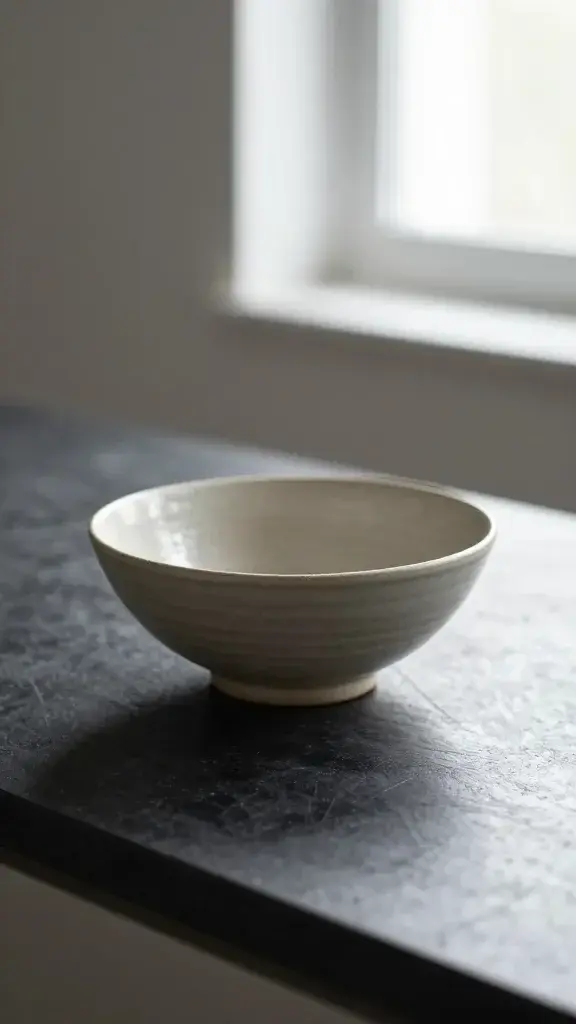
Start with a serene base:
- Walls: Warm white, putty, or pale greige.
- Cabinets: Natural wood or taupe. Deep forest or charcoal for lower cabinets if you want contrast.
- Accents: Black, in small doses—think lights, barstool frames, or tapware.
Add texture over color: linen runners, rough ceramics, a woven tray. One dark or saturated element can ground the room—a deep green cabinet bank, a basalt countertop, or slate tile. Use color like eyeliner: subtle, but it changes everything.
Layout and Flow: Minimal, But Not Soulless
You don’t need a lab. You need a kitchen that supports your rhythm. Prioritize flow over fancy.
The Functional Core
- Work triangle: Keep sink, cooktop, and fridge within easy reach. Nothing revolutionary—just effective.
- Zones: Prep near the sink, cook by the range, plate and serve on an island or peninsula.
- Storage: Deep drawers for pots, pullouts for pantry items, concealed bins for recycling/compost.
Open vs. Closed Storage
Strike a balance:
- Use open shelves for everyday items you love—bowls, mugs, a teapot.
- Hide the chaos—plastic containers, branded packaging—behind slab fronts.
- Decant pantry goods into glass or ceramic canisters. Your future self will applaud the calm.
If you can, include a slim utility cupboard or back pantry. Clutter can live there and think about what it’s done.
Styling the Japandi Way: Less Stuff, More Intention
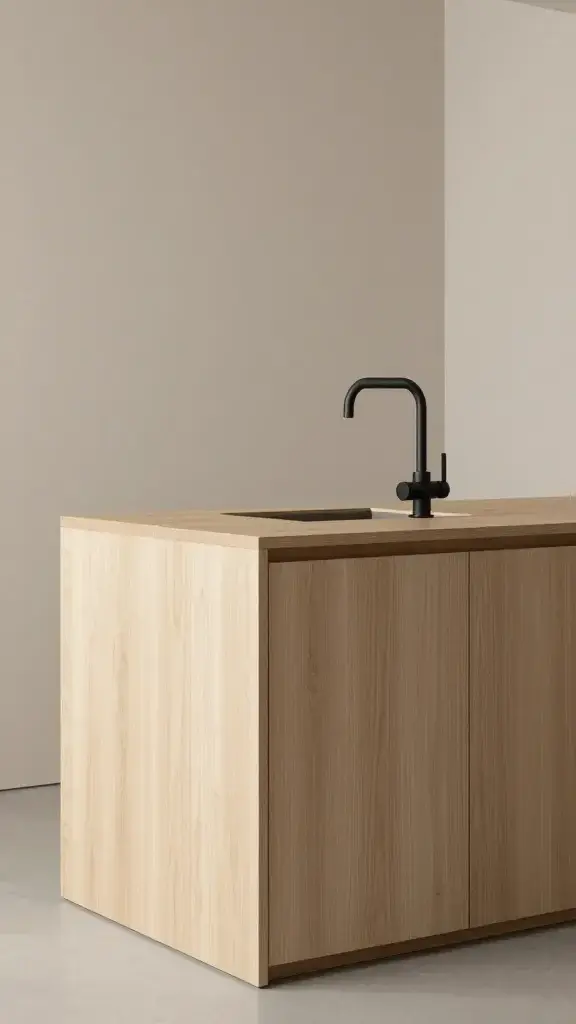
Curate, don’t decorate. When everything has a purpose, the whole room relaxes.
Everyday Objects as Decor
- Boards: Lean two or three wooden boards with different grains and edges.
- Textiles: A single linen towel in a muted stripe. Keep multiples tucked away.
- Greenery: A branch in a stoneware vase beats a busy bouquet. Seasonal, simple.
- Tea and coffee: Display a kettle, a dripper, or a cast-iron teapot. Functional art.
A quick rule: if it doesn’t help you cook, clean, or serve, question it. Exceptions allowed for one beautiful, slightly wonky bowl.
Appliances and Tech: Quietly Capable
Japandi kitchens prefer appliances that work hard and blend in.
- Panel-ready dishwashers and fridges keep the visual field calm.
- Induction cooktops offer sleek lines and precise heat—plus easy cleanup.
- Wall ovens save your back and look tidy.
- Ventilation: Go for a minimal hood or a ceiling-integrated unit. Noise kills the vibe.
FYI: You can still own a stand mixer. Just store it like a civilized human.
Sustainability, the Japandi Way
Both Scandinavian and Japanese design care about longevity. Buy less, choose better, and maintain it.
- Natural finishes: Hardwax oil or plant-based finishes that patina, not peel.
- Repair-friendly choices: Solid wood fronts can be sanded; modular cabinets can be reconfigured.
- Efficient fixtures: Induction, LED lighting, and water-saving taps reduce energy and drama.
- Local craft: Support small makers for stools, ceramics, or lighting. Soul included.
Because nothing says “calm kitchen” like not replacing everything in five years.
Common Mistakes to Avoid
- Over-styling: Ten matching jars don’t make a vibe. Intent does.
- Too much black: Use it as an accent, not a uniform.
- Cold lighting: Blue LEDs make food (and faces) look sad. Warmth only.
- Shiny everything: High gloss kills texture. Matte and honed finishes win here.
- Ignoring comfort: Add cushions to stools, a rug underfoot, or a bench nook. Cozy matters.
FAQ
Is Japandi just minimalism with plants?
Not quite. Minimalism often strips back to the point of sterility. Japandi adds warmth, texture, and humanity through natural materials, visible craftsmanship, and a little imperfection. Plants help, sure, but they’re not the whole story.
Can I do Japandi on a budget?
Yes. Focus on paint, lighting, and decluttering first. Swap hardware for slim black or brass, add a few matte ceramics, and bring in one good wood piece—a shelf, a cutting board, or a small stool. Keep what you have if it’s functional and neutral.
What colors should I avoid?
High-gloss primaries and icy whites. They fight the vibe. Stick to warm neutrals, soft greens, charcoal, and natural wood. If you crave color, choose earthy tones with depth.
Do I need open shelving?
No, but a little helps. One or two shelves can break up heavy cabinetry and display the pieces you love. Keep them practical and edited. If you hate dusting, go with glass-fronts or just skip it—no guilt.
How do I keep it from feeling bland?
Layer texture: linen, stone, ribbed glass, hand-thrown ceramics, and wood with grain. Add a single statement light or a sculptural faucet. And embrace small imperfections—wabi-sabi isn’t boring; it’s honest.
What flooring works best?
Light oak or ash planks look right at home. For tiles, choose slate, limestone, or terrazzo in muted tones. Keep grout tight and colors cohesive with your cabinets and counters.
Conclusion
A Japandi kitchen doesn’t chase trends; it builds a life. You get Scandinavian light, Japanese soul, and a daily dose of calm every time you step in. Keep it simple, choose materials that age gracefully, and let the room breathe. The result? A kitchen that feels like a quiet exhale—every single day. IMO, that’s the good stuff.