
You want a clean home that doesn’t smell like a chemical factory, and you want your shelves to look cute while you do it. Totally doable. You can mix up effective natural cleaners in minutes with ingredients you already know how to pronounce. Then you can store them in bottles and jars that actually make you happy to open a cabinet. Ready to make cleaning less toxic and more aesthetic?
Why DIY Cleaners Are Worth It
You control the ingredients, so you skip the mystery “fragrance” cocktail. Your wallet also takes a nice, calm breath—natural cleaners typically cost pennies per ounce. And the smell? Fresh, light, not “I’ve been trapped in a lemon-scent vortex” strong.
Plus, IMO, there’s something weirdly satisfying about cleaning with stuff you mixed yourself. Like a tiny science experiment that ends with sparkling countertops.
The Core Ingredients You’ll Use on Repeat
You don’t need a chem lab. Start with a small, reliable lineup. These work hard, play well together (with some exceptions), and last a long time.
- White distilled vinegar: Cuts grease, dissolves mineral deposits, deodorizes. Avoid on stone like marble and granite—acid can etch.
- Baking soda: Gentle abrasive, deodorizer, mild alkali. Great for scrubs and sink refreshes.
- Castile soap: Plant-based liquid soap that lifts dirt without harsh residues.
- Washing soda (sodium carbonate): Stronger alkali than baking soda—great for laundry boosters and heavy-duty degreasing.
- Hydrogen peroxide (3%): Disinfecting power without bleach smell. Store in opaque containers.
- Rubbing alcohol (70%+): Evaporates fast—awesome for glass and stainless.
- Essential oils (optional): Tea tree, lemon, lavender, eucalyptus. Adds scent; some offer mild antimicrobial benefits.
Important “Don’t Mix That” Notes
- Vinegar + castile soap = sad, curdled mess. Use water with castile; use vinegar separately.
- Vinegar or acids + hydrogen peroxide: They can create peracetic acid—irritating and not fun. Keep them in separate steps/containers.
- Bleach + anything here: Skip bleach entirely with DIY naturals. No chaotic chemistry, please.
Five Go-To Recipes That Actually Work
Short, simple, and no flaky measurements. Shake before each use because natural stuff can separate. Label with the date. FYI, small batches stay fresher.
1) All-Purpose Spray (Not for stone)
- 1 cup distilled water
- 1 cup white vinegar
- 10–20 drops essential oil (lemon + lavender = chef’s kiss)
Add to a spray bottle, shake, spray, wipe. Works on counters, sinks, trash cans, inside the fridge, etc. Avoid marble/granite/natural stone.
2) Stone-Safe Surface Cleaner
- 2 cups distilled water
- 1 tablespoon castile soap
- 10 drops sweet orange or peppermint essential oil (optional)
Gently lifts grime without etching. Spray and wipe with a soft cloth. Rinse cloth if residue builds.
3) Glass and Mirror Magic
- 1 cup distilled water
- 1 cup rubbing alcohol (70%)
- 1 tablespoon white vinegar
- 5 drops lemon essential oil (optional)
Streak-free shine. Spray sparingly and buff with a lint-free cloth or newspaper if you like vintage vibes.
4) Soft Scrub for Sinks and Tubs
- 1/2 cup baking soda
- 2–3 tablespoons castile soap (add until it forms a paste)
- 5 drops tea tree or eucalyptus oil (optional)
Spread, scrub, rinse. For tougher grime, spritz vinegar after scrubbing for a foamy finish (don’t mix them in the bottle).
5) Disinfecting Boost (Spot Treatment)
- Hydrogen peroxide (3%) in its original dark bottle or an opaque sprayer
Spray on high-touch areas after cleaning. Let sit 5–10 minutes, then wipe. Use on cutting boards (non-stone counters) and doorknobs.
How to Store Your Cleaners Beautifully
Your bottles can spark joy, Marie Kondo style, without costing a fortune. Function first, then the pretty details.
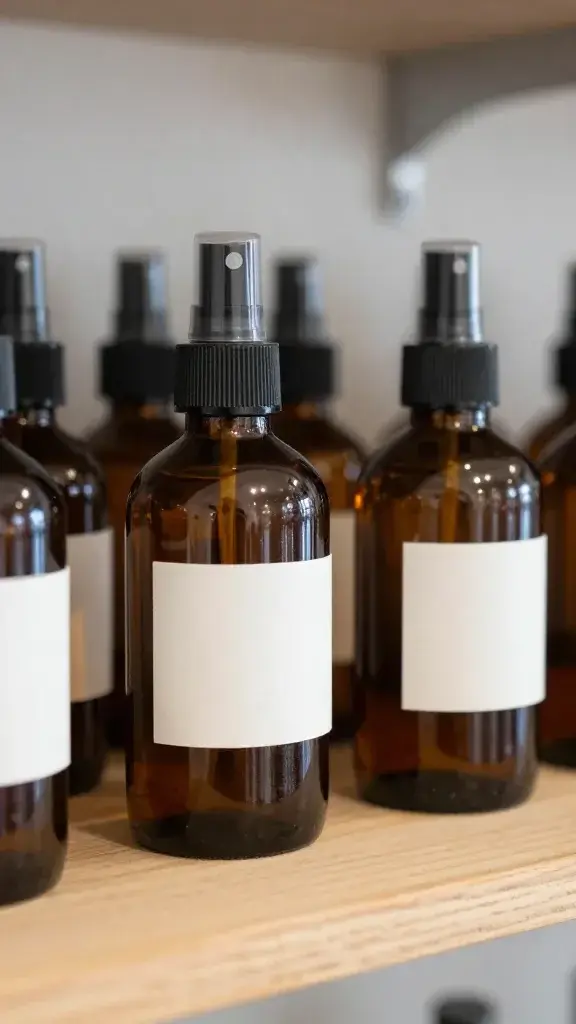
- Amber or cobalt glass bottles: They protect light-sensitive ingredients and look chic. Choose trigger sprayers that feel sturdy.
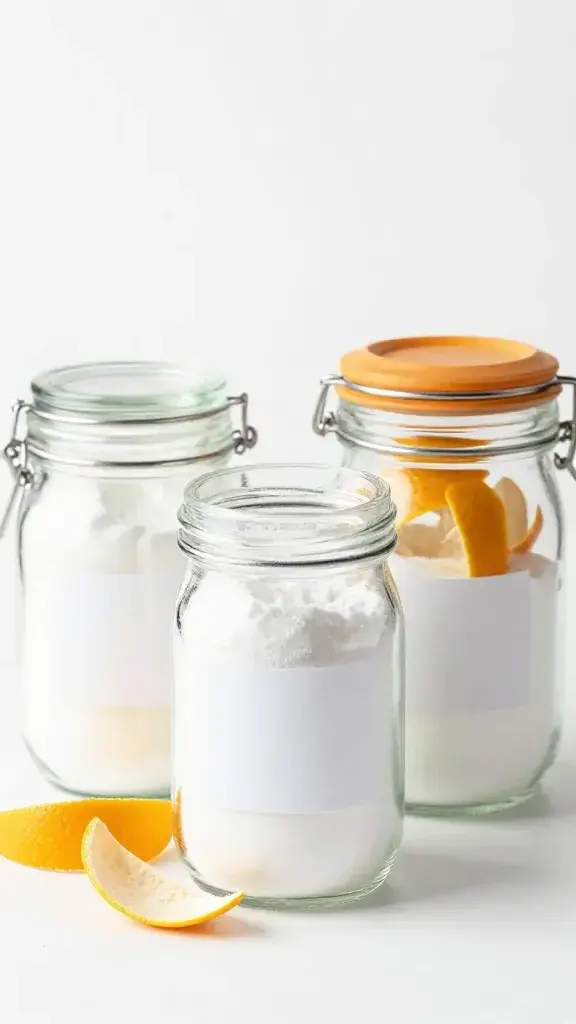
- Clear glass jars: Perfect for scrubs and powders. Add wooden or bamboo scoops for an artisan touch.
- Reusable labels: Use waterproof labels or paint pens. Always list the name, ingredients, and date mixed.
- Trays and baskets: Corrals bottles so your cabinet looks styled, not chaotic. Rattan or wire both work.
- Uniform color palette: Pick two tones (e.g., amber + matte black) so everything looks intentional, not random.
What to Keep Out of Sight (For Safety and Sanity)
- Hydrogen peroxide: Store in opaque containers away from heat and sun.
- Essential oils: Keep caps tight and store upright, ideally in a wooden organizer.
- Refill concentrates: Label clearly and stash up high if kids or pets roam.
Labeling That Doesn’t Peel Off in a Week
Smudged labels ruin the vibe. Let’s fix that.
- Waterproof label paper: Print simple black text. Clean, minimal, readable.
- Oil-based paint pens: Write directly on glass. Let dry fully, then cure 24 hours.
- QR code trick (nerdy but cool): Link to your recipe and print a tiny QR sticker. No more “Wait, how much vinegar?” moments.
Design Tips So Your Shelf Looks Pinterest-Ready
- Group by height and function: sprays together, jars together.
- Use the same sprayer tops for a uniform look.
- Add a small plant or a ceramic dish for scoops. Instant upgrade.
Smart Shelf Life and Safety Basics
Natural doesn’t mean eternal. Make small batches and keep noses and eyes alert.
- Vinegar and alcohol cleaners: 6–12 months if sealed tightly.
- Castile soap mixes: 1–2 months; they can go cloudy—remix fresh if funky.
- Hydrogen peroxide: Use within 1–3 months after opening for best potency; always in opaque bottles.
- Essential oils: Patch-test surfaces. Citrus oils can affect finishes—dilute well.
- Keep away from kids and pets: Pretty doesn’t mean drinkable.
Cleaning Cloths and Tools That Match the Vibe
- Unbleached cotton or waffle weave towels: Absorbent and cute rolled in a basket.
- Glass-safe squeegee: Hang on a hook next to your mirror for streak-free routines.
- Wood-handled brushes: They work and they look good standing in a stone cup. IMO, joy matters.
Routine That Keeps It Easy
No one has time for 3-hour cleaning marathons every day. Micro-habits win.
- Daily: Quick counter wipe with your all-purpose or stone-safe spray; squeegee shower glass.
- Weekly: Soft scrub for sinks and tubs; glass cleaner everywhere fingerprints multiply.
- Monthly: Deep degrease kitchen fronts with washing-soda solution; refresh labels and check dates.
FAQ
Can I use vinegar on granite or marble?
Nope. Acids can etch natural stone and ruin the finish. Use the stone-safe castile soap cleaner instead and dry the surface after wiping.
Do essential oils actually disinfect?
Some offer mild antimicrobial properties, but they don’t replace proper disinfectants. Use them for scent and a small boost. For legit disinfection, clean first, then use hydrogen peroxide and allow dwell time.
Why did my castile soap cleaner separate?
Natural formulas don’t have heavy-duty emulsifiers. Shake before each use. If it looks cloudy or smells off, dump and remix a small fresh batch.
What’s the difference between baking soda and washing soda?
They’re related but not twins. Washing soda is more alkaline and stronger for tackling greasy, stubborn messes and laundry. Don’t confuse them in recipes; they behave differently.
Can I add vinegar to my castile soap cleaner for extra power?
Skip it. Vinegar and castile react and make a gummy mess that cleans worse. Use vinegar in a separate product or as a rinse step.
How do I get streak-free glass without ammonia?
Use the water + rubbing alcohol + a splash of vinegar mix and buff with a lint-free cloth. Work quickly and in shade—direct sun bakes in streaks.
Conclusion
DIY cleaning doesn’t need to look crunchy or smell like a salad. With a few powerhouse ingredients and pretty, practical storage, you can clean better, spend less, and actually enjoy the shelf you reach for. Mix small, label smart, and keep your bottles beautiful. Your home—and your eyeballs—will thank you.