You don’t need a chandelier the size of a compact car to make your bedroom feel dreamy. The right small-scale lighting can flip the mood from “meh” to “I live in a boutique hotel” in five minutes flat. We’re talking glow, not glare; warmth, not wattage wars. Ready to turn your bedroom into a cozy sanctuary without blocking the view with giant lamp shades?
Why Small-Scale Lighting Wins in a Bedroom
Small fixtures keep your room feeling calm and uncluttered. You get warmth and ambiance without the bulky footprint of oversized lamps. Plus, small pieces hide bad cords easier, sit on tiny nightstands, and layer like a pro.
You can also mix several little sources to control mood: bright for laundry, soft for winding down. That flexibility? It’s the magic trick everyone forgets.
Bedside Lamps That Actually Fit on a Nightstand
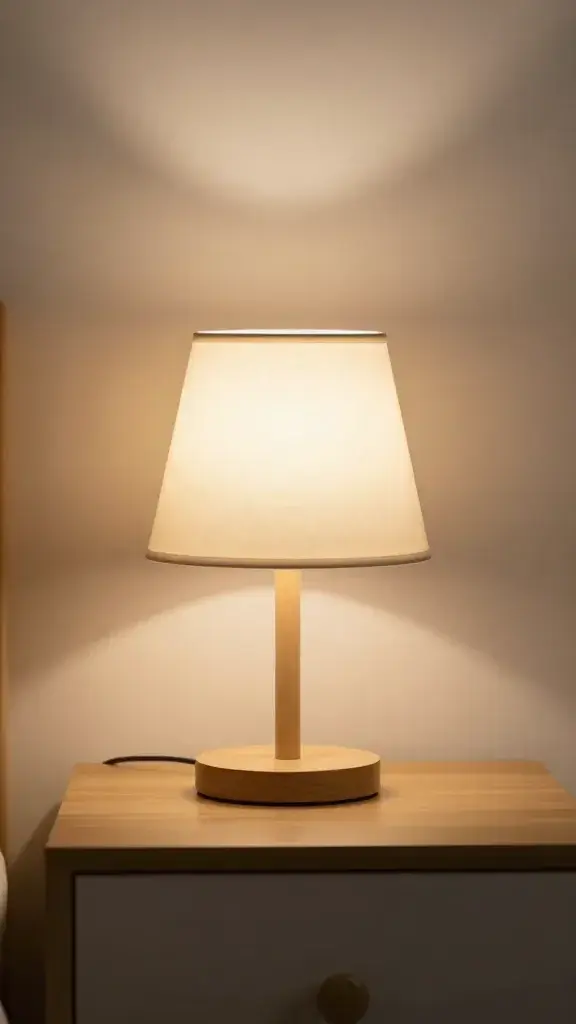
You don’t need huge ceramic urns pretending to be lamps. Choose compact bases and low-profile shades that leave room for your book, a glass of water, and your phone (which you’ll totally put on Do Not Disturb… right?).
What to look for:
- Height: 14–20 inches. Keeps the bulb out of your eyes while you read.
- Shade: Fabric or frosted glass for a warm glow, not interrogation vibes.
- Base: Slim metal or small wood base to save surface area.
- Switch: Touch or inline dimmer so you don’t go spelunking for a tiny knob at midnight.
Editor’s Picks (IMO)
- Mushroom lamps with frosted domes: small footprint, instant cozy, very on-trend.
- Mini banker-style lamps: a vintage nod that still feels cute and compact.
- Clip-on lamps for headboards: perfect for teeny nightstands or no nightstand at all.
Wall Sconces: Zero Footprint, Maximum Vibes
Wall sconces save space, look intentional, and keep cords off your surfaces. If you rent, go for plug-in sconces with a cord cover. No electrician, no drama.
Best types for cozy bedrooms:
- Swiveling arm sconces: great for reading; aim light where you need it.
- Shaded sconces: fabric shades make soft, flattering light.
- Glass globe sconces: diffuse evenly and look tidy.
Installation Tips (No Drywall Tears, Please)
- Mount just above shoulder height when seated in bed (around 48–54 inches from the floor).
- Center the sconce 6–12 inches from the edge of your headboard.
- Use cord channels or fabric cord covers for a clean look.
Portable Lamps and Lanterns: Cozy on Command
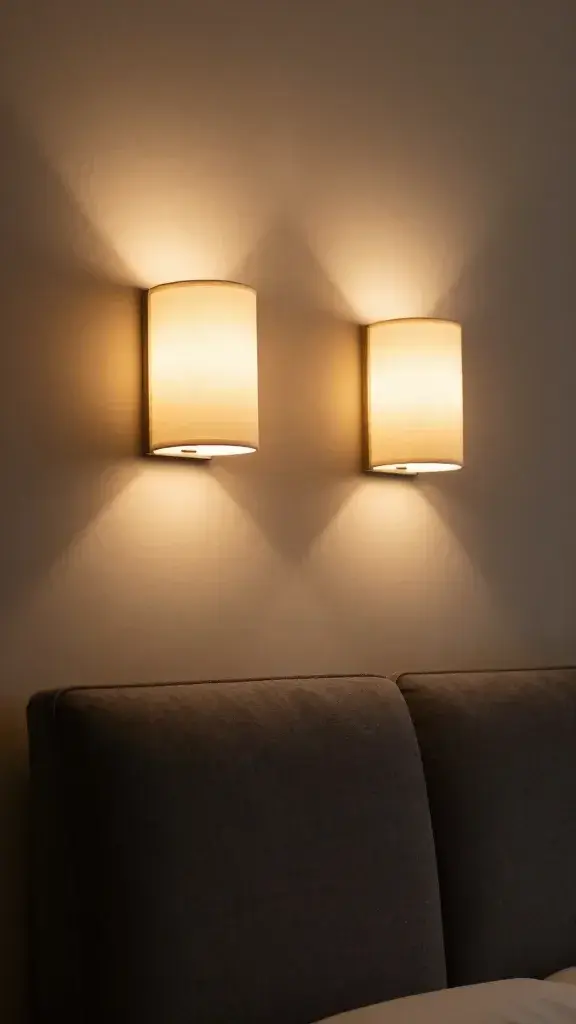
Rechargeable lamps changed the game. You can move them from dresser to windowsill to nightstand with zero outlets or extension cords involved. They shine softly and charge via USB-C like your phone. Neat.
Where they shine (pun intended):
- Window glow for rainy-day ambience.
- Closet corners that your ceiling light ignores.
- Nightlight duty without blue-light assault.
Features Worth Paying For
- Three-step dimming or a stepless touch slider.
- Warm color temps (2700K–3000K) to keep your melatonin happy.
- 8–20 hours of battery life so you don’t live on a charger.
String Lights and LED Strips (Yes, They Can Look Grown-Up)
String lights don’t have to scream “dorm room.” Choose warm white, small bulbs, and keep it simple. Hide them behind a headboard or along a shelf for a soft glow that whispers, not shouts.
How to elevate the look:
- Stick LED strips under the bed frame for a floating effect.
- Run lights behind curtains for a diffused, hotel-y wash.
- Use timer plugs so they turn on right before bed. Lazy? Efficient? Both.
Pro Tip: Diffusion Is Everything
If the strip looks harsh, add a diffuser channel or stick it behind a lip or molding. Your eyes will thank you.
Ceiling Fixtures That Don’t Overwhelm
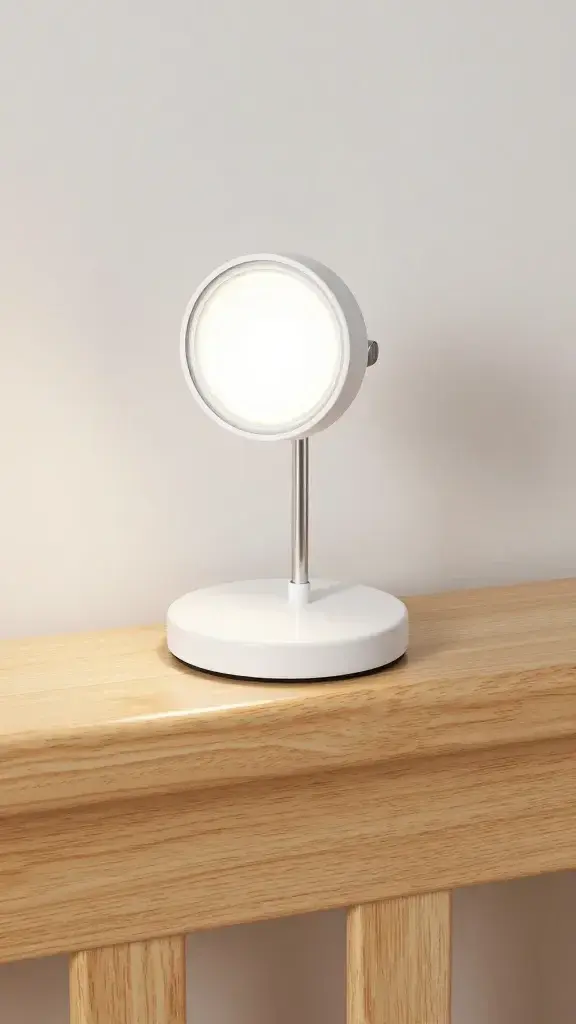
You still need a general light source, but you don’t need a UFO hovering over your bed. Choose small flush mounts or semi-flush fixtures with frosted diffusers. Keep it simple and let your bedside lights do the heavy lifting.
Good choices:
- Drum flush mounts with fabric shades for warm spread.
- Opal glass domes that keep glare down.
- Petite pendants off-center over a chair or dresser for a design moment.
Keep It Warm and Dim
Pair your ceiling light with a dimmer and a warm bulb (2700K). Brightness for cleaning, softness for chilling. Easy win.
Bulbs and Dimmers: The Secret Sauce
You can buy beautiful fixtures, but the wrong bulb ruins everything. FYI, color temperature and brightness matter more than brand names here.
Pick the right bulb:
- Color temperature: 2200K–2700K for ultra cozy, 3000K for a crisp-but-warm vibe.
- Brightness: 450–800 lumens for bedside; 800–1200 lumens for overhead (with dimmer).
- CRI 90+: Colors look natural, skin looks great. Worth it.
- Smart bulbs for scenes and schedules if you like tech that behaves.
Dimmers Make Everything Better (IMO)
Add inline cord dimmers to table lamps, plug-in dimmers to sconces, and wall dimmers to ceiling lights. Suddenly your room has range—movie night, reading, rom-com tears—handled.
Layering Light Like a Designer
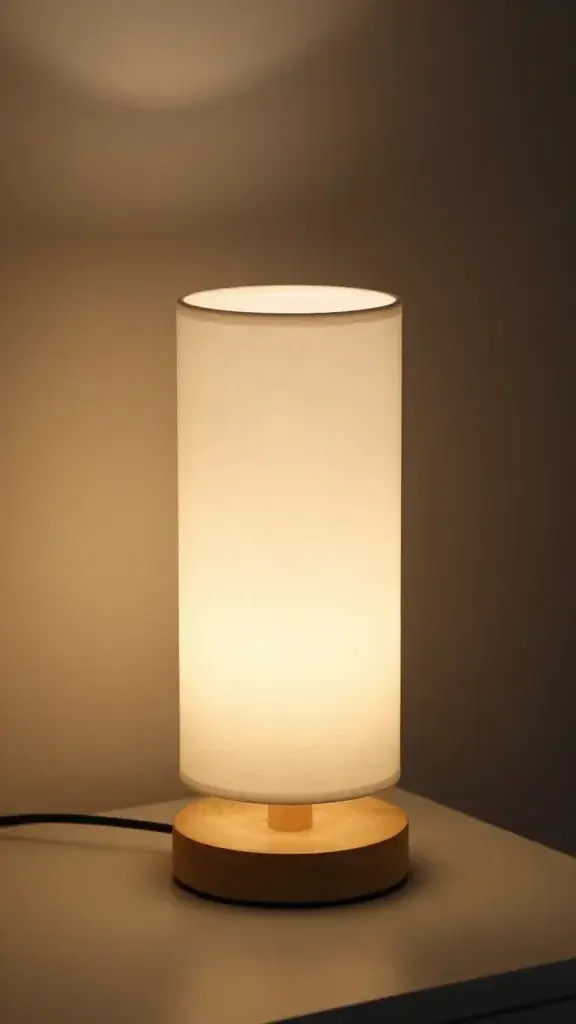
Cozy rooms use layers, not a single blast of light from above. Build a small, mighty team of fixtures that play well together.
Try this simple setup:
- Overhead flush mount on a dimmer for general light.
- Two bedside lights (lamps or sconces) for task and evening glow.
- One accent (portable lamp, strip under the bed, or picture light) for mood.
Balance your light sources at different heights—ceiling, eye level, and low—so your room feels layered and intentional. No harsh shadows, no cave corners.
Common Mistakes to Avoid
- Bulbs too cool (4000K+). Save that for offices and interrogation scenes.
- Shades too narrow that cause “hot spots” and glare.
- One light source only. It flattens the room and kills the vibe.
- Ignoring dimmers. They’re cheap and wildly effective.
- Cord chaos. Use clips, channels, or fabric sleeves to tidy up.
FAQ
What color temperature makes a bedroom feel coziest?
Aim for 2200K–2700K. That range gives you candle-like warmth without going orange. If you want a slightly brighter feel during the day, try 3000K for overhead and keep bedside lights warmer.
How bright should my bedside lamp be?
For reading, 450–800 lumens works well. Use a shade or frosted diffuser to soften the light, and add a dimmer so you can dial it down before sleep. Your eyes and your brain will both relax faster.
Do I need a ceiling light if I have multiple lamps?
You don’t need one, but it helps. Overhead light makes cleaning and outfit checks easier. Put it on a dimmer and rely on your lamps for evening ambiance.
Are smart bulbs worth it for a bedroom?
If you like voice control, scenes, or scheduled wind-down lighting, yes. Set a “bedtime” scene at 20–30% brightness and warm color, and let it kick in automatically. Low effort, high reward.
Can string lights look sophisticated, or will my room scream dorm?
They can look chic if you pick small warm bulbs, hide the cords, and keep the layout simple. Think: along a shelf edge, behind curtains, or tucked into a headboard—not zigzagged across every wall like a holiday display.
What’s the best way to hide cords with plug-in sconces?
Use paintable cord channels, fabric cord covers, or route the cord straight down behind the nightstand. Keep the line vertical and minimal. It reads intentional, not messy.
Conclusion
Small-scale lighting doesn’t play second fiddle—it runs the show with subtlety. Layer a few compact pieces, keep your bulbs warm, and add dimmers everywhere you can. With the right mix, your bedroom shifts from bright and busy to soft and snug at the tap of a finger. Cozy earned.