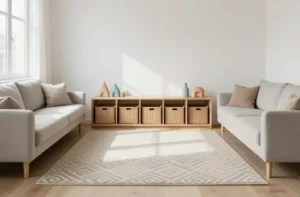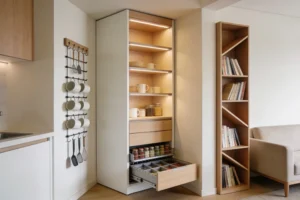
You don’t need a walk-in closet or a Pinterest-perfect pantry to feel organized. You just need a rule that keeps your stuff from multiplying like gremlins after midnight. Enter the One-In, One-Out rule: every time something new comes in, something old goes out. Simple? Yes. Brutal? Sometimes. Effective? Ridiculously.
What Exactly Is the One-In, One-Out Rule?
You bring home a new hoodie? One old hoodie leaves your closet. You snag a fancy spatula? One of your 14 sad spatulas retires. The rule keeps quantity steady, so your small space never overloads.
The magic lies in boundaries. Most spaces don’t feel messy because of bad people; they feel messy because they have no limits. One-In, One-Out slaps down a clear limit and makes you stick to it.
Why This Works (Even If You Hate Decluttering)
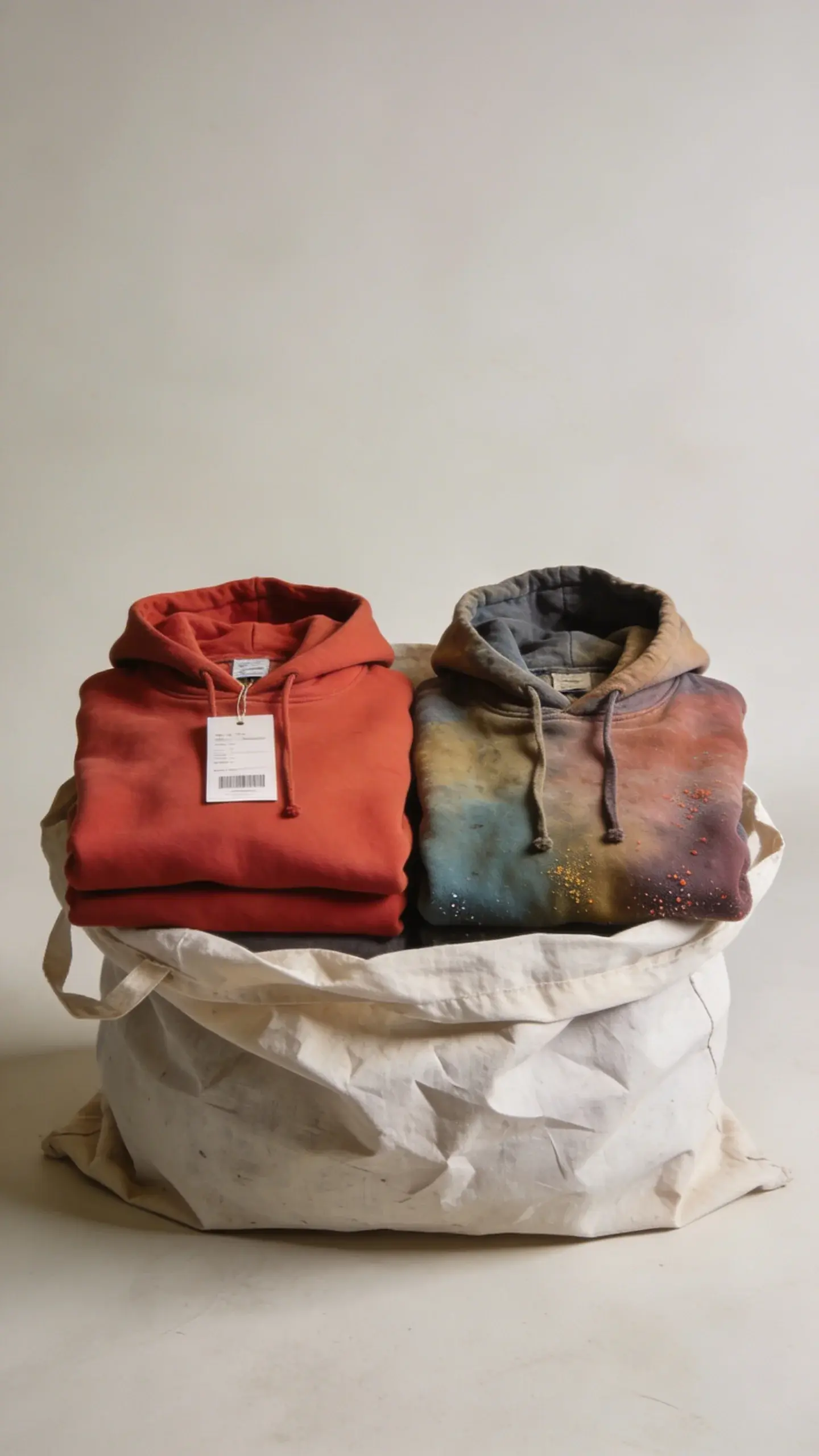
You don’t need a decluttering marathon. You need a decluttering habit. And this rule turns every purchase into a moment of honesty.
- It forces mindful buying. If a new pair of shoes means an old pair goes, you think twice before impulse-buying neon loafers.
- It prevents storage creep. No more “I’ll just buy another bin.” Your space stays the same size. Your stuff adjusts.
- It makes decluttering painless. You do micro-edits every time you add something. No 12-hour cleanouts. No tears. Less dust.
The Brain Hack Behind It
Your brain hates losing things. But pairing gain with release flips the script. You still get the dopamine hit of something new, while your space breathes. IMO, it’s the rare system that respects both your inner magpie and your inner minimalist.
Start Here: Pick Your Problem Zones
You don’t need to overhaul your life by 5 p.m. Start with two or three categories that overflow the fastest.
- Clothes: T-shirts, socks, workout gear, underwear.
- Kitchen: water bottles, mugs, spatulas, food storage containers (the lids are plotting against you, FYI).
- Bath + Beauty: skincare, hair products, makeup brushes.
- Paper + Office: notebooks, pens, cables, chargers.
- Hobbies: books, games, craft supplies, tools.
Choose one zone and commit to the rule for a week. Then add another. Stack the wins.
Set the Boundary in Plain Sight
Your space should tell you when it’s full. Use:
- One drawer for T-shirts. If a new tee comes in, the tightest or rattiest one goes.
- One shelf for mugs. Yes, you can love coffee without 12 novelty cups.
- One bin for cables. If it overflows, you purge duplicates and mystery wires from 2011.
Physical limits make decisions automatic. If it doesn’t fit, something leaves. No debates. No court of appeals.
How to Choose What Goes Out (Without Spiraling)
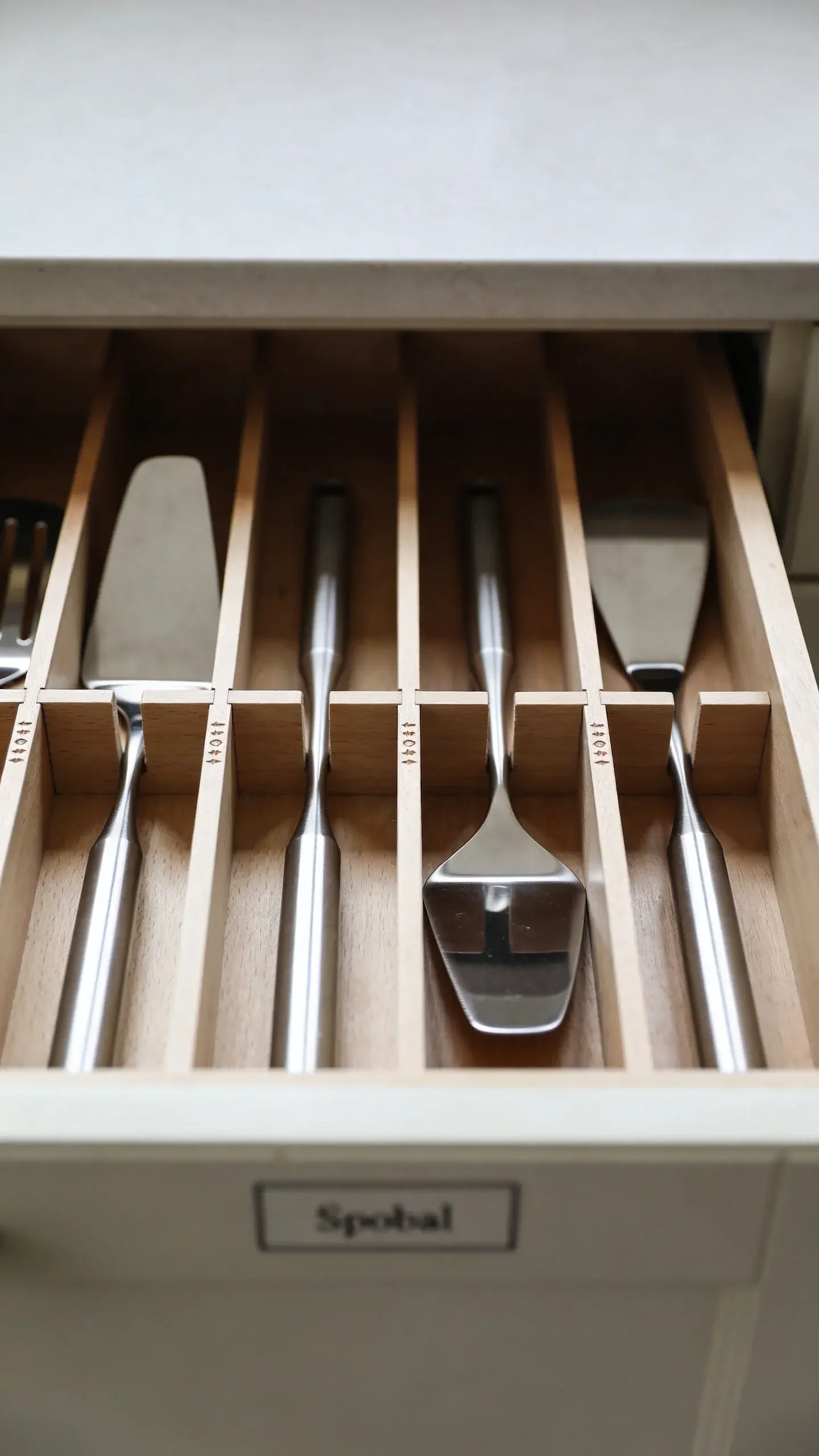
Decision fatigue kills decluttering. So simplify the choice.
- Find the worst-in-category item. The most worn, least useful, least favorite. Easy win.
- Nudge out the duplicate. Two nearly identical black tees? Keep the better fit.
- Use a time test. If you haven’t used it in 6–12 months and it’s not seasonal or sentimental, it’s a goner.
- Enforce the container rule. If your drawer, basket, or shelf is full, you remove until the new thing fits comfortably.
But What If Everything Sparks Joy?
I get it. Some days, everything feels essential. When that happens:
- Delay the purchase for 48 hours. If you still want it, reevaluate what to release.
- Create a “probation box.” Put contenders for exit in a sealed bin with a date. If you don’t grab anything in 30–60 days, donate the whole box.
- Upgrade with intention. When you bring in a higher-quality item, let it replace two or three lower-quality ones. Big win, less clutter.
Make the Rule Automatic (So You Don’t Rely on Willpower)
Your space stays tidy when the rule becomes routine. Build tiny systems around it.
- Keep a donation bag visible. Closet floor, laundry room, entryway. Drop items in the moment you decide.
- Adopt the receipt ritual. When you cut tags or unbox something, choose the outgoing item that same minute.
- Set calendar nudges. Weekly 10-minute review: check one zone and clear the donation bag if full.
- Use a one-shelf quarantine. New items sit here until you choose what leaves. No choice? No shelf space? No keep.
For Roommates, Partners, and Kids
Please don’t toss other people’s stuff. It breeds drama. Instead:
- Model the rule with your own things first.
- Create shared limits for common spaces: one basket for blankets, one shelf for board games.
- Use trade tokens with kids: bring a toy home, choose a toy to give a new home. Keep it positive and simple.
Real-Life Scenarios (Because Theory Is Cute, But)
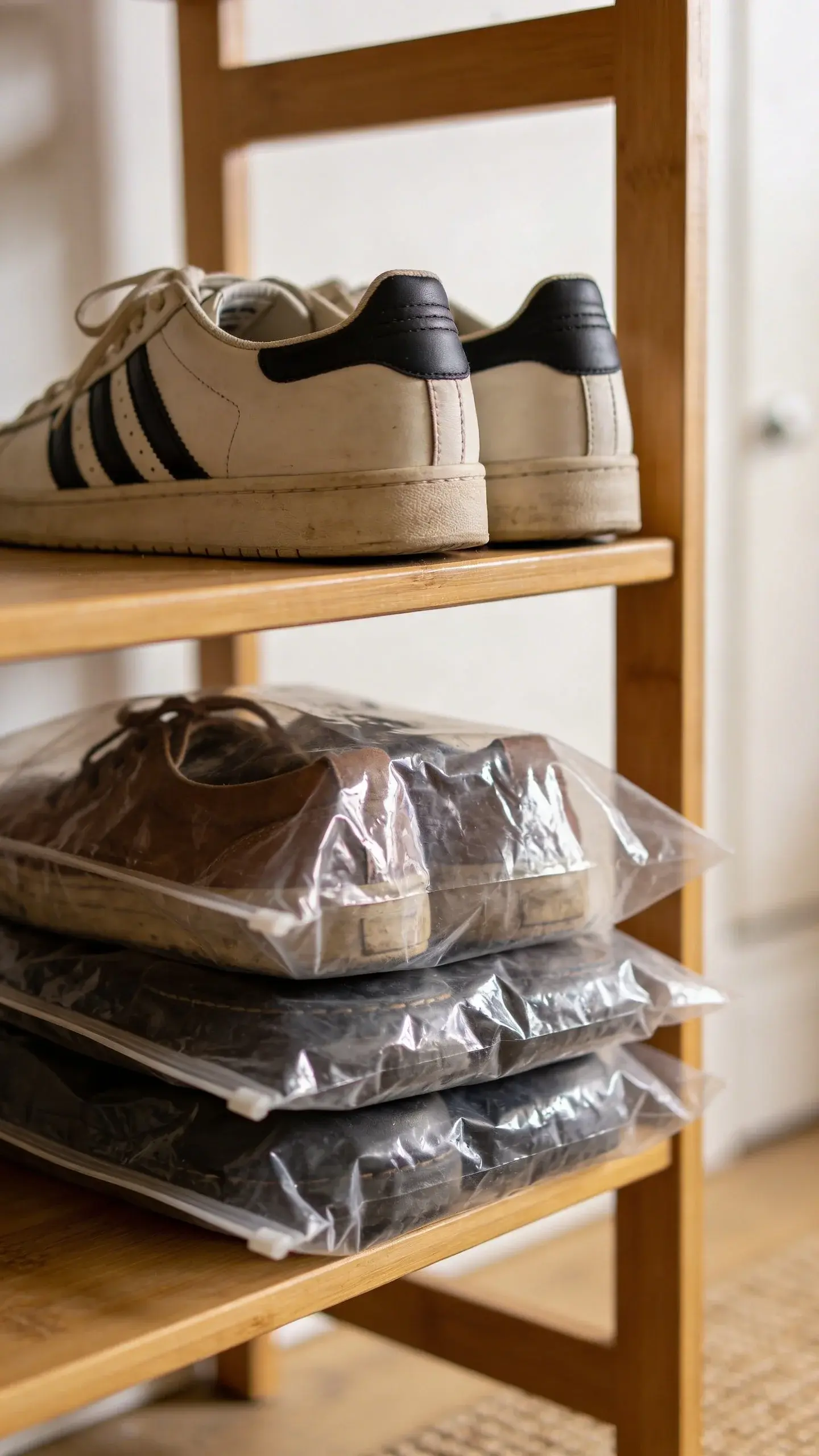
Closet Overload
You buy a new pair of jeans. You try on every other pair. You keep the two you love, you donate the pair with the weird rise, and you recycle the pair that’s one squat away from disaster. Result: better jeans drawer, zero extra bulk.
The Mug Situation
You bring home a great mug from a trip. You cut the corporate swag mug and the chipped one. You keep the ones you actually reach for every morning. Your shelf looks curated, not chaotic.
Tech Drawer Tango
New headphones? Out goes the old pair and two random charging cables you haven’t used since the Blackberry Era. You label the remaining cables (tape + marker, nothing fancy). Suddenly, finding a charger doesn’t feel like an archaeological dig.
Common Pitfalls (And How to Dodge Them)
- “I’ll find space later.” That’s future-you’s problem. Future-you is tired. Commit to out-before-in or in-and-out-simultaneously.
- “But it was expensive.” Sunk cost alert. If you don’t use it, the cost already happened. Let it go and reclaim space.
- “I might need it someday.” Keep a reasonable backup, not a museum of maybes. If “someday” never arrives, your space paid rent for nothing.
- “Gifts don’t count.” Oh, they count. Appreciate the sentiment, keep what you love, release the rest to someone who’ll use it.
Customize the Rule for Tiny Spaces
In small apartments or dorms, go slightly stricter: consider One-In, Two-Out for overflow zones like clothes and kitchen gadgets. The extra release creates breathing room fast.
Micro-Rules That Help
- Pantry: One snack in, one stale snack out. Rotate weekly.
- Bathroom: Open one product per category at a time. New lotion means the old one gets used up or donated.
- Entryway: One hook per person, one tray for keys, one bowl for sunglasses. If it doesn’t fit, it doesn’t live there.
Where to Send the Outgoing Stuff
You’ll stick to the rule if letting go feels easy and ethical.
- Donation: Local shelters, community centers, Buy Nothing groups.
- Resale: Consignment, Facebook Marketplace, apps for specialty items.
- Recycling: Textiles, electronics, books—check city programs.
- Gifting: Offer to friends thoughtfully. Ask first, no guilt trips.
Make It Frictionless
Keep boxes labeled “Donate,” “Sell,” and “Recycle.” When a box fills, move it out within a week. Put a reminder on your phone. Tiny follow-throughs add up.
FAQ
Do I have to toss something every time I buy a pack of socks?
Match category to category. New socks mean out with old socks. If you bought a 6-pack, release the six worst pairs or as many as your drawer needs to fit comfortably. The goal isn’t punishment; it’s balance.
What about sentimental items?
Give them their own small container with a firm limit. When it fills, choose what truly matters. Take photos of items you want to remember but don’t need to store. Memories live fine without dust.
Is One-In, One-Out too strict?
Not if you adjust by category. Go looser for consumables (snacks, soap) and stricter for problem zones (clothes, mugs). If your space still feels cramped, try One-In, Two-Out temporarily. IMO, flexibility keeps the rule sustainable.
How do I handle gifts without hurting feelings?
Say thank you graciously, then make a call privately. Keep what you’ll use, rehome the rest. Your space should serve your life, not social anxiety. FYI, most gift-givers care more about your happiness than your storage strategy.
What if I’m decluttering already—do I still need this rule?
Yes, because it locks in your progress. Decluttering clears the backlog; One-In, One-Out prevents reruns. Think of it as installing a filter at the door.
Can I bank outs for later?
You can, but don’t let “I’ll do it later” become Neverland. If you pre-declutter a few items, note it on your phone. Just keep the accounting simple or you’ll game the system (ask me how I know).
Conclusion
Small spaces stay calm when you set firm boundaries and keep them. One-In, One-Out turns every purchase into a quick check-in: do I love this enough to let something else go? Keep it light, keep it honest, and keep a donation bag handy. Your home will feel fresher, your drawers will slide shut, and you’ll spend weekends doing anything but wrestling with clutter. Win-win.