Your floors are doing the heavy lifting while your walls just…hang out. Let’s fix that. Vertical storage turns dead air into prime real estate and makes tiny rooms feel smart instead of cramped. Give me a wall, a door, or a corner, and I’ll give you back your floor. Ready to stack, hang, and slide your way to double the space?
Go Up, Not Out: The Mindset Shift
You don’t need a bigger home. You need taller storage. When you shop or rearrange, ask: “Where can this live above knee height?” That one question changes everything.
Rule of thumb: keep daily-use stuff between waist and eye level, stash heavy or seasonal items higher, and leave the bottom for bulky bins or rolling carts. You’ll move faster and avoid the dreaded top-shelf avalanche.
Entryway Tetris: Hooks, Rails, and Slim Shelves
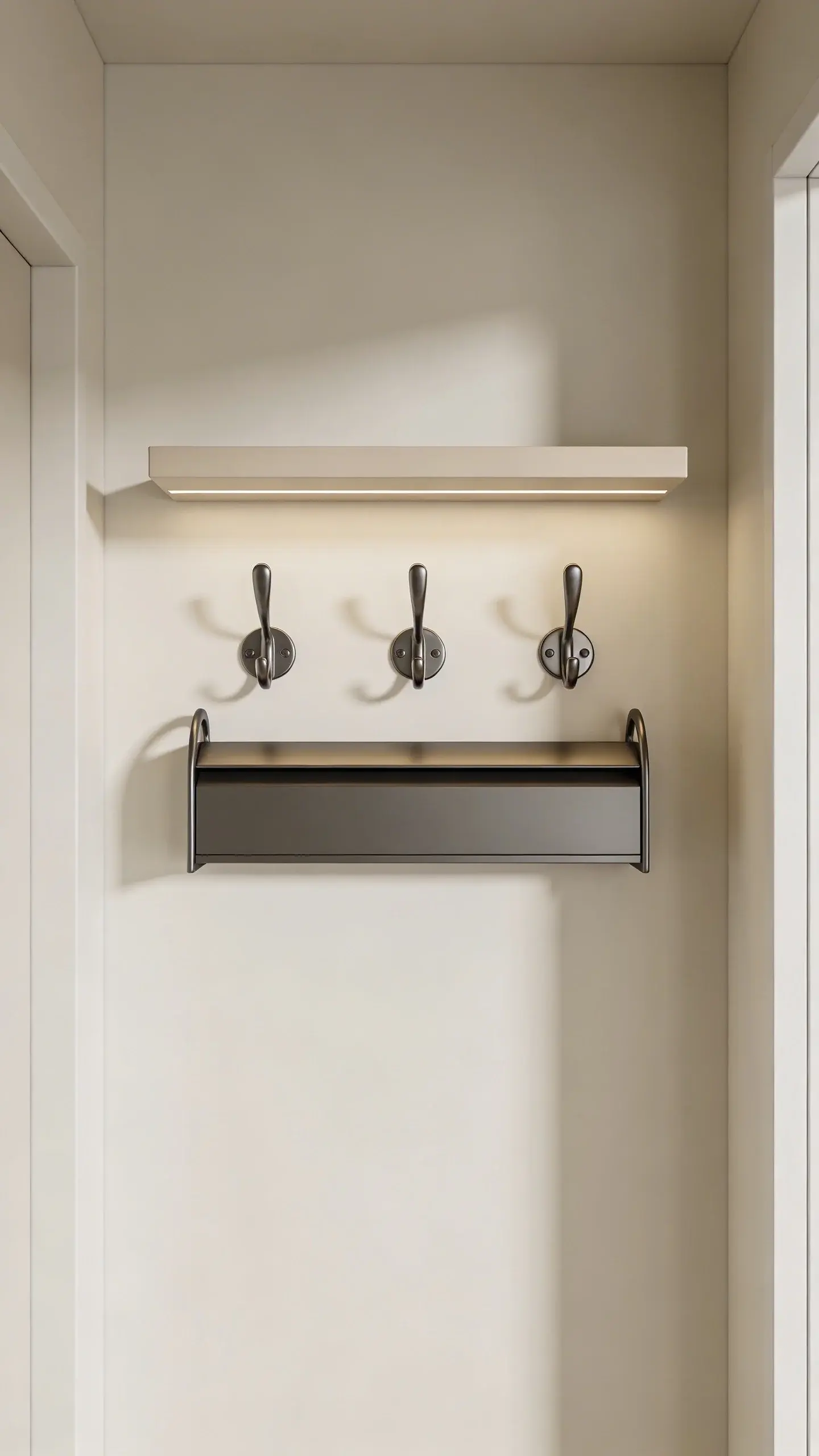
Your entry probably hosts a mountain of shoes and mystery mail. Turn that chaos vertical with a simple 3-layer setup:
- Top: a narrow shelf with baskets for hats, scarves, and dog-walk gear.
- Middle: a row (or two) of sturdy hooks for coats and bags. Stagger them to double capacity.
- Bottom: a super-slim shoe cabinet or wall-mounted rack.
Micro-hack: Command Central
Mount a small rail with clipboards or wall files for incoming mail, keys, and sunglasses. Label them if you’re feeling extra. No more “Where are my keys?” at 7:58 a.m.
Kitchen Walls That Actually Work
Most kitchens hide storage potential right in front of your face. Use your walls, cabinets, and even the side of your fridge.
- Magnetic knife strip: clears a whole drawer and looks pro. Add a second strip for metal spice tins.
- Rail system above the counter: hang utensils, measuring cups, a small herb planter, and a paper towel holder.
- Inside-cabinet door racks: perfect for wraps, cutting boards, pot lids, or cleaning bottles.
- Stackable risers: they double shelf space instantly—no tools, no regrets.
Use the Dead Space Above Cabinets
If you’ve got a gap between your cabinets and the ceiling, that’s prime storage for rarely used appliances. Use matching baskets or lidded bins. Label them, FYI, so holiday cookie cutters don’t become a year-round mystery.
Bedroom: The Calm-But-Stacked Zone
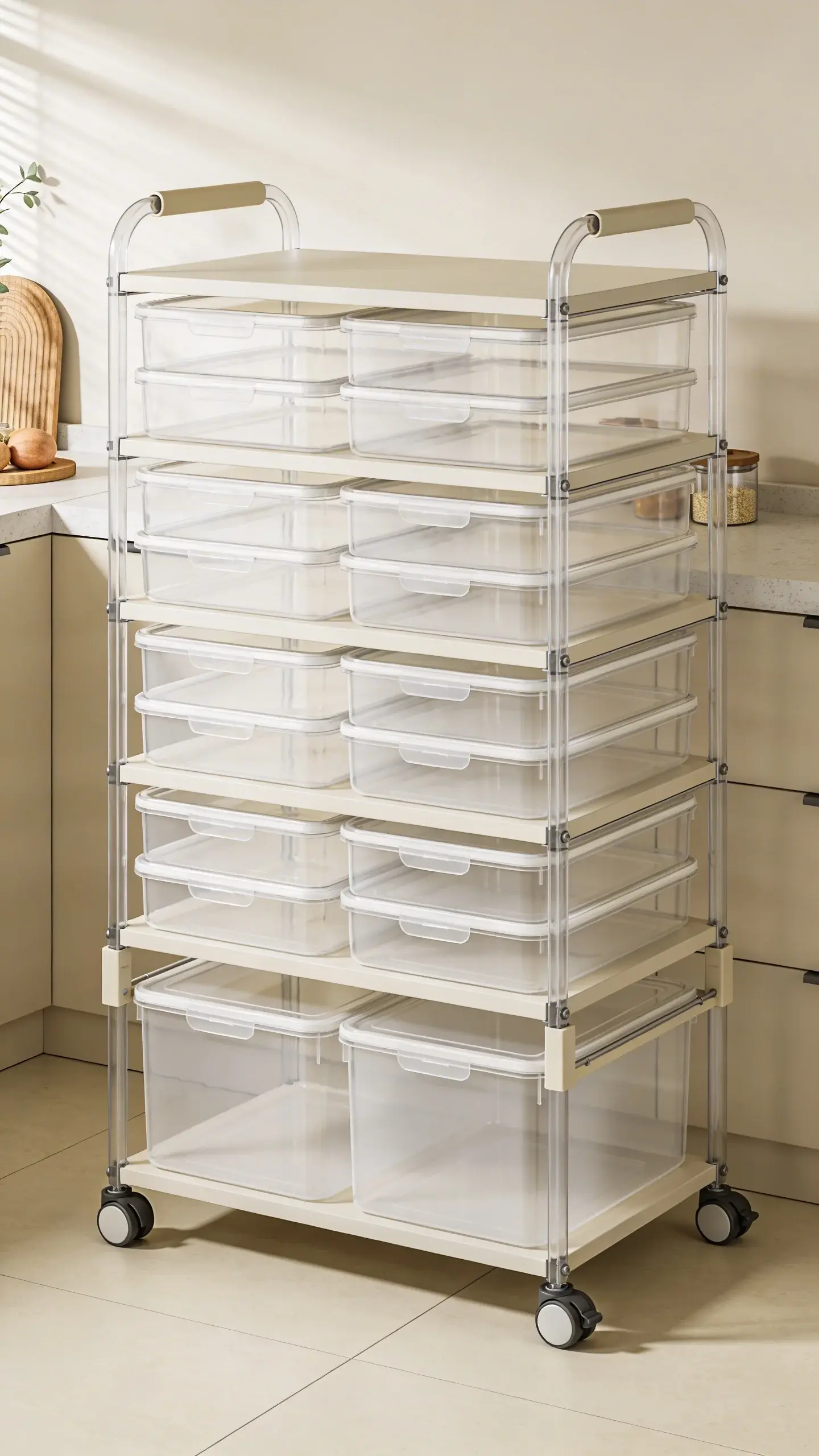
You want cozy, not cluttered. You can still climb the walls—tastefully.
- Wall-mounted nightstands or shelves: clear floor space and make vacuuming less annoying.
- Over-the-bed shelf or gallery ledge: store books, small plants, and a reading lamp. Keep it anchored well. Safety first, naps second.
- Under-bed drawers or lidded bins: think out-of-season clothes, spare linens, or gym gear. Add labels so you don’t play hide-and-seek with your sweater.
Closet: Double the Hanging Space
Install a second closet rod below the first one for shirts and pants. Use slim velvet hangers to save about 30% more space, IMO. Add a vertical hanging organizer for sweaters, bags, or shoes, and throw in S-hooks on the side for hats and belts.
Bathroom: Shelves Where You Least Expect
Tiny bathroom? Same. Go vertical with lightweight, moisture-friendly materials.
- Over-the-toilet shelves: use baskets for toilet paper, extra towels, and skincare backups.
- Wall-mounted towel ladder: gives you layers of hanging space without drilling five bars.
- Adhesive caddies and corner shelves: keep products up and off the tub ledge.
- Back-of-door organizer: stash hair tools, brushes, and travel kits.
Micro-hack: Magnetic Magic
Stick a magnetic strip inside a cabinet door for bobby pins, nail clippers, and tweezers. You’ll save time and end random “Where did the tweezers go?” interrogations.
Living Room: Style Meets Storage
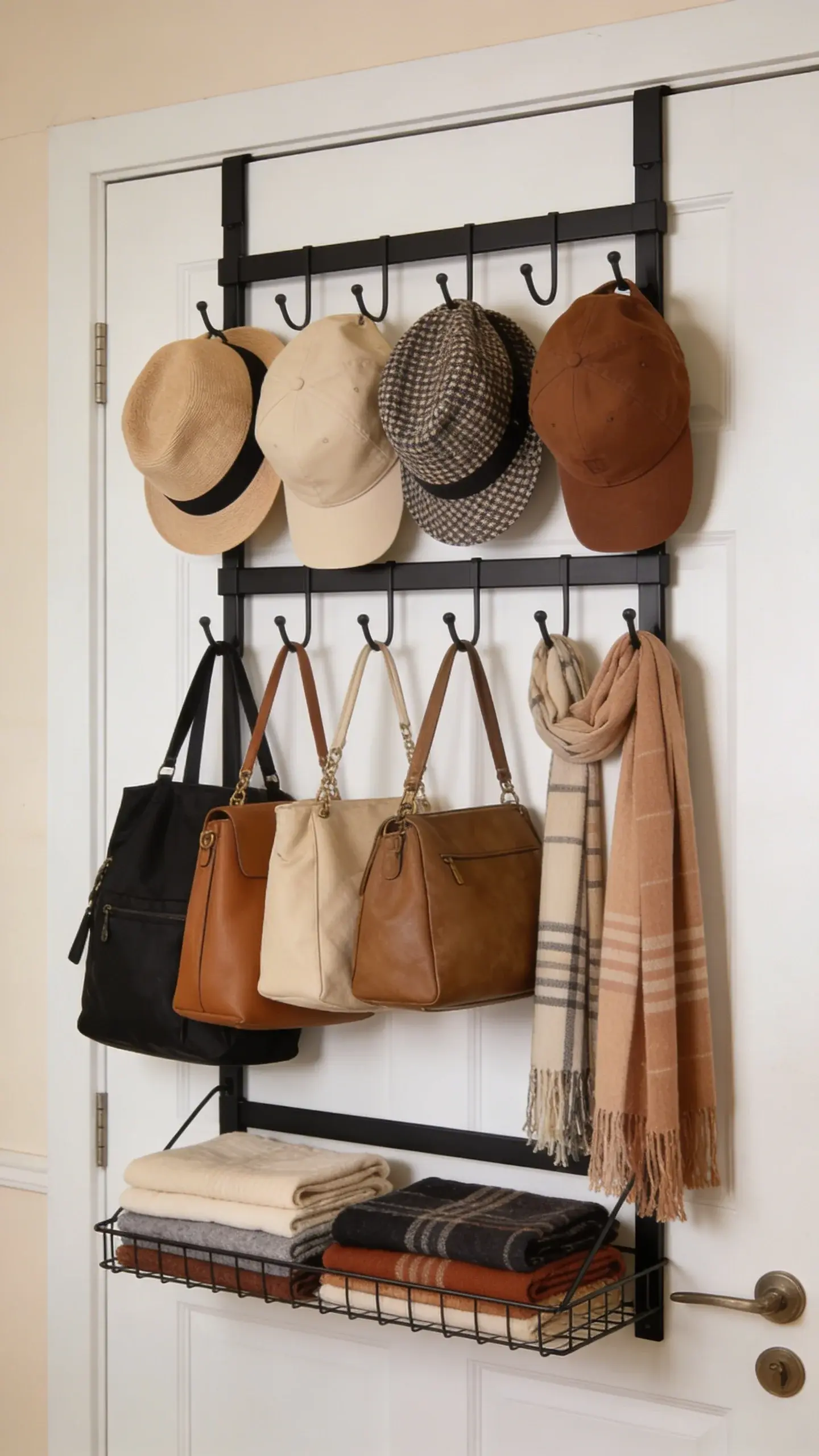
You can hide a lot in plain sight. Choose furniture that does more than one job, and stack up without looking like a warehouse.
- Floating shelves in odd corners: run them floor to ceiling for books and decor. Leave some breathing room so it still looks chic.
- Storage ottomans and coffee tables: toss blankets, games, and remotes inside. Nobody needs to know.
- Tall, narrow bookcases: anchor them to the wall and add baskets to lower shelves for kid stuff or tech gear.
- Picture ledges: layer frames, mini plants, even remote caddies. They’re shallow but mighty.
TV Wall That Works Overtime
Mount the TV. Then install a low, wall-mounted console with doors for devices and cables. Add two tall bookcases on either side for a built-in vibe without the custom price tag. Boom: media wall + storage beast.
Laundry and Utility: Ceiling and Wall Power
Utility zones often win the “worst use of air” award. Fix that with high-capacity vertical moves.
- Ceiling-mounted drying rack: pulley style or fold-down. Air-dry without eating floor space.
- Wall-mounted fold-out table: instant folding station that disappears when you’re done.
- Pegboard tool wall: hang everything—brooms, mops, tool kits—with labeled outlines so things go back where they belong.
- Stackable washer/dryer (if possible): then use the side walls for shelves and detergent dispensers.
Garage or Storage Room: Go Industrial
Install heavy-duty wall tracks or slatwall. Hang bikes vertically, mount bin rails high, and label clear totes. Group by activity: camping, sports, holidays. You’ll find the tent in seconds, not next summer.
Doors = Secret Storage Panels
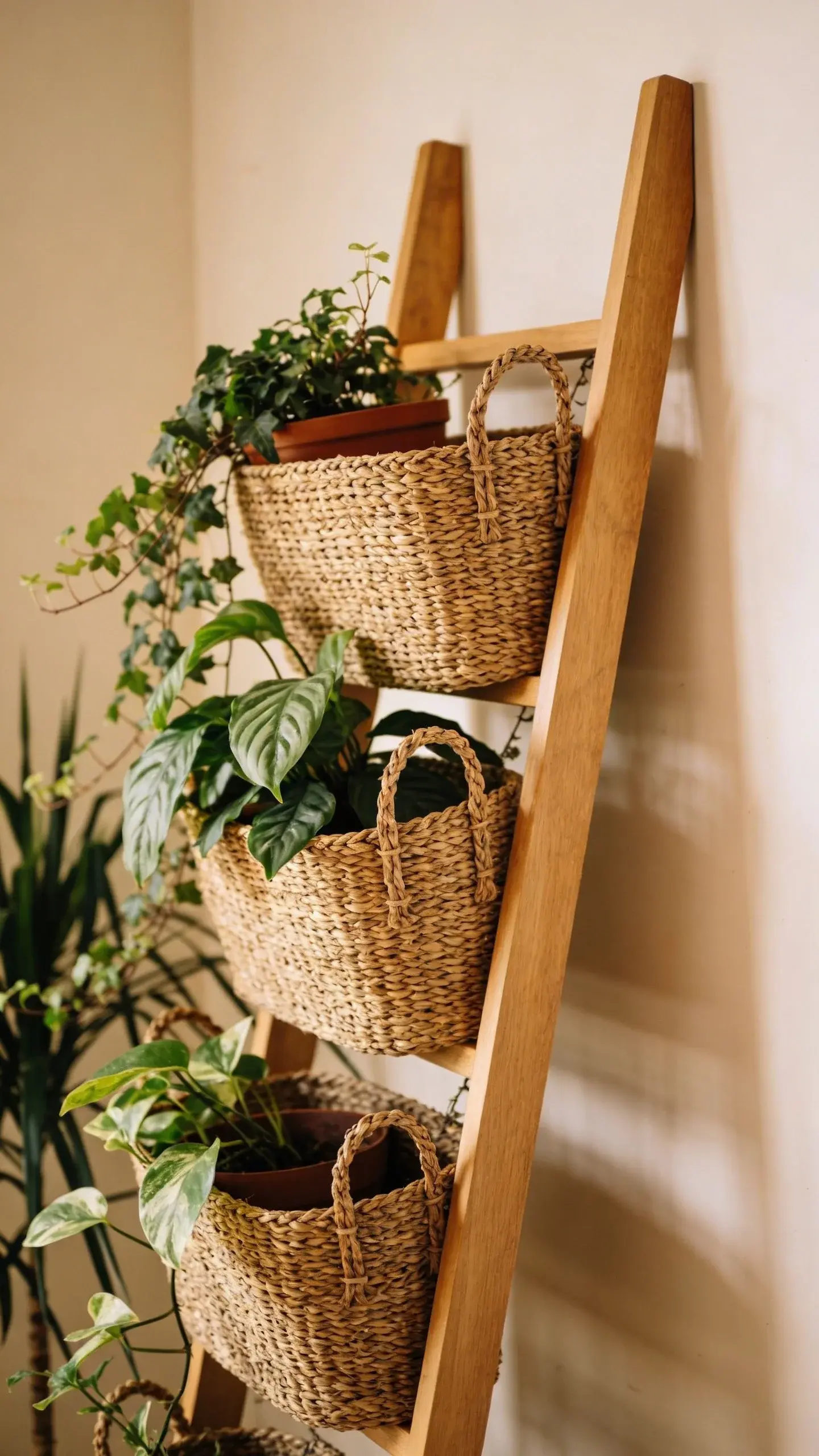
Every door can moonlight as a shelving unit. Over-the-door organizers handle shoes, snacks, cleaning supplies, craft tools, or even water bottles.
Pro tip: Choose organizers with deep, rigid pockets so stuff doesn’t slump. For cabinet doors, add slim racks for spices, wraps, or foil. Small hinges can handle it just fine; just don’t overload with cast iron, obviously.
Small Apartment Power Moves
Renting? You still have options that won’t anger your landlord.
- Tension rods: create instant vertical dividers inside cabinets for lids, pans, or cutting boards.
- Freestanding ladder shelves: lean them against a wall for plants, books, or bathroom totes.
- Adhesive hooks and rails: modern ones hold surprising weight. Check the rating and clean the wall first, FYI.
- Rolling carts: park them under counters, then roll out when needed. Add magnetic sides for extras.
Zone Your Walls
Pick one wall per room and make it your vertical hero. Floor-to-ceiling shelves, pegboards, or modular cubes. Keep like items together, label the containers, and stop your belongings from wandering like they pay rent.
Make It Look Good (Because You’ll Keep It Up)
Pretty systems get used. Mix closed storage (baskets, bins, cabinets) with open shelves for display. Repeat materials—wood tones, black metal, clear acrylic—to keep it cohesive.
Quick styling formula:
- 60% closed storage for the messy stuff
- 30% open shelves for books and decor
- 10% breathing room so your eyes can relax
IMO, a label maker pays for itself in sanity. And yes, neat handwriting on painter’s tape counts as “labels.”
FAQ
How do I start if my space feels overwhelming?
Pick one wall in the busiest room and clear it completely. Measure the width and height, then choose two vertical solutions: shelves plus hooks, or cabinet plus rail. Install those, move items into their new homes, and bask in the instant win before you tackle another wall.
What should I store up high vs. down low?
Up high: seasonal items, backups, and light-but-bulky stuff like guest bedding. Mid-level: daily-use items you grab constantly. Down low: heavy items, kids’ gear they can reach, and anything you want to slide into bins or drawers.
Are floating shelves strong enough?
Yes—if you anchor them correctly. Hit studs when possible, use heavy-duty anchors if not, and check the shelf’s weight rating. Spread weight evenly, and skip the “pile of cast-iron pans on a single bracket” experiment.
How do I keep vertical storage from looking cluttered?
Use matching bins, repeat materials, and leave negative space. Group by color or category, and hide the ugly-but-necessary items behind doors or in baskets. One accent per shelf—plant, photo, or sculptural object—keeps it intentional.
What’s the cheapest vertical upgrade with the biggest impact?
Over-the-door organizers, hands down. They cost little, install in seconds, and add real capacity in bedrooms, bathrooms, and pantries. Pair them with a couple of adhesive hooks and you’re basically winning storage bingo.
Can renters do this without drilling?
Totally. Use tension rods, adhesive hooks, freestanding ladder shelves, rolling carts, and over-the-door racks. If you need shelves, look for pressure-mounted systems or tall cabinets with wall straps that only need tiny, easily patchable holes.
Conclusion
Your square footage didn’t change—but your airspace just got a job. When you think up, not out, you unlock walls, doors, corners, and even ceilings that used to do nothing. Start with one wall, stack smart, and watch the clutter back down. Vertical storage won’t just double your space overnight—it’ll make your home feel clever on purpose.