Your cat rules the house, but that open litter box? Chaos. You’re tired of staring at it—and stepping on stray litter like it’s confetti from a party you never wanted. Good news: you can hide the mess without cramping your style. Let’s talk furniture solutions that look legit, work well, and keep your cat happy.
Why Hide the Litter Box at All?
We’re not just being fussy. You hide the litter box because you want your space to look clean and feel calm. A concealed setup also traps odors better, controls scatter, and gives your cat privacy. That last one matters—a nervous cat equals “creative” bathroom choices. No thanks.
Bottom line: a stylish hideaway solves aesthetics and function in one go. Done right, nobody knows it’s there—except your cat, who loves secrets.
Pick the Right Spot First
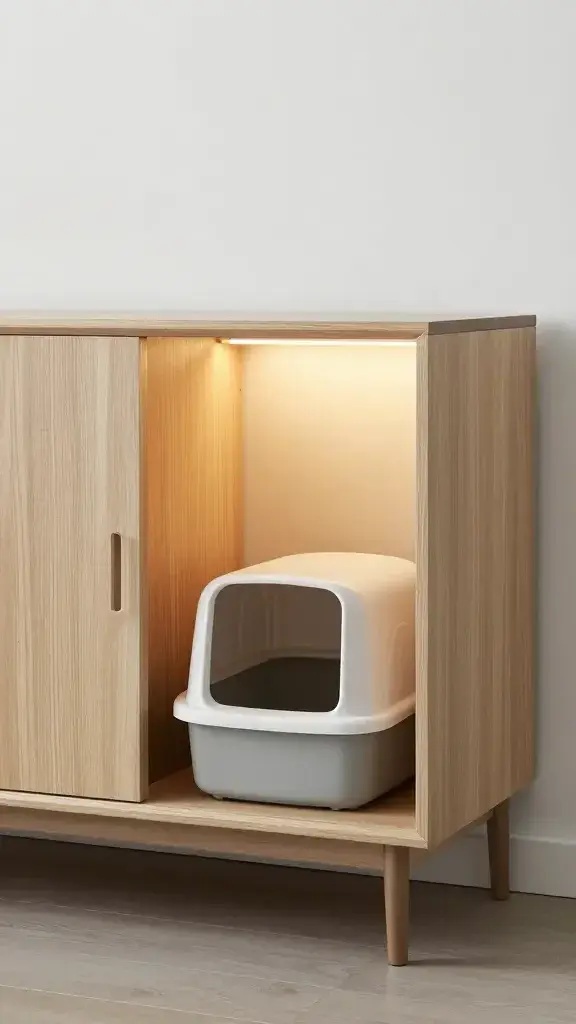
You can buy the prettiest litter furniture on earth and still fail if you place it wrong. Cats care more about location than looks. Think quiet, low-traffic, and easy to reach. Laundry rooms, corners of living areas, or a hallway niche often win.
Non-negotiables:
- Ventilation: Odors need a way out. No stale boxes in airless closets, please.
- Access: Cats hate dead-ends. Keep a clear path in and out.
- Stability: Wobbly cabinets = “hard pass” from your cat.
- Distance to food: Respect the dining area. Don’t place it next to their bowl.
Turn Furniture Into Cat Litter Camouflage
The easiest move? Buy or DIY furniture that hides the box while fitting your decor. You’ve got options—from budget hacks to catalog-worthy pieces.
1) The Entryway Bench
This one does triple duty: storage, seating, and a secret loo. You cut a side entrance, put the litter box inside, and add a mat to trap litter. Top it with baskets and a throw and no one suspects a thing.
Why it works:
- Perfect for narrow areas
- Entry mat outside catches extra litter
- Looks intentional, not “cat utility”
2) The Media Console Glow-Up
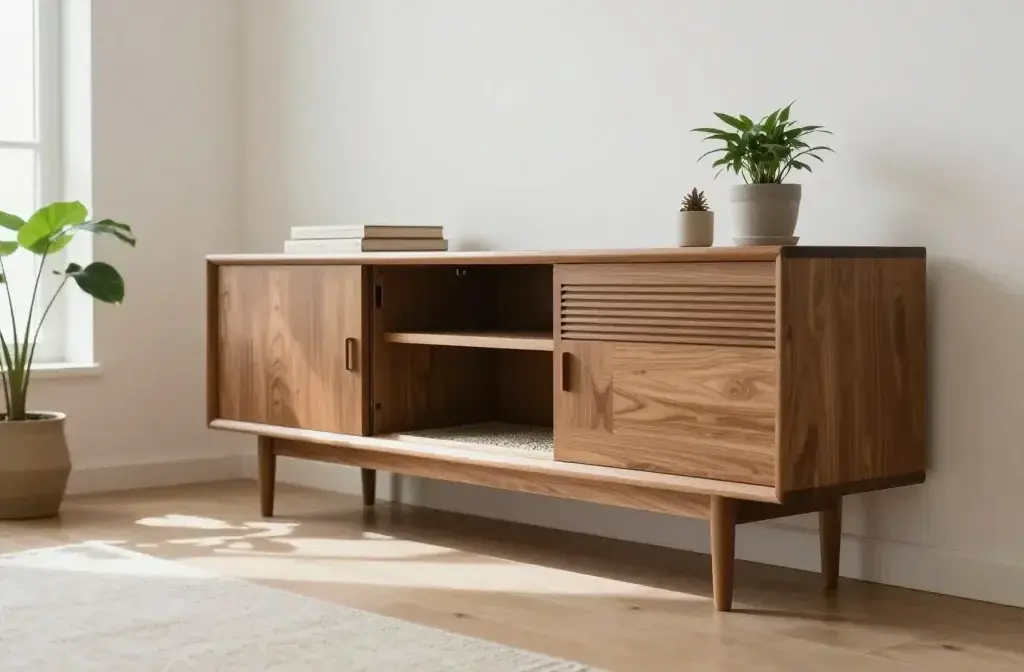
If your living room needs stealth, a low media cabinet saves the day. Remove a back panel for airflow, add a side cutout, and park the tray inside. Use the center shelf for odor control products and wipes.
Pro tip: Choose a console with doors so you can close the “bathroom” when guests visit—FYI, your cat still needs access.
3) Nightstand or End Table Nook
Compact bedroom? Turn a solid nightstand into a kitty en suite. Cut a small arch on the side, slip a top-entry litter box inside, and stash deodorizer in a drawer. Quiet, cozy, and cute.
Bonus: Your cat gets privacy, and you get less midnight litter crunch.
4) The Laundry Cabinet
Laundry rooms handle smells and mess well. Modify a base cabinet or tall pantry: cut a side entry, line the base with vinyl, and add a motion-activated light inside. Fancy? Yes. Worth it? Also yes.
5) IKEA Hack Playground
IKEA pieces practically beg for litter-box conversions.
- Besta/Besta-like cabinets: Sleek, low, and easy to modify.
- Kallax: Use two cubes: one for entry and mat, one for the box. Add doors to hide the front.
- Hemnes shoe cabinet: Narrow footprint with hidden pull-outs for supplies.
IMO: Kallax hacks look designer if you add cane webbing doors. Cheap glam.
Design Details That Make It Work (and Not Gross)
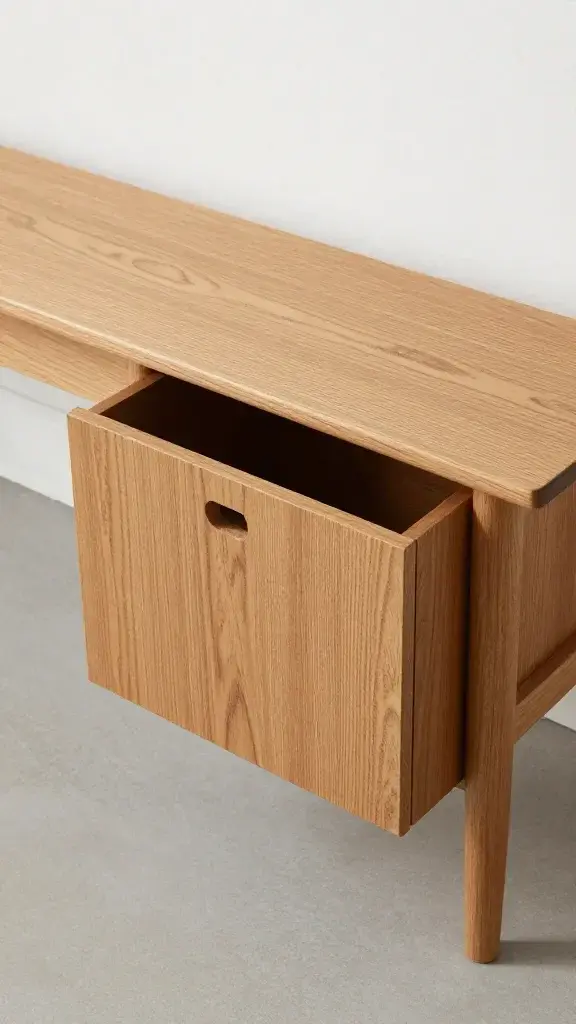
You can’t just stuff a box into a cabinet and hope. Cats notice. Odors notice. You’ll notice.
Ventilation and Odor Control
- Vents: Drill discreet holes in the back or sides. Add a small grille if you’re fancy.
- Airflow path: Entrance on one side, vent on the other—creates cross-breeze.
- Carbon filters: Stick-on filters inside the door help a ton.
- Mini fan: A USB fan on a smart plug pulls air through; keep it quiet.
Waterproofing and Easy Cleaning
- Tray-on-tray: Place the litter box in a larger boot tray to catch spills.
- Floor liner: Use peel-and-stick vinyl or a silicone mat.
- Wipeable walls: Clear acrylic panels inside protect wood from scratches and spray.
- Quick-release: Choose doors with hinges that open wide or lift-off fronts.
Keep Litter Where It Belongs
- Entry tunnel: Make cats step onto a litter-trapping mat as they exit.
- Top-entry boxes: Great for kickers, but not ideal for seniors—watch mobility.
- Two-stage mats: Honeycomb mats collect granules; easy dump-back design.
Safety and Cat Comfort Matter More Than Aesthetics
Cats veto bad design with… alternative choices. Make it comfy so they actually use it.
- Size: Cats need to turn around comfortably. Oversize the interior if possible.
- Light: Add a low-light LED if it’s pitch dark. Not a rave, just a glow.
- Noise: Avoid rattly doors and clunky magnets.
- No trapping: Keep two exits if you have multiple cats and social drama.
- Acclimation: Leave the door off for a few days so your cat learns the route.
FYI: Kittens and seniors need lower entries. Big chonky bois need extra space. Adjust accordingly.
Store Supplies Without the Eyesore
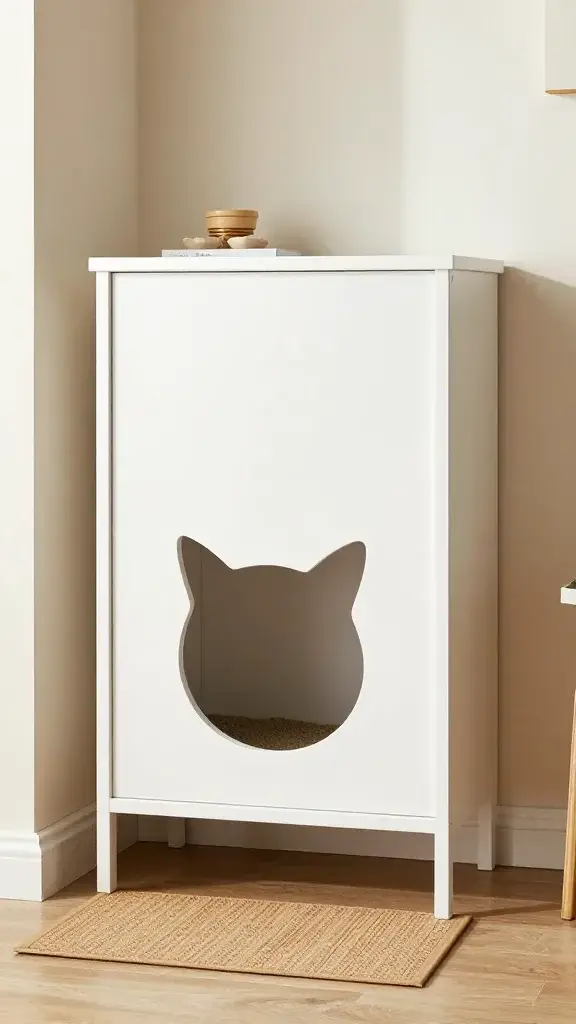
A clean setup stays clean because everything lives nearby. Build storage into the furniture so scooping doesn’t feel like a whole production.
- Drawer caddy: Bags, scoop, deodorizer, wipes—organized, reachable.
- Magnetic hooks: Hang the scoop inside a door on a drip tray.
- Mini trash can: A slim, lidded bin with a deodorizer pod makes scooping painless.
- Schedule: Scoop daily, deep clean weekly. Non-negotiable for odor control.
Ready-Made Furniture Picks
If DIY gives you hives, buy a unit that looks like normal furniture and hides the box perfectly. Look for:
- Solid wood or sturdy MDF: No wobble.
- Vent panels and removable floors: Way easier to clean.
- Right-hand or left-hand entry options: Match your room layout.
- At least 20” depth and 18” height inside: Most boxes fit comfortably.
Brands change often, but search terms like “litter box credenza,” “cat washroom bench,” and “hidden litter cabinet” usually surface the good stuff.
A Few Smart Upgrades (Totally Optional, Totally Awesome)
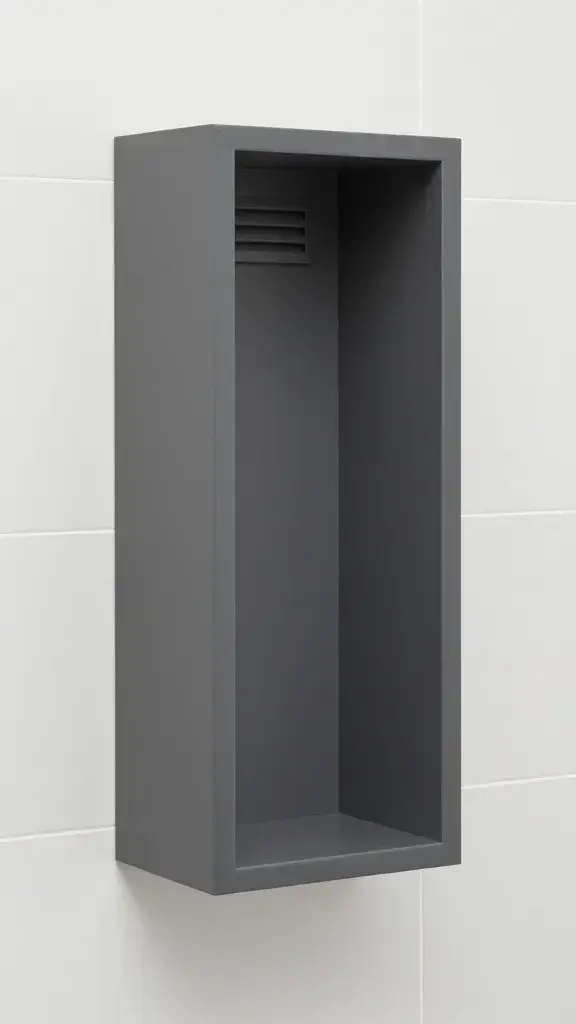
Want to go a step further? Try these:
- Motion-sensor light: Battery puck light for low-light rooms.
- Self-cleaning box inside: Only if the cabinet has proper ventilation and extra room.
- Scent control: Unscented litter + carbon filter > heavy perfume. IMO, scented litters often bother cats.
- Camouflage styling: Plants, books, baskets on top—make it look like purposeful decor.
FAQ
Will my cat actually use a hidden litter box?
Most cats adapt fast if the entrance feels open and the inside stays clean. Start by leaving doors off or wide open for a few days, then close gradually. Watch your cat’s behavior—hesitation means adjust the opening, lighting, or location.
How big should the interior be?
Aim for a space at least 1.5 times your cat’s length from nose to base of tail. Many standard boxes fit in 20” x 18” interiors, but larger cats need more. If you’re unsure, oversize it—you never regret extra room.
What’s the best litter for concealed setups?
Clumping, low-dust litter works best because you’ll scoop daily and want minimal airborne dust inside furniture. Unscented versions plus carbon filters handle odors without overwhelming your cat’s nose. Crystals can also work in drier climates.
How do I keep smells under control?
Scoop once or twice a day, replace litter regularly, and wipe down the interior weekly. Add a carbon filter panel or a small USB fan for airflow. If you still smell it, check for missed clumps stuck under liners or in corners.
Is a top-entry box okay inside furniture?
Yes for tidy, athletic cats; not great for seniors, kittens, or arthritic cats. If you use one, ensure the jump height stays manageable and the lid has grip. Otherwise, stick with a front-entry box and a good mat.
Can I put the litter box in a bathroom or closet?
Bathroom? Great, if you can ventilate it. Closet? Only if you add vents and keep the door open or install a pet door. Stale, hot air equals stink and bacteria growth—hard pass.
Conclusion
You don’t have to live with an eyesore to give your cat a clean, comfy bathroom. Pick a smart location, choose furniture that fits your space, and dial in airflow and easy cleaning. Add a few upgrades, and boom—your home looks polished, your cat gets privacy, and your toes stop meeting rogue litter at 2 a.m. That’s a stylish win for both of you.