Your place is tiny but your taste is not. Good. Texture is your secret weapon for adding depth, warmth, and style without cramming in more stuff. Let’s turn that compact space into a cozy, tactile dream—no reno, no clutter, just smart moves and great vibes.
1. Layer Textures Like a Pro (Without Overstuffing)
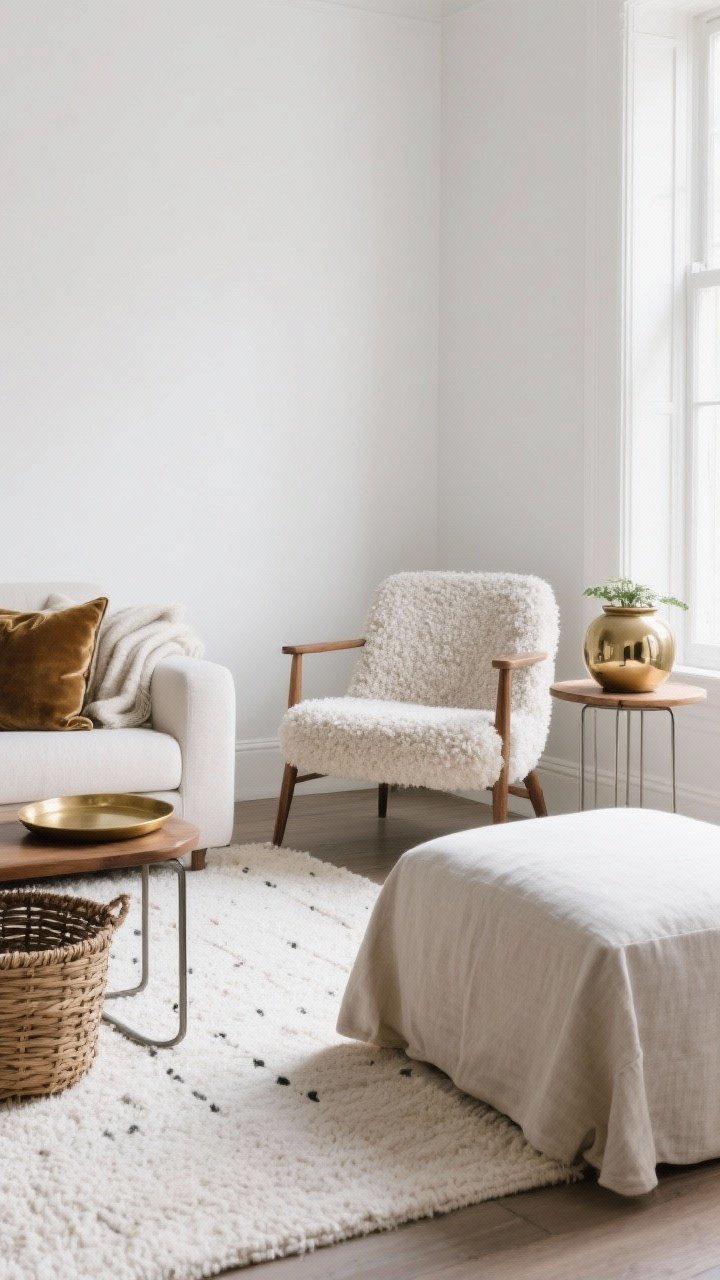
Layering is the magic trick that makes small spaces feel styled, not squished. The goal? Mix a few contrasting textures so your eye keeps moving and the room feels dynamic.
Start With a Quiet Base
- Use a low-pile rug or flatweave as your foundation—easy to clean, no tripping hazard.
- Choose a matte paint on walls to soften light and hide imperfections.
Add Tactile Layers
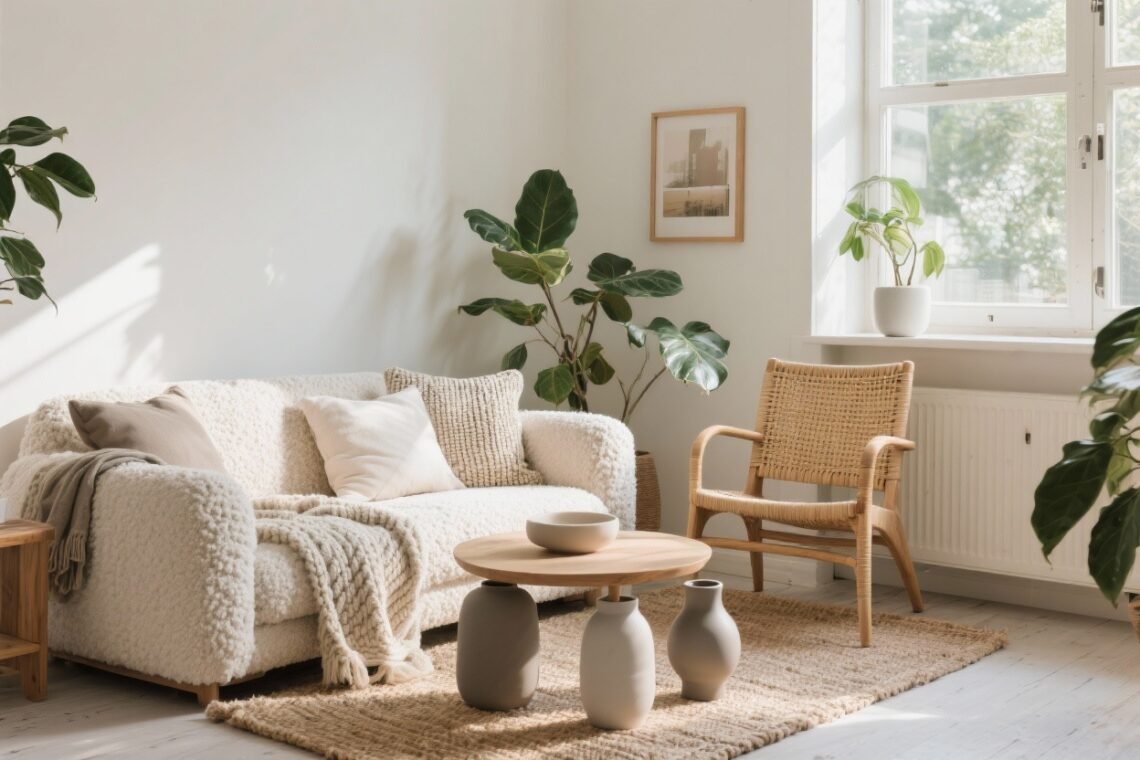
- Throw in a nubby pillow, a bouclé chair, or a linen slipcover for breathable texture.
- Mix in one shiny accent—brass tray, lacquer box, or glossy planter—to keep the look lively.
Balance is key: pair rough with smooth, matte with sheen, soft with structured. Think wool next to metal, velvet next to rattan. Two to three layered textures per vignette is plenty, FYI.
2. Play the Contrast Game: Soft vs. Structured
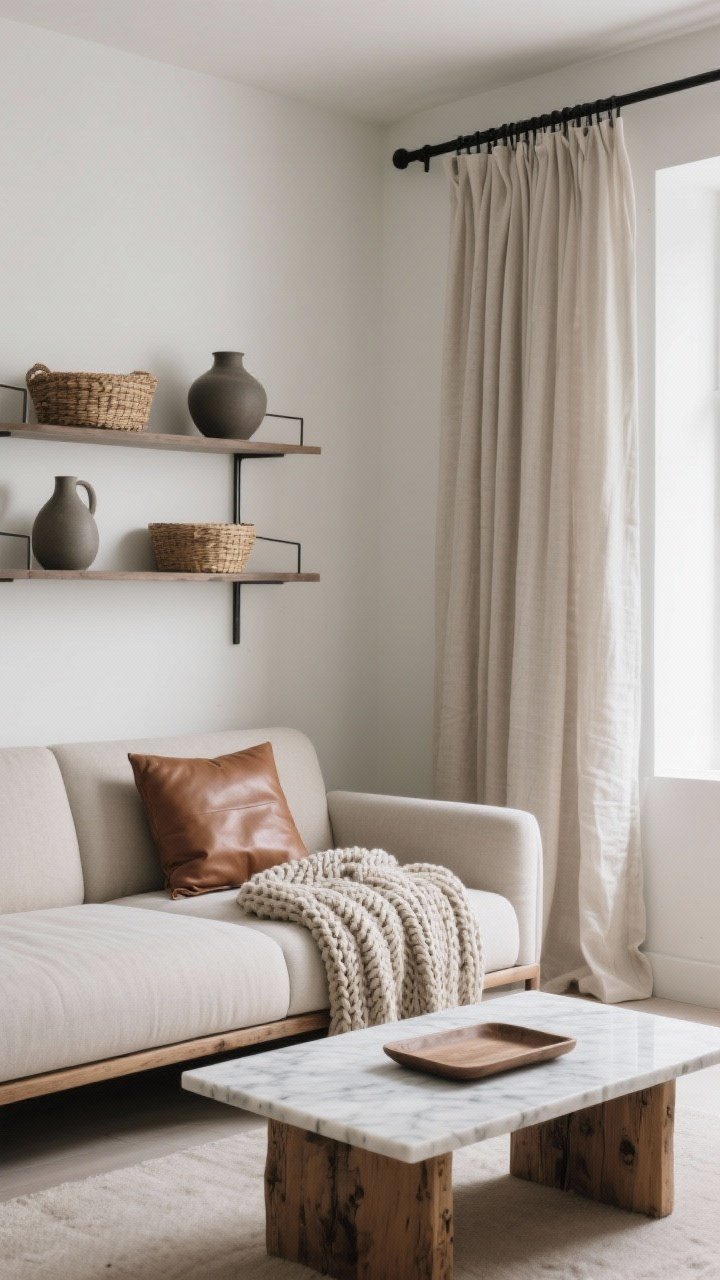
Contrast adds visual interest without eating square footage. In small spaces, this is everything. Use soft, touchable pieces against clean, structured elements so the space feels intentional and crisp, not mushy.
- Sofa + Accents: Pair a sleek sofa with a chunky knit throw and a leather pillow. Cozy meets tailored.
- Tabletop: Put a smooth marble tray on a rustic wood coffee table. Instant boutique vibes.
- Windows: Light linen curtains with a metal or black rod—soft frame, strong line.
- Shelving: Minimal shelves styled with woven baskets and ceramic vessels for balance.
Pro tip: keep silhouettes slim and materials interesting. When furniture takes up less visual space, your textures can do the talking.
3. Use Vertical Surfaces for Maximum Texture Payoff
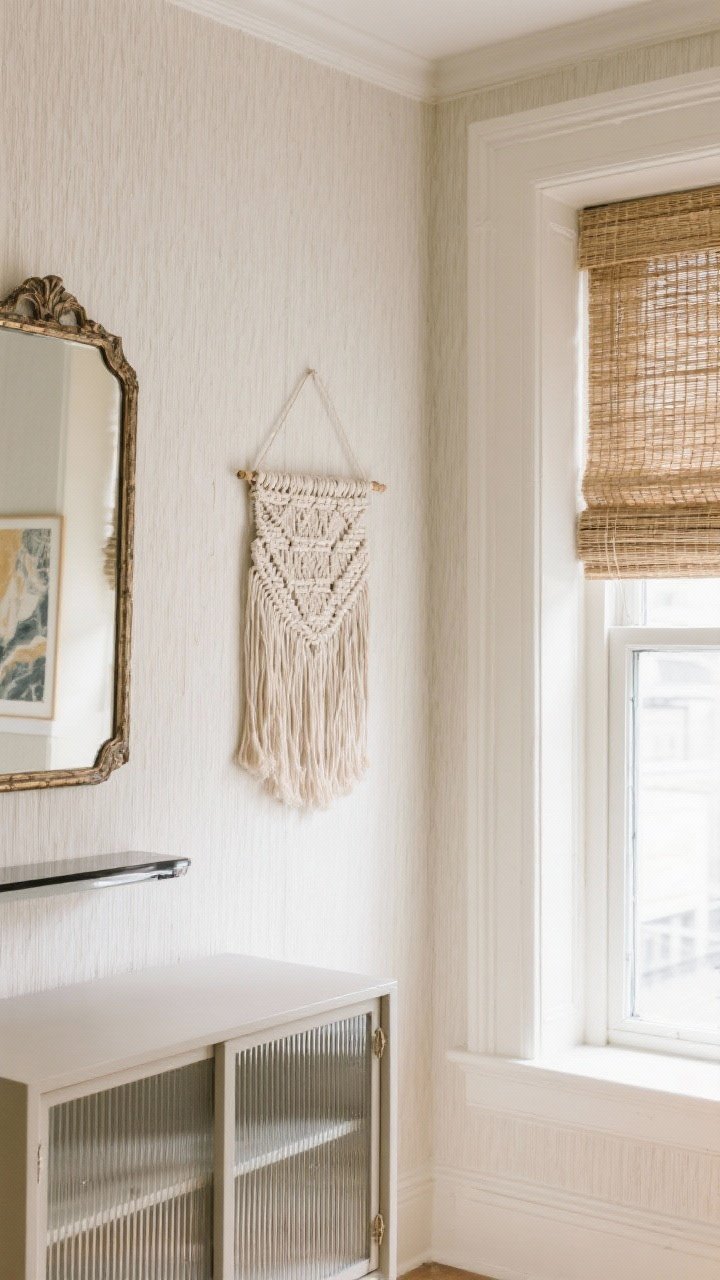
No floor space? No problem. Walls, doors, and windows are your texture playground. Elevate your surfaces and your entire room looks richer without adding clutter.
Wall Power Moves
- Textured wallpaper: Grasscloth, linen, or embossed patterns add depth with zero bulk.
- Art with dimension: Fabric panels, woven wall hangings, or relief prints bring tactile interest.
- Moldings and trim: Simple picture frame molding painted the same color as the wall = subtle texture that looks luxe.
Doors & Windows
- Roman shades in natural fibers (bamboo, linen) keep things airy and tactile.
- Frosted film or reeded glass on cabinet doors adds texture and hides visual clutter.
Bonus: reflective textures like antiqued mirrors or glossy lacquer bounce light around, making everything feel bigger. Small space sorcery.
4. Curate Textures by Color Family (So It Doesn’t Get Chaotic)
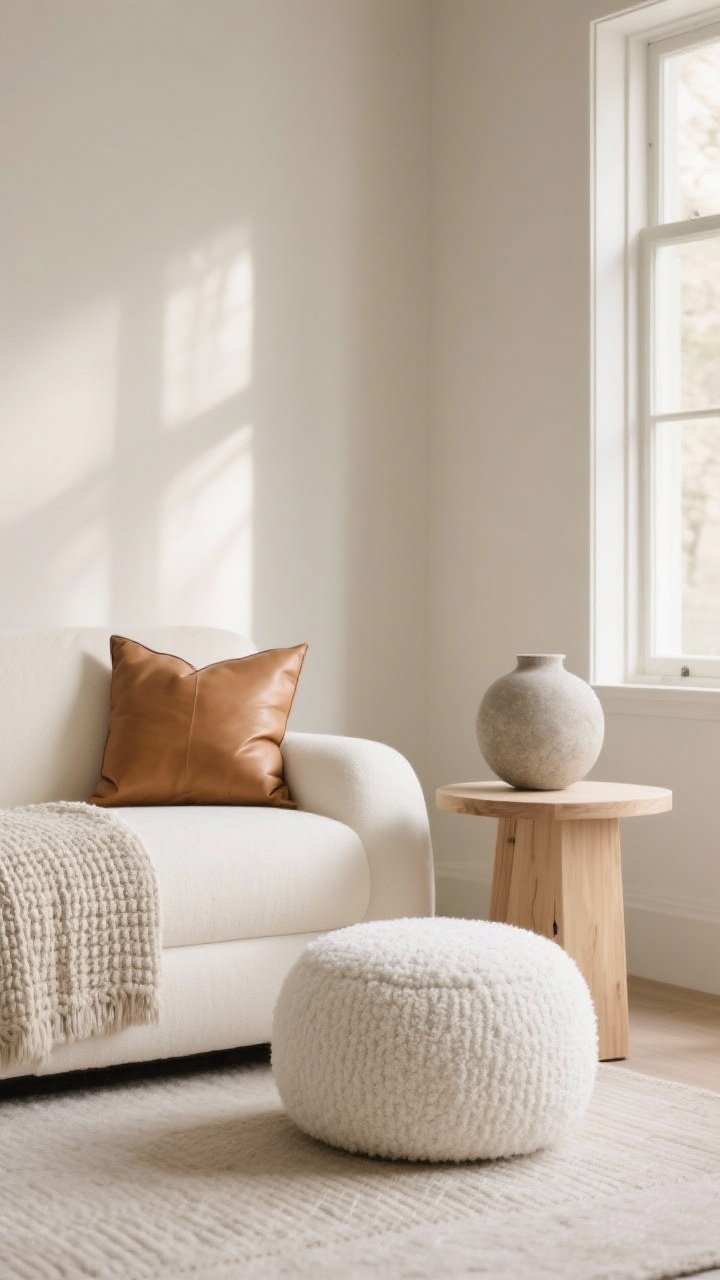
Texture can get wild fast. Keep it cohesive by staying within a tight color palette and letting the materials do the flexing. This keeps your space calm but interesting—dream combo.
Pick a Palette, Then Vary the Materials
- Neutrals: Ivory linen, tan leather, bleached oak, white boucle, matte stone.
- Cool Tones: Slate velvet, charcoal wool, galvanized metal, smoky glass.
- Warm Tones: Terracotta ceramics, walnut wood, brass accents, rust corduroy.
Stick to 3–4 hues and go wild with texture: smooth, ribbed, woven, brushed. This is how designers make small rooms look “collected” and not “chaotic thrift-store haul.”
5. Elevate Everyday Essentials With Tactile Upgrades
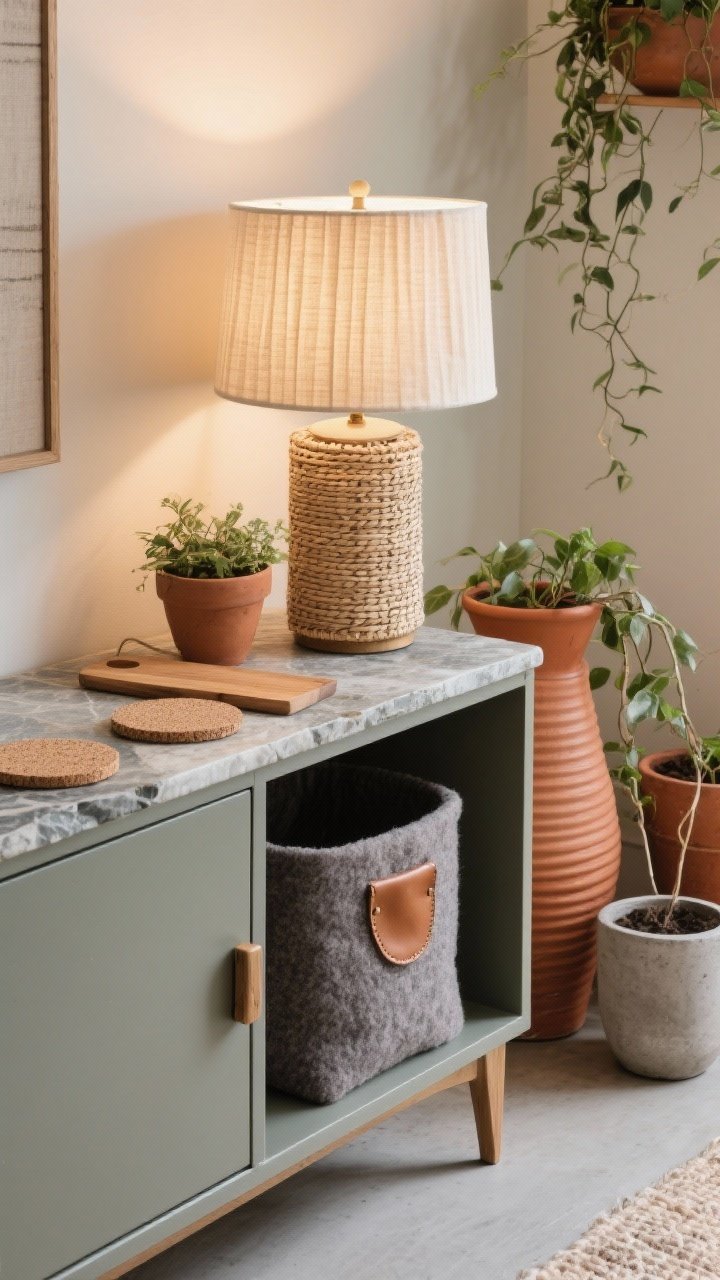
If you don’t have room for extra decor, make the functional stuff bring the texture. IMO, this is the smartest small-space move—no clutter, all style.
- Lighting: A pleated shade, linen drum, or rattan pendant instantly adds dimension.
- Storage: Woven baskets, felt bins, or leather pulls on cabinets. Chic and useful.
- Textiles: Swap generic towels for waffle weave, waffle duvet for the bed, and a fringed throw for the sofa.
- Tabletops: Stone coasters, cork trivets, and wood boards—practical layers with personality.
- Hardware: Brushed brass or knurled knobs = small change, major tactile impact.
Even your planters can join the party: terracotta, concrete, ribbed ceramic. The plants add organic texture, too—hello, trailing vines and feathery fronds.
6. Small-Space Texture Rules: Scale, Negative Space, and Repeat

Let’s keep it real: too much texture in a tiny room can feel like wearing three sweaters in July. These rules make it all work.
Mind the Scale
- One chunky piece per zone (a loop-pile rug or a bouclé chair) is enough.
- Go medium-to-fine on everything else: linen, smooth leather, flat-weave textiles.
Leave Breathing Room
- Use negative space—blank walls, clear surfaces—to let textures pop.
- Floating shelves and leggy furniture keep sightlines open.
Repeat for Cohesion
- Echo a texture 2–3 times across the room: rattan pendant, rattan tray, rattan basket.
- Vary the format (big, small, accent) so it looks curated, not copy-paste.
FYI: Light is a texture amplifier. Position textured pieces where they catch sun or lamplight—the shadows and highlights do the styling for you.
7. Quick Style Recipes You Can Steal Today
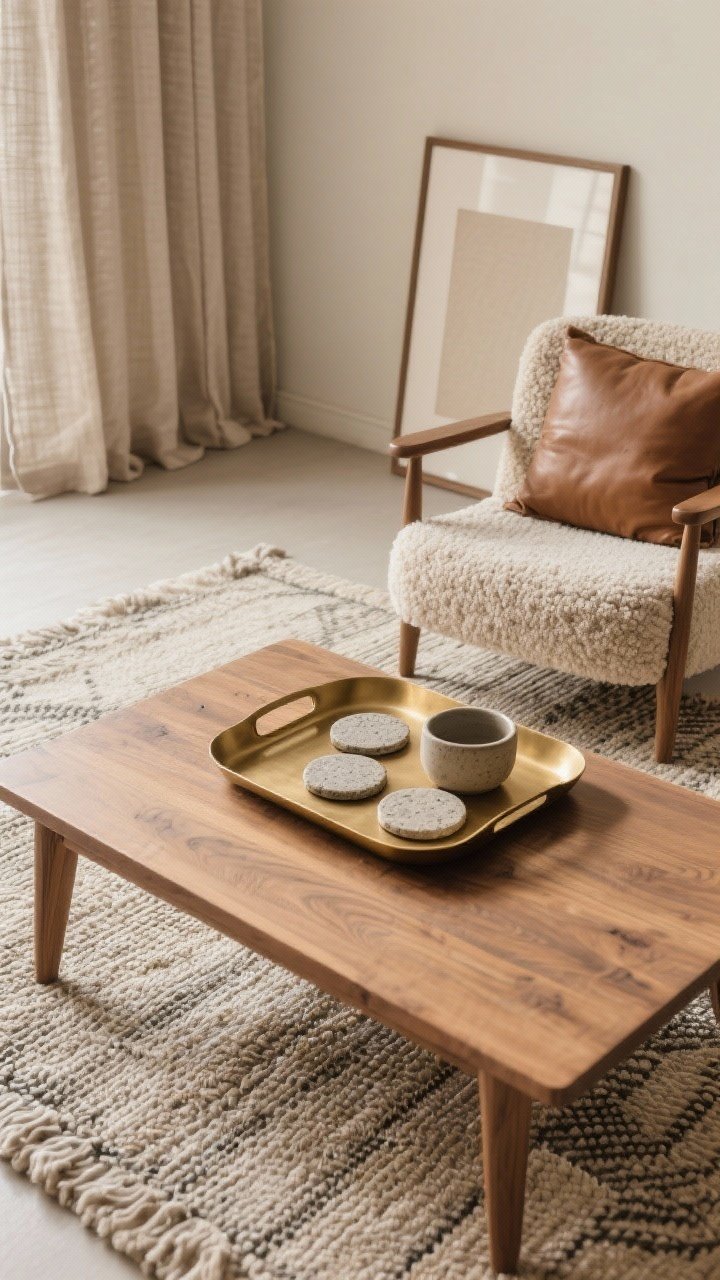
No time to overthink? Steal one of these plug-and-play combos to nail texture in a snap.
Cozy Minimalist Living Room
- Base: Light matte walls + flatweave rug.
- Layers: Linen curtains, boucle accent chair, leather pillow.
- Shine: Brass tray on a wood coffee table.
- Vertical: Simple gallery with fabric-textured mats.
Calm Bedroom Nook
- Base: Cotton percale sheets + waffle blanket.
- Layers: Velvet lumbar pillow, wool throw at the foot.
- Lighting: Pleated bedside shade for soft diffusion.
- Touchpoints: Knurled drawer knobs on the nightstand.
Micro Entryway
- Base: Jute runner or ribbed indoor-outdoor mat.
- Storage: Woven basket for shoes, felt catchall for keys.
- Vertical: Slim ribbed mirror to bounce light and add pattern.
Elevated Dining Corner
- Base: Round pedestal table (keeps flow open).
- Layers: Linen runner, stoneware plates, textured napkins.
- Glow: Rattan or paper lantern pendant for soft shadow play.
Mix and match these recipes, keep your palette tight, and remember: a few strong textures beat a jumble every time.
Final Take: In small spaces, texture is your best friend—quietly luxurious, endlessly flexible, and clutter-free. Start with a calm base, layer thoughtfully, and let contrast and repetition do the heavy lifting. You’ve got this—and your tiny space is about to feel huge on style.