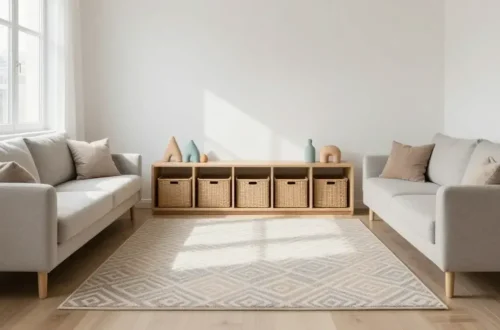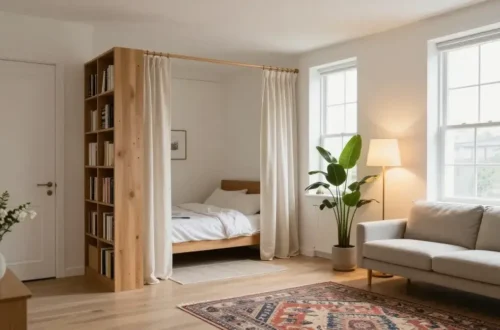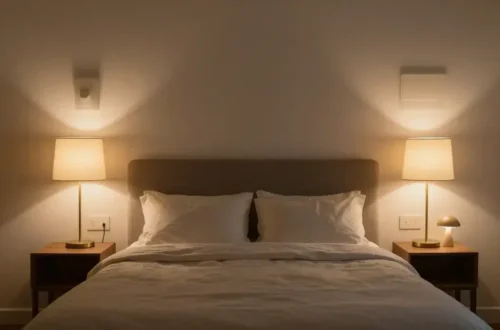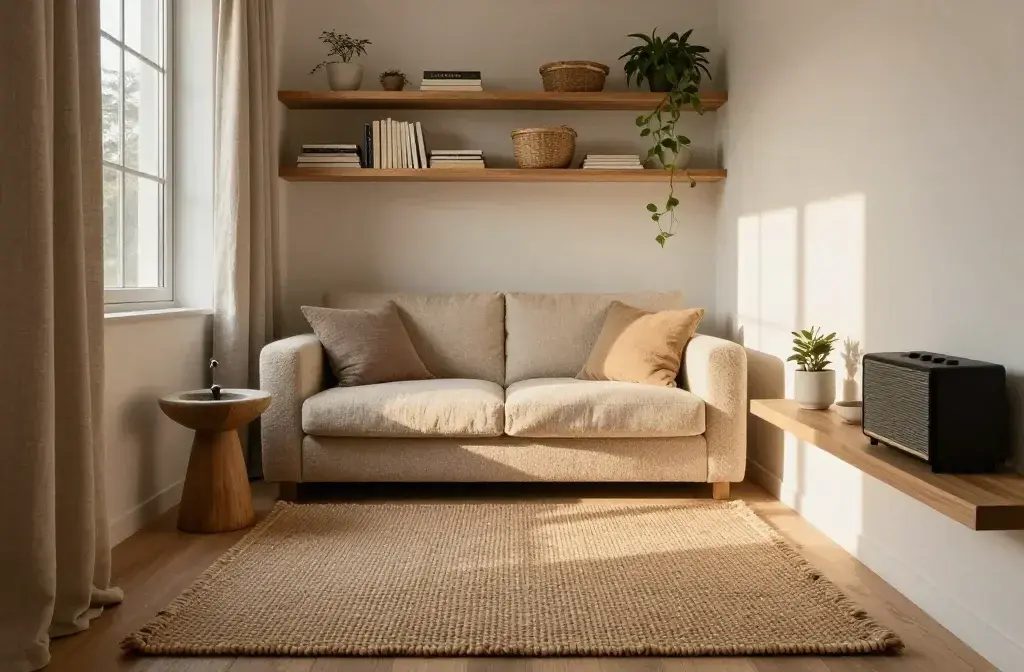
Small spaces can feel flat fast. White walls, one rug, and an echo that makes your spoon sound like a cymbal? Hard pass. The trick isn’t more stuff—it’s smarter vibes. Layer texture and sound, and your compact space stops shouting “tiny” and starts whispering “cozy, curated, and kinda fabulous.”
Why Texture and Sound Beat Square Footage
Texture and sound mess with your senses in the best way. They tell your brain, “Hey, there’s depth here,” even when the room measures 300 square feet. You don’t need a lot—you need layers.
Think of it like a great outfit: denim, silk, leather, knit. Add rhythm with soft sound, and boom, the room feels intentional. Depth equals richness, not clutter.
Start With a Sound Plan (Yes, Before Pillows)

You can fix texture later. But sound? You feel it immediately. If your space echoes, your brain won’t relax. Let’s calm the chaos.
- Soften flat surfaces: Curtains, rugs, and upholstered pieces absorb sound. Even a small runner in the kitchen helps.
- Break up sound paths: Open shelves with books, baskets, or plants scatter echo. Bonus: instant styling.
- Add a sound source: A low-volume speaker with ambient playlists makes any room feel intentional. FYI, a tiny tabletop fountain can work too—just keep it subtle, not spa lobby.
Quick Sound Fixes for Specific Spaces
- Studio apartment: One big rug, two curtain layers (sheer + blackout), and a soft headboard kill reverb without swallowing space.
- Tile-heavy kitchen: Add a washable runner, fabric Roman shade, and a few wall-mounted cutting boards to reduce that clatter.
- Echoey entry: Hook rail with totes, a cushioned bench, and a small mat. Noise tamed, welcome upgraded.
Layer Textures Like a Designer (But With a Budget)
Texture tells your eyes where to land. You need contrast—smooth against nubby, matte against glossy, warm against cool.
- One plush anchor: A deep-pile rug or a chunky throw grounds the room and absorbs sound. Start here.
- Mix three textures: Try linen drapes, a leather pouf, and a ceramic lamp. Instant range, zero fuss.
- Play with sheen: Matte walls + a satin lampshade + a polished tray keep light moving without glare.
- Use tactile accents: Woven baskets, fluted glass, ribbed candles—small pieces, big payoff.
Safe Texture Combos That Always Work
- Warm neutral: Oatmeal linen, caramel leather, raw wood, cream boucle.
- Cool modern: Charcoal felt, black metal, frosted glass, pale oak.
- Earthy cozy: Terracotta ceramics, jute, olive velvet, brass.
Walls and Windows: Big Impact, Low Effort
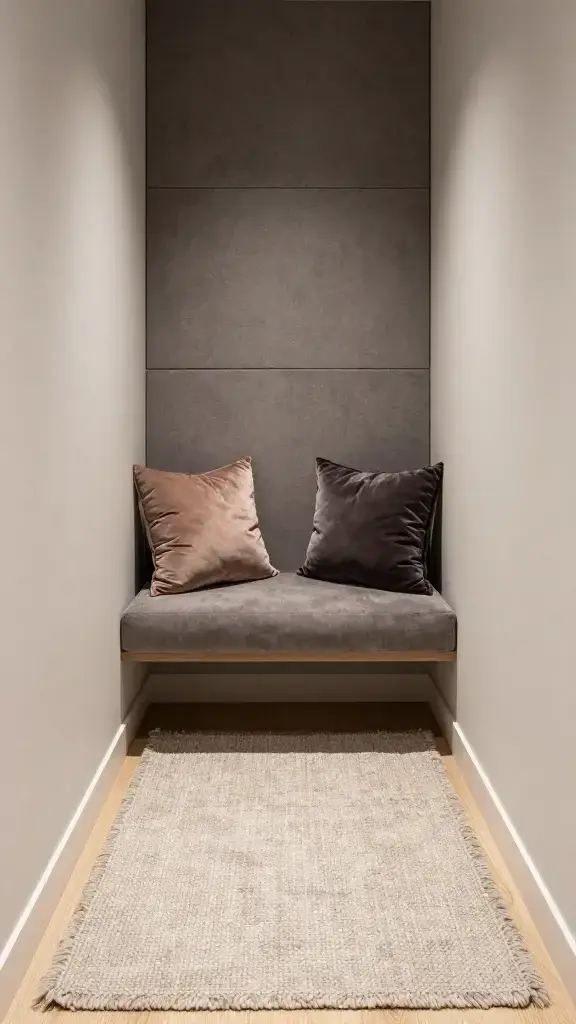
Walls and windows are your largest surfaces. Use them to layer both texture and sound control without eating floor space.
- Textured paint or wallpaper: Grasscloth, limewash, or a subtle weave adds depth. One accent wall = enough.
- Curtain math that matters: Hang them high and wide. Choose a heavier fabric or add a liner for sound dampening. IMO, linen blends keep it airy but still help.
- Soft art: Fabric wall hangings look chic and absorb sound. A framed textile or a quilt panel? Yes please.
Hardware and Details
- Rings vs. grommets: Rings glide better; thick grommet drapes block sound more. Pick your priority.
- Double rods: Sheer for daylight, heavier panel for night. Flexible lighting and acoustics in one move.
Furniture That Does the Heavy Lifting
Small spaces need multi-talented pieces. Choose furniture that adds texture, stores stuff, and quiets the room.
- Upholstered headboard or bench: Soft edges, better acoustics, and more visual warmth.
- Closed storage + open texture: Mix smooth cabinets with cane, rattan, or slatted wood to balance sleek and tactile.
- Ottomans over coffee tables: They add softness, storage, and extra seating. Trays on top keep things practical.
Think Vertical
- Tall bookcases: Stagger books with bowls, baskets, and vases for texture and echo control.
- Wall-mounted shelves: Float them to free up floor space while adding visual layers.
Soundscapes: Curate the Vibe
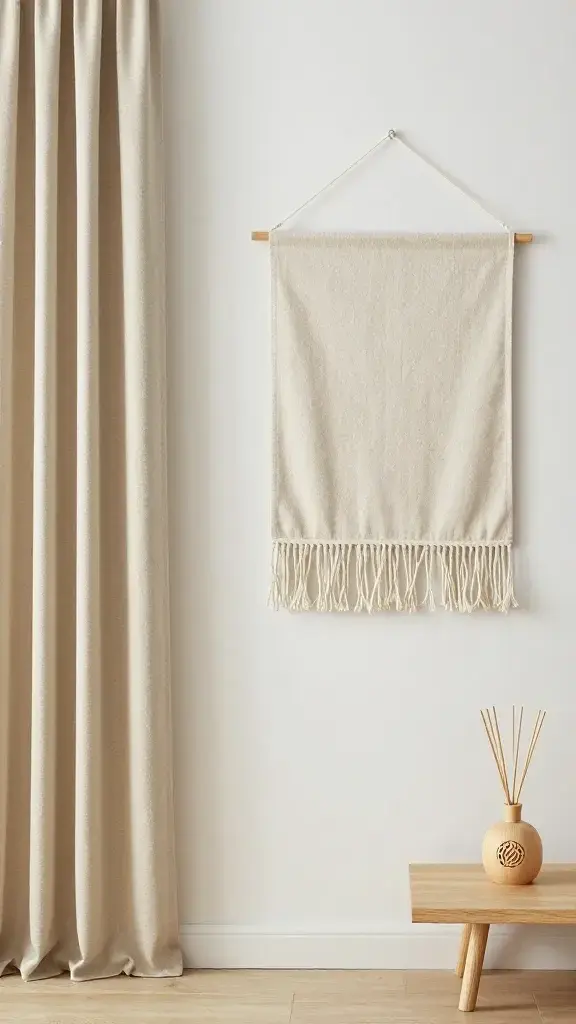
Now that the echoes left the chat, bring in intentional sound. It’s like scent for your ears.
- Morning: Acoustic playlists or light piano. Your coffee deserves it.
- Work mode: Brown noise > white noise for most people. Less hiss, more focus.
- Evening: Soft jazz, lo-fi, or nature sounds. Avoid high-tempo if you want to chill.
Tech Tips
- One good speaker beats three bad ones: Place it near ear height, not in a corner.
- Use automation: A smart plug or routine sets ambient audio at specific times. Set it and forget it.
- Mind your neighbors: Keep bass low. Your walls do not enjoy dubstep, IMO.
Little Things, Big Mood
Small changes stack up. Aim for variety without chaos.
- Throw pillows with purpose: Mix a nubby knit, a smooth velvet, and a patterned linen. Three textures, two colors, one pattern—easy rule of thumb.
- Lamps matter: Fabric shades warm the glow and soften sound reflection. Glass domes look cool, but fabric earns its keep.
- Trays and coasters: Wood, marble, rattan—tiny texture moments that keep surfaces organized.
- Plants: Big leaves soften corners and break up sound. Monstera, rubber plant, or a trailing pothos. Low drama, high reward.
Common Mistakes to Skip
- All hard everything: Glass table, tile floor, bare windows = echo chamber. Add a rug and curtains, stat.
- Too many micro-textures: If everything’s busy, nothing stands out. Anchor with a few larger, quieter pieces.
- Neglecting lighting: Overhead-only feels harsh. Layer floor, table, and accent lights with soft shades.
- Volume overload: Background audio should stay in the background. If you have to shout, you did it wrong, FYI.
FAQ
What textures make a small room feel bigger, not busier?
Go for a few large-scale textures over a bunch of tiny ones. Think a chunky knit throw, a smooth leather ottoman, and a natural jute or wool rug. Keep walls calmer—matte paint or subtle weaves—so your eyes rest instead of ping-ponging around.
How can I reduce echo without carpeting the whole place?
Use area rugs with thick pads, add lined curtains, and include at least one upholstered piece. Fill vertical space with shelves and soft art. Even swapping a glass coffee table for an upholstered ottoman can make a noticeable difference.
Are sound machines or fountains cheesy?
Only if they scream “dentist waiting room.” Keep it subtle and purposeful. A small fountain with a gentle trickle or a discrete brown-noise track at low volume sets a mood without feeling gimmicky.
What’s the easiest first step if I’m on a tight budget?
Start with a rug pad under your existing rug and add curtain liners. Those two changes seriously reduce echo and instantly cozy things up. Then thrift a textured throw or a couple of fabric pillow covers to layer in warmth.
Can I mix metals and woods without chaos?
Absolutely. Limit yourself to two metals max (say, brass and black) and two wood tones (light oak and walnut). Repeat each finish at least twice so it looks intentional, not accidental.
Do speakers ruin my minimalist look?
Not if you choose well. One compact, well-designed speaker beats a tangle of devices. Tuck it on a shelf near ear height, and let it blend with your decor—form meets function, no minimalism harmed.
Conclusion
You don’t need more space—you need more sensation. Layer texture to add depth and warmth; tune your soundscape to calm and energize as needed. When your room looks good and sounds good, it feels rich, full stop. Your square footage stays the same, but your vibe? Upgraded.