Your closet isn’t tiny—it’s just “cozy with commitment issues.” Good news: you don’t need a sledgehammer or a wall permit to make it work. With a few smart moves, you can squeeze surprising space out of every shelf, bar, and corner. Ready to stop wrestling hangers and start actually finding your favorite jeans?
Start With a Ruthless Edit (Yes, You)
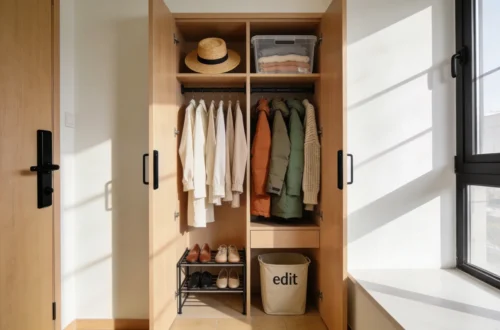
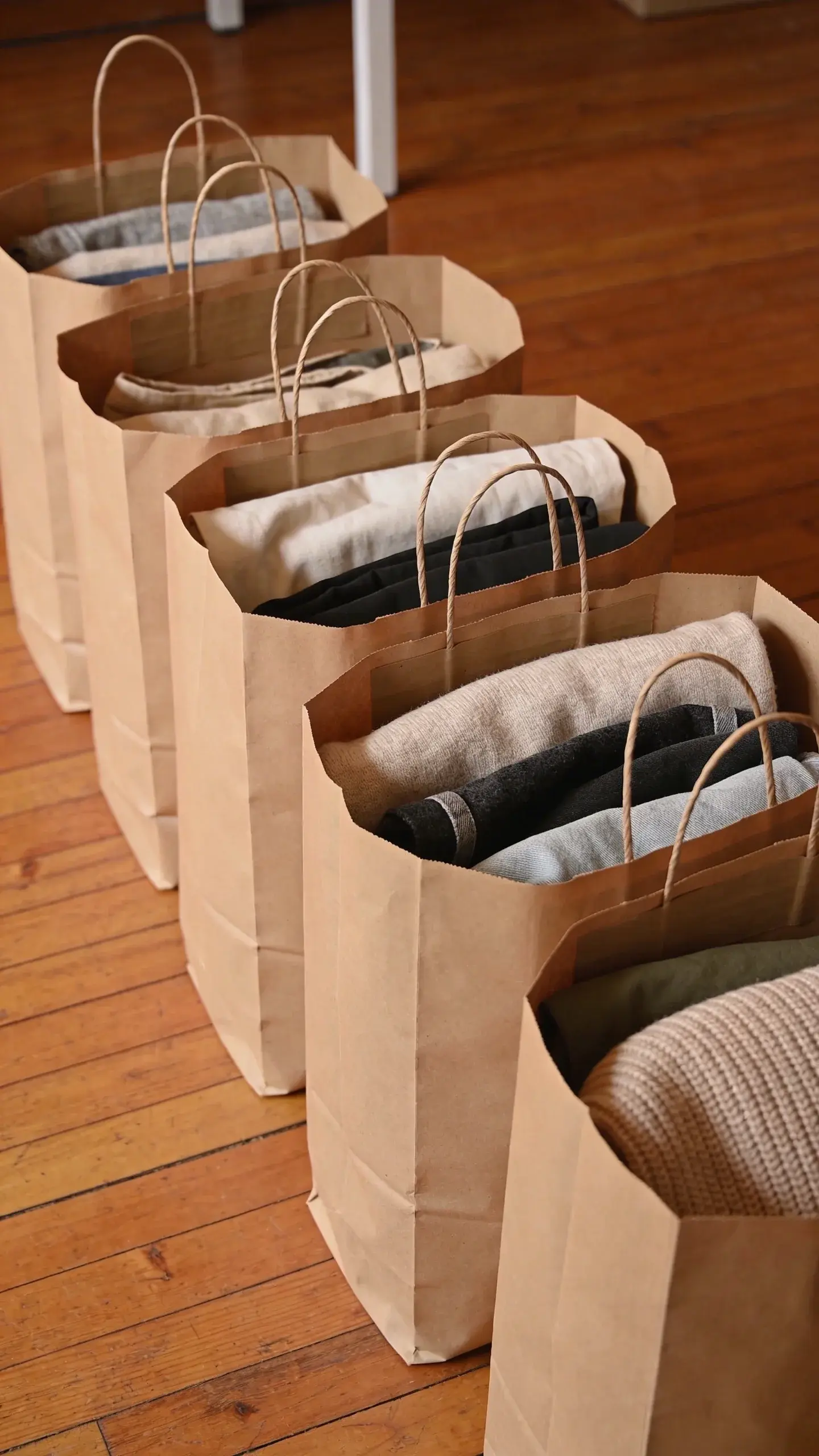
You can’t organize clutter. Pull everything out, then put back only what earns its keep. If it doesn’t fit, flatter, or spark anything but guilt, it leaves.
- Set simple rules: Worn out? Out. Duplicates? Pick the best. “Someday” size? Store elsewhere or sell.
- Use the 90/10 test: If you haven’t worn it in 90 days (seasonally adjusted), it probably lives rent-free.
- Try the hanger flip trick: Turn all hangers backward now. Flip forward only after wearing. After two months, donate the untouched.
Where to send the “nope” pile
- Resale apps for good-condition clothes
- Textile recycling for damaged items
- Community closets or shelters for practical basics
Upgrade the Hanging Situation (Vertical Space = Gold)
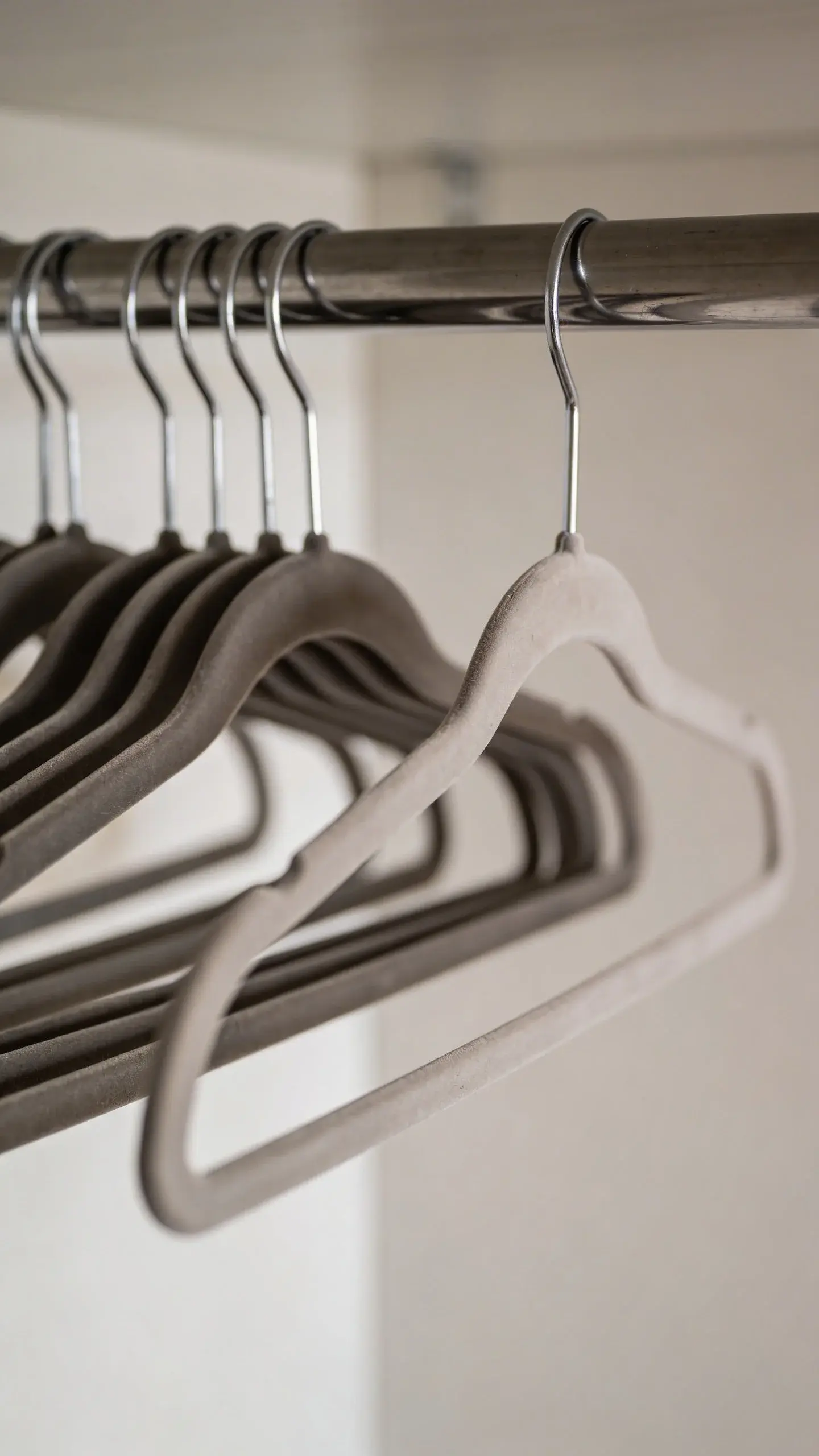
Your rod carries most of the load—literally. Optimize that zone first because it’s prime real estate.
- Install a second rod: Double-hang shirts and pants. Keep long items (dresses, coats) to one side.
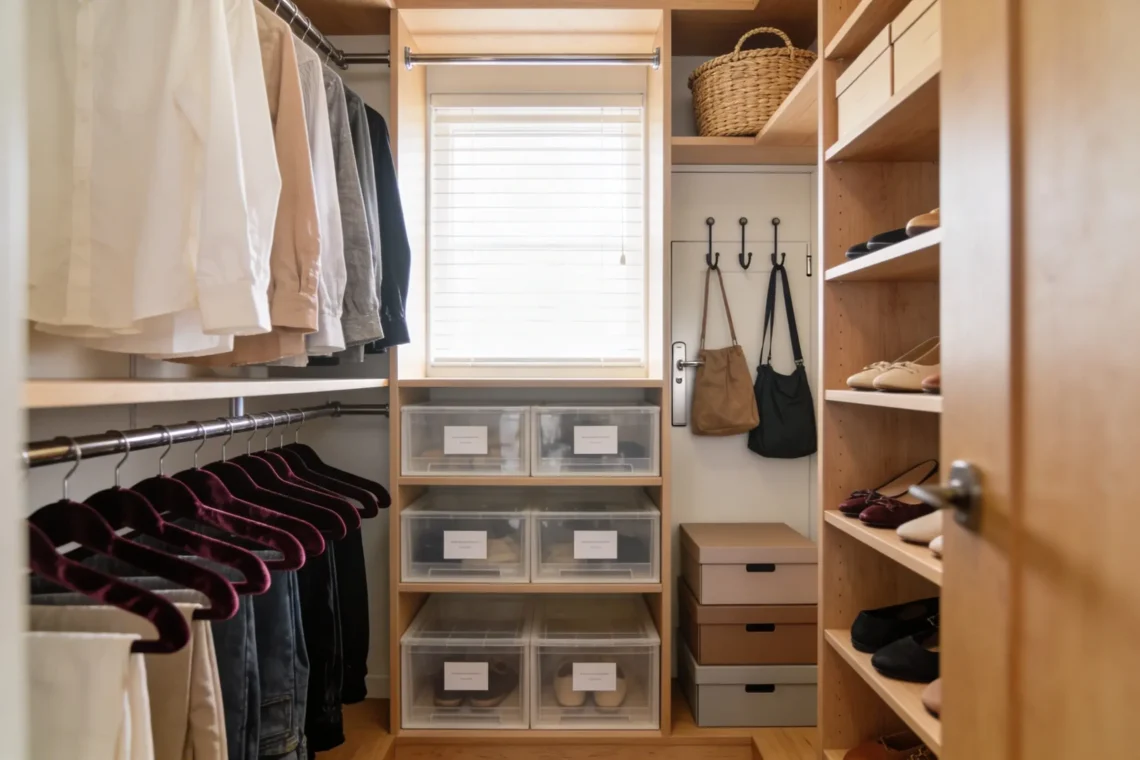
- Use velvet slim hangers: They stop slippage and save inches. Wire hangers? Absolutely not.
- Add tiered hangers: Stack pants or skirts vertically to free up half a bar.
- Clip-on cascading hooks: Create vertical chains for tees, tanks, or scarves. Magic.
Group by length for instant space
Shorter items on one side create room underneath for a bin or shoe rack. It’s like finding bonus square footage you forgot to claim.
Shelves That Actually Work For You
If you toss sweaters on a shelf and hope for the best, they’ll avalanche by Tuesday. Create lanes and stop the chaos.
- Use shelf dividers: They keep stacks tidy and stop The Leaning Tower of Cardigan.
- File-fold in bins: Stand shirts and leggings upright in open bins—see everything, grab fast.
- Go for clear or labeled: Transparent bins or bold labels reduce guesswork.
- Consider short risers: Add mini shelf inserts to double your space for accessories.
What belongs on shelves vs. hangers
- Hang: Blazers, structured dresses, flowy fabrics, button-ups.
- Fold: Sweaters (no shoulder bumps), jeans, tees, lounge sets.
Use the Door Like It Owes You Money
That door is a vertical goldmine you might ignore. Stop that.
- Over-the-door organizers: Choose deep pockets for shoes, scarves, belts, or hair tools.
- Hook rails: Hang bags, hats, necklaces, or a grab-and-go gym outfit.
- Magnetic or adhesive strips: Mount for sunglasses or metal accessories (FYI, keep it light).
Customize for your routine
Keep your most-used items at eye level on the door. It turns “I’m late” into “I’m early and smug about it.”
Go Low, Go High: Zones You’re Forgetting
We waste the floor and the top shelf because they feel awkward. Fix that with a few smart containers.
- Floor level: Low-profile shoe rack, lidded bins for bulky stuff, or a rolling cart for laundry supplies.
- Top shelf: Big matching bins for off-season clothes, costumes, or travel gear—label the front boldly.
- Above the door: Add a small shelf if you can. Great for lightweight, seldom-used items.
Hard truth about shoes
If shoes eat space, pick one system and commit:
- Drop-front boxes: Easy access, stackable, great for sneakerheads.
- Tiered rack: Simple and fast—ideal for everyday pairs.
- Hanging organizer: Best for flats and sandals; not for heavy boots.
Small Tools, Big Difference
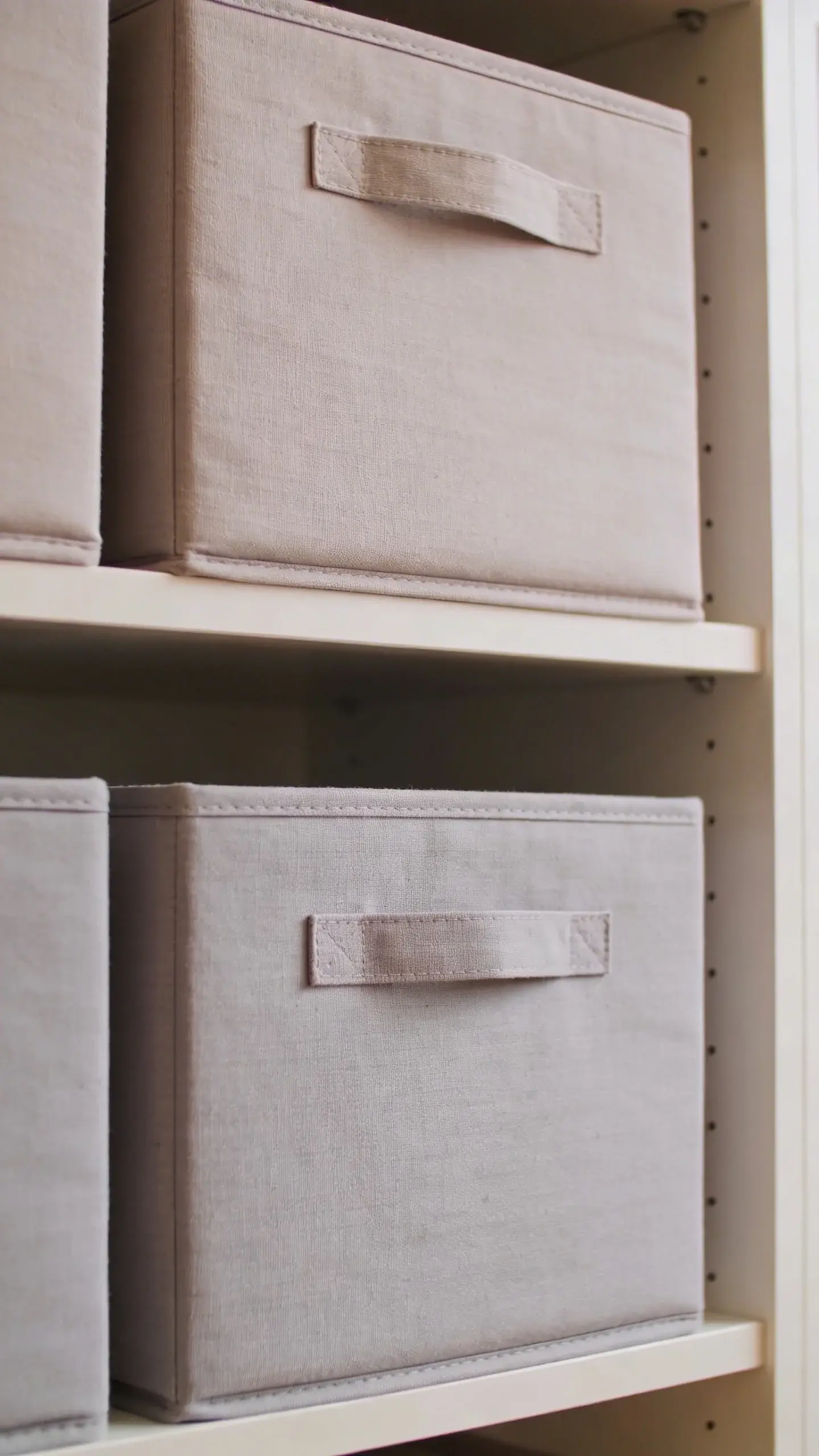
The right organizers change everything. You don’t need a fancy system—just the right handful.
- Drawer dividers: Split undies, socks, and accessories so nothing migrates.
- Swivel hooks: Perfect for belts, ties, and bags—no more tangles.
- Lazy susan for accessories: Great for perfumes, mini lotions, or jewelry trays.
- Hanging shelves: Fabric cubbies add quick storage for sweaters or gym clothes.
- Command hooks: Cheap, renter-friendly, and moveable. IMO, a must.
Label like a minimalist
Keep labels clear and short: “Tees,” “Denim,” “Bags.” Fancy fonts don’t matter if you can’t read them at 7 a.m.
Create a Micro-Routine to Stay Organized
A closet stays tidy only if your habits do. Build tiny rules that take seconds.
- One in, one out: Every new item replaces something similar.
- Weekly 5-minute reset: Refold, rehang, toss laundry strays. Set a timer.
- Seasonal swap: Box up off-season clothes and move them high. Rotate quarterly.
- Staging spot: Keep a small bin for returns, donations, or repairs so they don’t float.
Style It (Because Cute = Motivation)
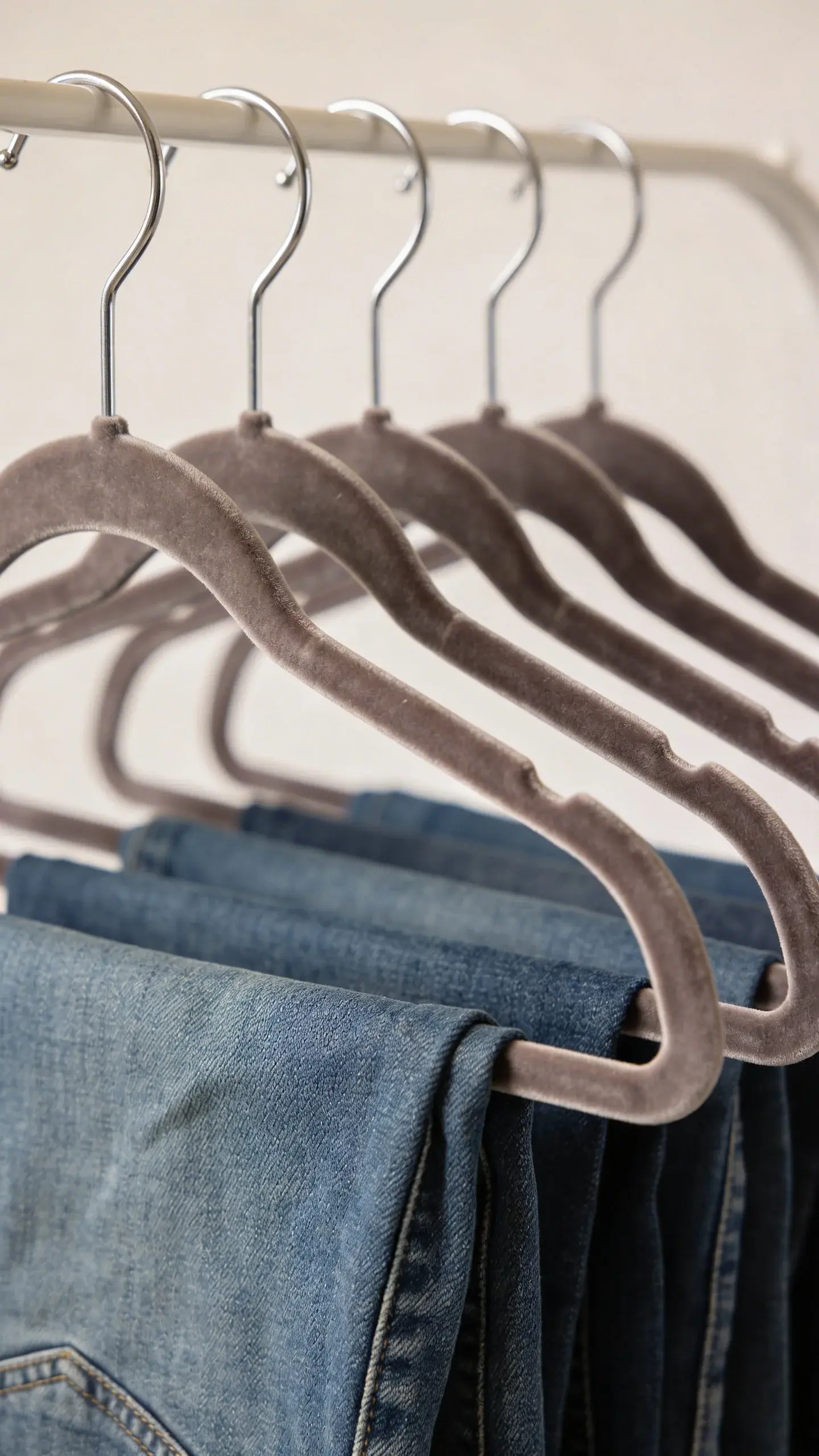
You’ll keep it neat if you actually like looking at it. Yep, aesthetics matter.
- Match your hangers: Cohesive hangers make everything look intentional.
- Color-coordinate: Organize by rainbow or gradient for easy scanning.
- Add a small light: Battery puck lights or LED strips help you see—and feel fancy.
- Display one “happy” item: A favorite hat or scarf on a hook adds personality.
FAQs
How do I organize a small closet on a tight budget?
Start with editing—free and most effective. Then add low-cost heroes: slim hangers, over-the-door organizers, and fabric bins. Repurpose shoe boxes as drawer dividers. Command hooks beat expensive systems, IMO.
Is a second hanging rod worth it?
Absolutely. A tension or adjustable rod can double your short-hang space instantly. Put tops on top, pants/skirts below, then move long items to one side to keep the flow.
What’s the best way to store sweaters?
Fold them. Hanging stretches shoulders and ruins knits. Stack with shelf dividers or file-fold into bins so you see every color and avoid squashing.
How do I handle lots of accessories without clutter?
Use zones: a small tray or lazy susan for jewelry, a belt/tie rack or swivel hooks, and clear pouches for scarves. Door pockets handle sunglasses and hats. Label each spot so things go back fast.
How often should I do a closet reset?
Do a 5-minute tidy weekly and a deeper edit every season. Set a calendar reminder, because future-you will forget. Keep a donation bag in the closet for easy offloading.
Any tricks for tiny reach-in closets with no shelves?
Add hanging shelves, install a second rod, and use the door for pockets. Place two stacking bins on the floor and one big bin up top (even if you add a simple tension shelf). Done—instant zones.
Conclusion
You don’t need more square footage—you need smarter moves. Edit hard, double your hanging space, give shelves structure, and use the door like a bonus closet. Keep it cute, keep it labeled, and build tiny habits. Do that, and your “small” closet will suddenly act way bigger—no renovation dust required. FYI, your future mornings just got easier.