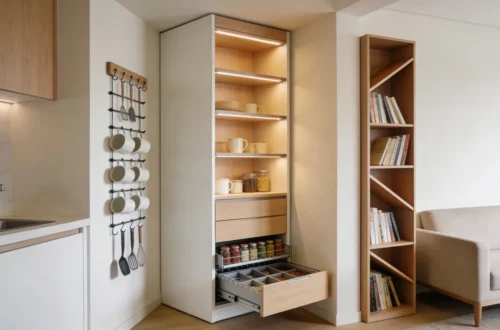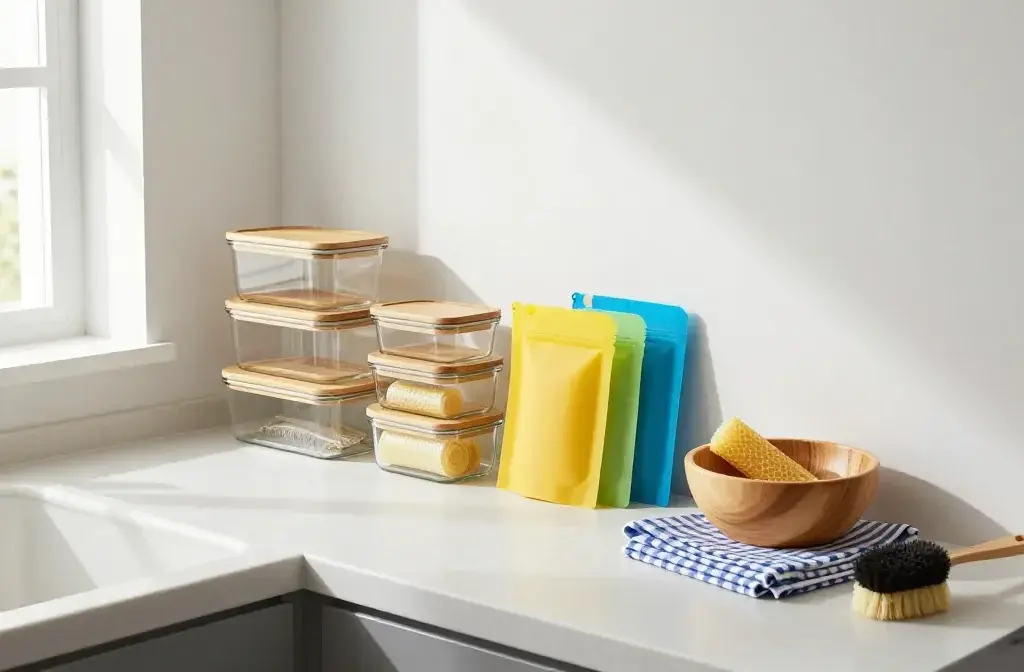
You want a calmer, cleaner kitchen that doesn’t spit out plastic lids every time you open a cabinet? Same. The good news: you don’t need a full renovation or a trust fund. A few strategic swaps can shrink trash, tame clutter, and make your space feel like it actually likes you back. Let’s raid those drawers and make room for stuff that lasts.
Start With the Low-Hanging Fruit
You’ll get the biggest wins by replacing the things you grab every day. Think wraps, bags, sponges, and those mystery containers with no matching lids. Replace the high-rotation items first so you feel momentum.
Quick wins you can do this week:
- Swap plastic wrap for beeswax wraps or silicone bowl covers.
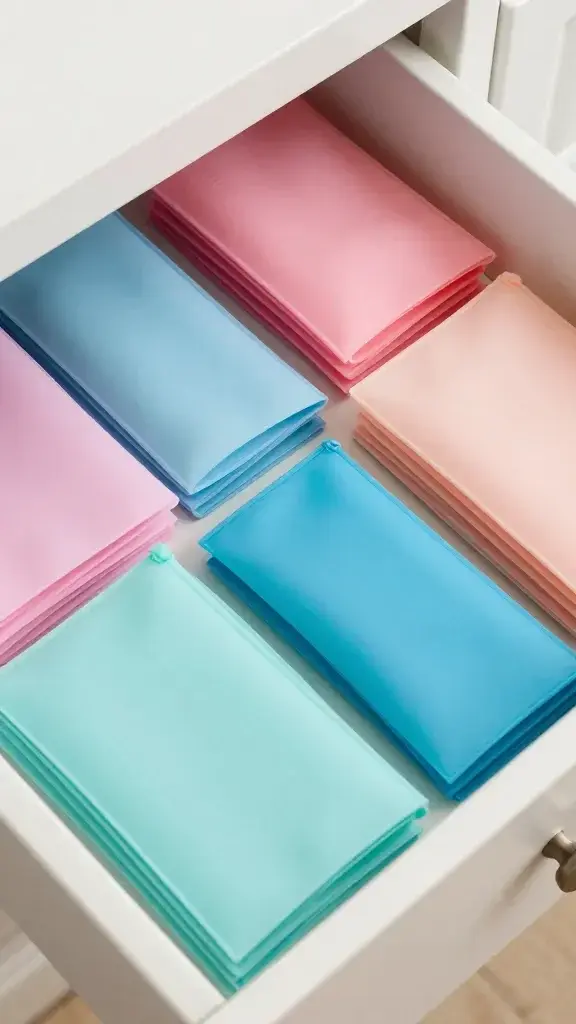
- Replace zip-top bags with reusable silicone pouches.
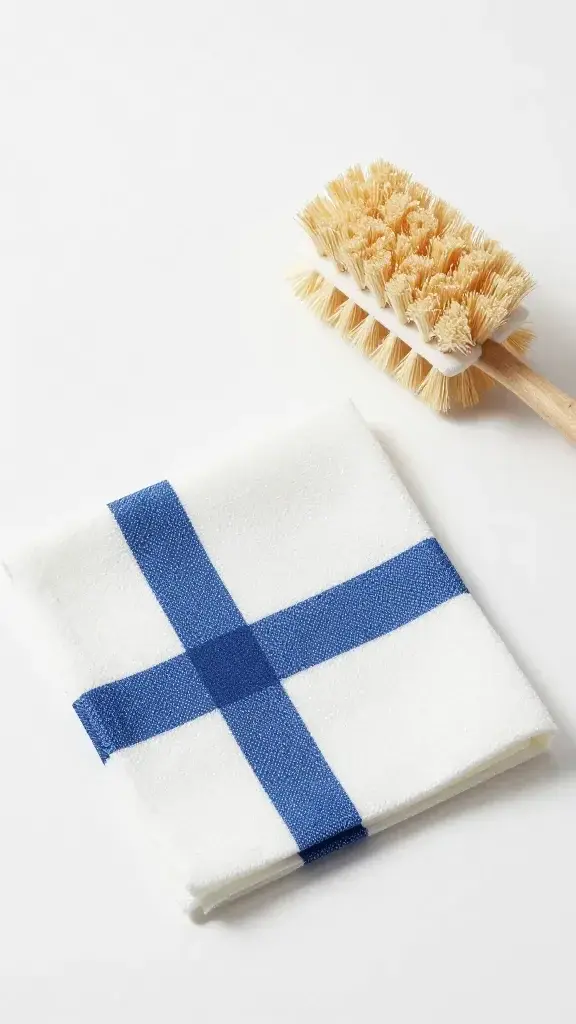
- Trade paper towels for washable cloths and Swedish dishcloths.
- Retire the funky sponge and use a compostable scrub brush or loofah.
Why these swaps work
You use them constantly, so every reuse saves money and trash. Also, they declutter. One set of silicone bags beats a jumble of half-empty box rolls. FYI, you’ll stop buying “emergency” plastic wrap because you won’t need it.
The Container Conspiracy: Match, Batch, and Ditch
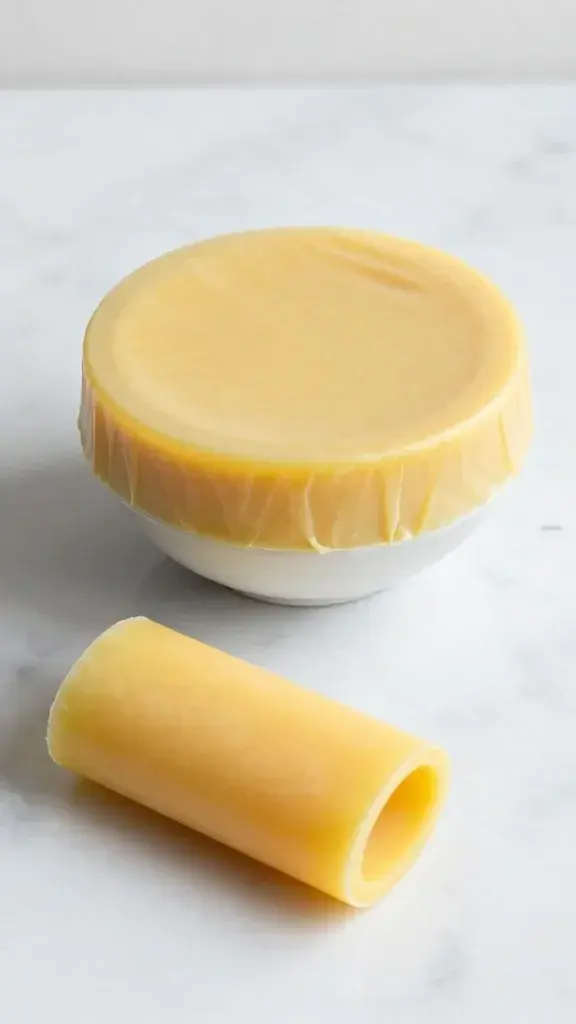
Lost-lid syndrome ends today. First, gather all your food containers and lids like you’re hosting a plastic family reunion. Keep only sets that match and stack easily. Everything else? Donate if usable, recycle if accepted, thank for service if not.
Smart container upgrades:
- Glass containers with snap lids: Durable, microwave/oven-safe, stain-resistant. Great for leftovers and meal prep.
- Stainless steel lunch boxes: Lightweight and basically immortal. Perfect for snacks and on-the-go.
- Jars with standard lids: Mason-style or repurposed pasta sauce jars. Keep one lid size if you can for sanity.
Pro tip: standardize
Pick one or two sizes you actually use and buy multiples. Your cabinets will look like a tiny, organized store. IMO, standardization beats “eclectic” when lids attack.
Ditch Disposables in the Sink Zone
Your sink area generates sneaky waste. Paper towels, sponges, plastic soap bottles—all busy doing the most. Time to evolve.
Sustainable sink setup:
- Solid dish soap bar + block holder: Cuts plastic bottles and lasts ages.
- Refillable pump with concentrated soap: If you prefer liquid, get refills in bulk or at a refillery.
- Compostable scrub brush: Wood handle, replaceable heads. Scrubs like a champ.
- Swedish dishcloths + cotton towels: One dishcloth replaces dozens of paper towel rolls.
Drying rack reality check
If your rack collects mystery gunk, switch to a roll-up silicone rack or a microfiber drying mat. They store flat and claim less counter real estate than your current wire sculpture.
Pantry: Buy Better, Store Smarter
Single-use plastic loves your pantry. Cut it off at the source. If you can, buy staples in bulk and refill your containers. If not, choose larger packages over many small ones. Less packaging, less clutter, fewer crumbs.
Containers that actually help:
- Airtight glass jars: Keep flour, oats, rice, and snacks fresh and visible. You’ll stop overbuying.
- Stackable bins: Corral packets, baking gear, and backstock into tidy zones.
- Labels: Yes, label them. Future-you will not remember what “mystery beige grain” is.
Bulk basics that make sense
Start with high-turnover items: rice, oats, beans, nuts, coffee. Refill in your own containers when you can. You’ll cut waste and skip the avalanche of half-used bags doing a slide show every time you open the door.
Food Preservation Without the Plastic Drama
You don’t need cling film to keep food fresh. You need airflow control and the right container.
Simple preservation swaps:
- Produce bags: Store greens with a damp cloth in a sealed container. Crispy for days.
- Silicone lids: Pop onto bowls, pans, even half-cut melons. Instant seal.
- Beeswax wraps: Great for cheese, bread, and bowl covers. Skip raw meat for hygiene.
- Ice cube trays with lids: Freeze herbs in oil, stock, tomato paste in portions. No more zombie condiments.
Fridge zones that actually work
Designate a “Use First” bin. Toss in anything that’s almost ripe or half-used. You’ll cook it before it morphs into compost cosplay.
Cooking Tools That Last (and Don’t Hog Space)
You don’t need seventeen utensils that melt when they see a hot pan. Choose tools that handle heat and multitask.
Worthwhile upgrades:
- Stainless or cast iron pans: Long-lasting and repairable. No flaky coatings.
- Wood or silicone utensils: Gentle on pans, heat safe, and not landfill-bound in a month.
- Baking mats: Reusable silicone mats replace parchment and foil for most baking.
- Stainless mixing bowls with lids: Mix, marinate, store—one bowl, three jobs.
One in, one out
Buy a new tool? Retire the duplicate that drives you nuts. Your drawers will stop sounding like a cutlery mosh pit.
Trash Less, Compost More
If your trash fills fast, food scraps likely cause it. Composting removes the stink and shrink-wraps your trash volume—figuratively, not with actual plastic.
Easy compost routes:
- City service: If your area offers green bins, use them.
- Countertop caddy + compostable liners: Line it if you want easy cleanup, or go liner-free and rinse.
- Electric composters: Pricey but convenient if you lack outdoor options.
- Worm bin: Surprisingly low-maintenance, great for apartments. Yes, really.
What about smell?
Freeze scraps in a bag or container. Empty when full. Zero smell, zero fruit fly drama. IMO, it’s the chillest hack.
Budget Tips So You Actually Do This
You don’t need to buy everything at once. Replace as you run out. Prioritize swaps that save money quickly and reduce clutter immediately.
Money-smart order of operations:
- Paper towels to Swedish dishcloths/cloth rags.
- Plastic wrap/foil to silicone lids and beeswax wraps.
- Zip bags to silicone pouches.
- Liquid dish soap bottles to bars or refills.
- Mixed containers to standardized glass or steel sets.
Buy less, choose better:
- Check secondhand for jars, bowls, and even baking sheets.
- Skip kits with random sizes. Buy the sizes you’ll use weekly.
- Test one item before buying a full set. Hate it? You didn’t marry it.
FAQ
Do beeswax wraps actually work, or do they just look cute on Instagram?
They work for the right jobs. Wrap cheese, bread, and cover bowls—perfect. They don’t love raw meat or super-wet foods. Warm your hands around the wrap to seal it, and wash in cool water. Treat them right and you’ll get months of use.
Are silicone products really eco-friendly?
Silicone beats single-use plastic because you reuse it hundreds of times. It’s durable, inert, and handles heat. It’s not widely curbside recyclable, so choose high-quality pieces you’ll keep. Use it for tasks where it shines—baking mats, lids, and pouches—not as a replacement for everything ever.
Glass or stainless: which should I choose?
Pick based on how you use it. Glass handles microwaves and ovens and lets you see leftovers at a glance. Stainless wins for lightweight, unbreakable storage and lunches. Many people use both: glass at home, steel on the go. FYI, you can’t go wrong with either.
How do I stop my cloths from getting gross?
Rinse after use, wring well, and hang to dry. Wash in hot water once or twice a week. Rotate a small stack so they don’t live eternally damp lives. If a smell lingers, boil briefly with a spoonful of baking soda and they bounce back.
What’s the most impactful swap if I can only do one?
Switch to reusable food storage: silicone pouches or solid glass containers. You’ll cut constant plastic bag and wrap purchases, and your fridge will look less chaotic. One good system fixes daily headaches, which keeps you motivated for the next swap.
Is composting worth it if I don’t cook much?
Yes—coffee grounds, tea, fruit peels, and takeout veggie bits add up. A small freezer container for scraps makes it painless. Drop off at a farmers’ market or community site if you don’t have curbside service.
Conclusion
You don’t need a perfect zero-waste kitchen. You need a functional one that saves money, reduces trash, and doesn’t avalanche every time you open a door. Start with daily-use swaps, standardize your containers, and give your sink zone a glow-up. Do it piece by piece, and watch your kitchen chill out—and your trash bag, too.