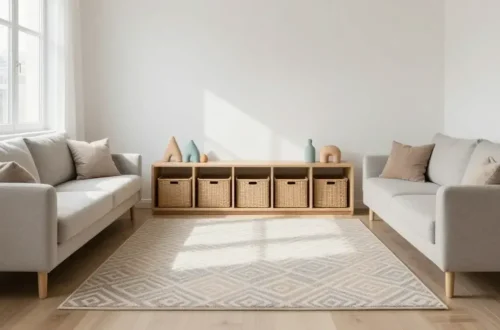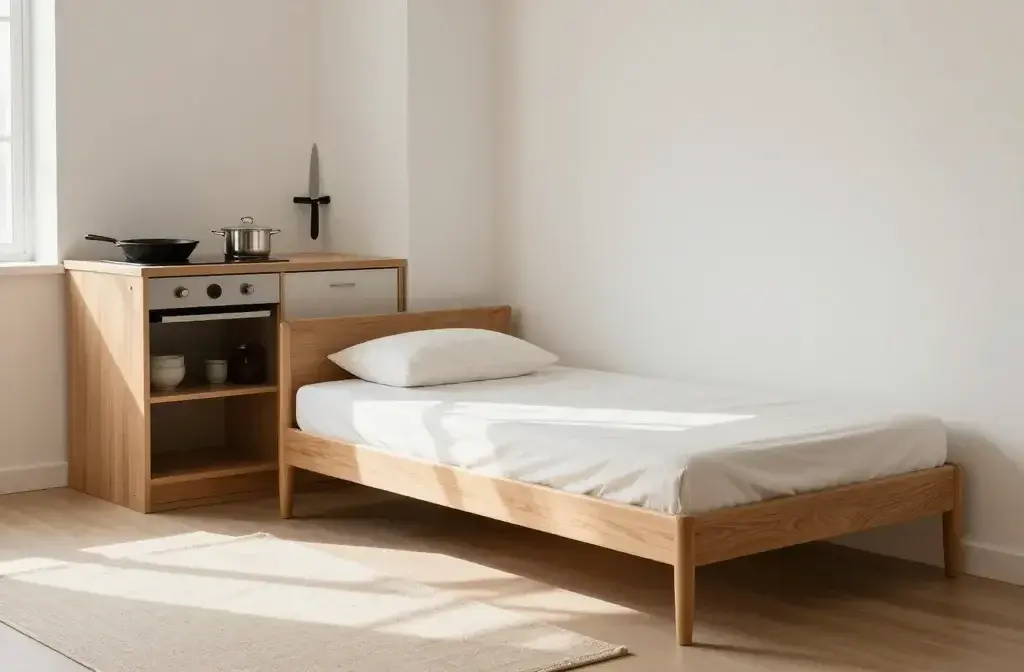
You don’t need a mansion to buy things that last decades. In a small space, your stuff works harder, so it better not break after one move or a Sunday deep clean. The trick? Invest in compact, well-built items that feel good to use every single day. Let’s talk through the “buy it for life” (BIFL) gear that earns its footprint.
Start With the Stuff You Touch Daily
You can skip a lot, but you’ll never skip eating, sleeping, and sitting. So put your budget where your hands, back, and eyeballs live.
1. A supportive mattress (and a real bed frame)
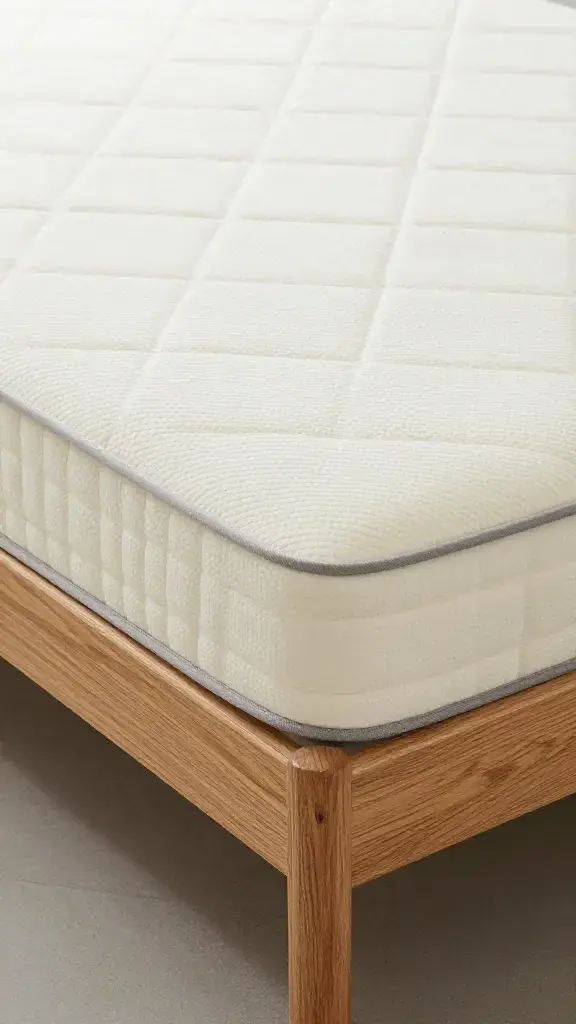
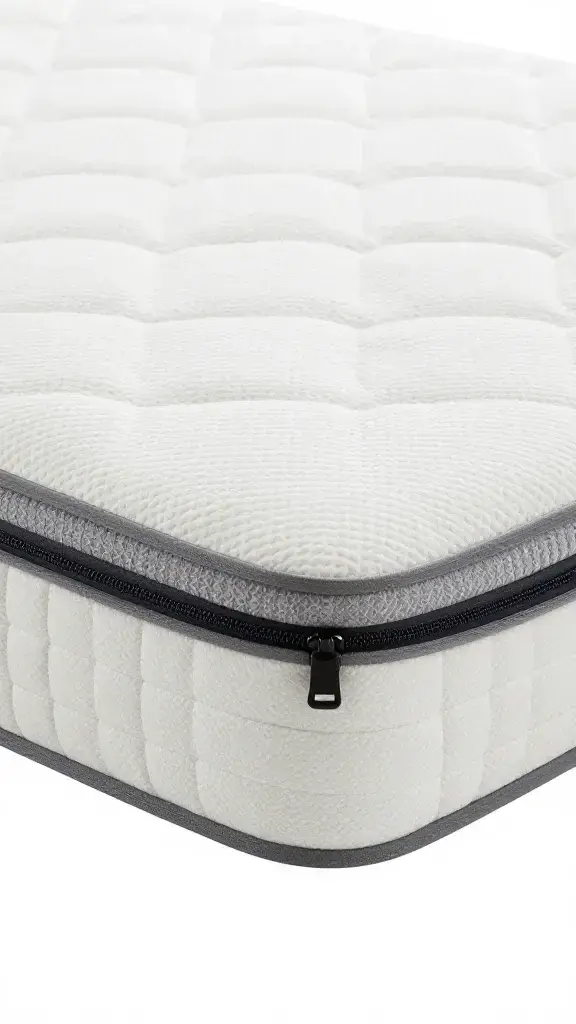
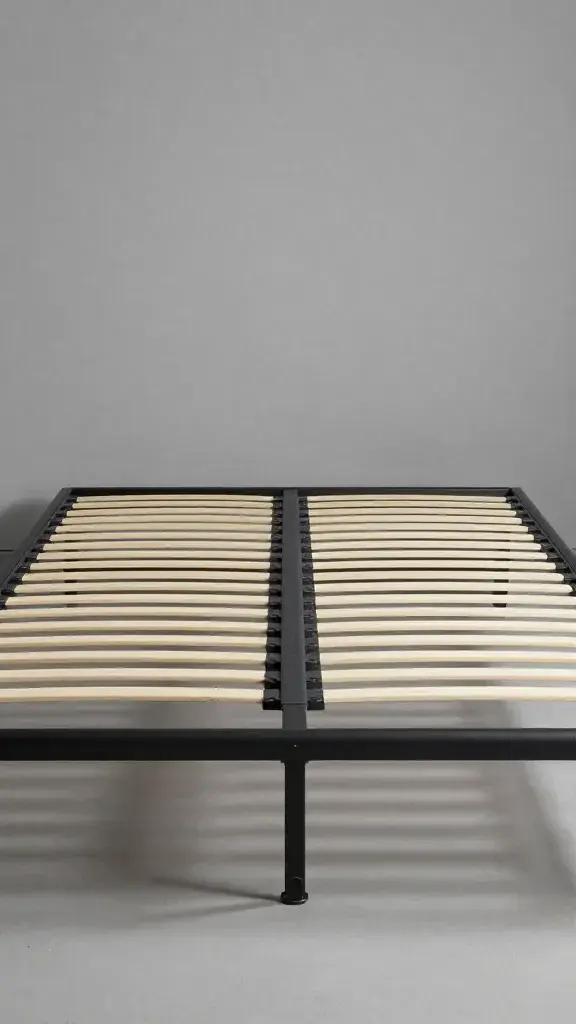
You don’t need a California king to sleep like royalty. Pick a quality, medium-firm mattress that won’t crater in two years. Natural latex or hybrid coils outlast most cheap foam beds and breathe better in tight rooms. Pair it with a solid hardwood or metal frame—no squeaks, no drama, no wonky center legs.
– Look for: zipper-removable cover, replaceable layers (for latex), 10+ year warranty
– Skip: mystery-foam specials with perpetual sales
2. A dense, supportive pillow
Yes, the pillow matters. Get one that suits your sleep style: shredded latex for adjustability, down for squish, or memory foam if you want contour. Replaceable fill or washable covers extend life. Your neck will file a complaint if you cheap out.
The Kitchen: Small but Mighty
You can cook like a pro with two burners and three square feet of counter. The secret? Fewer tools, better tools.
3. A tri-ply or cast-iron skillet
One pan to rule them all. A 10–12 inch cast-iron skillet sears, bakes, and survives abuse. Or go stainless tri-ply for lighter weight and easier deglazing. Either will outlive you with basic care.
– Cast-iron perks: oven-safe, nonstick when seasoned, cheap
– Stainless perks: fast response, dishwasher-friendly (usually), no seasoning drama
4. A 3–4 quart Dutch oven
Perfect size for small stoves and tiny sinks. Braise, bake bread, make soups, and host dinner for two. Enamel-coated cast iron cleans easily and looks good on open shelves.
5. A chef’s knife you’ll sharpen forever
You only need one great knife. Choose 8-inch chef’s knife, full tang, from a reputable maker. Steel matters more than brand hype. Then learn to use a honing rod and, FYI, stop storing it loose in a drawer like a gremlin.
– Look for: comfortable handle, easy-to-maintain steel (VG-10, X50CrMoV15, AEB-L)
– Add-ons: a rubberwood or end-grain board; it saves knives and fights bacteria
6. A compact, metal-bodied electric kettle
Boils fast, lasts long, and tucks away. Stainless steel interior beats plastic for durability and taste. Gooseneck if you brew coffee, standard spout if you don’t care about aim.
Furniture That Multitasks Without Screaming “Dorm”
In a small space, furniture earns rent by doing two jobs, minimum.
7. A real table that folds, drops, or extends
Get a drop-leaf or gateleg table that slim-lines against a wall but expands for guests or projects. Solid wood beats veneer for longevity—you can refinish it after your cat “customizes” the surface.
8. A sofa that isn’t landfill bait
Skip the saggy starter couch. Choose a kiln-dried hardwood or steel frame, removable cushion covers, and high-resilience foam or spring-down cushions. Modular designs let you reconfigure when you move, which you will, because rent.
9. Stackable, comfortable chairs
Get 4 stackable chairs you can actually sit in for hours. Metal or bentwood holds up, and neutral colors keep them from clashing when you inevitably switch rugs for the fourth time.
Storage That Hides Mess and Survives Moves
Clutter shrinks rooms faster than anything. Smart storage = visual calm.
10. Real shelves with real hardware
Floating shelves look clean but need strength. Choose solid wood shelves with sturdy brackets or a steel shelving system you can reconfigure. Wall anchors are not optional unless you like gravity surprises.
11. Lidded, stackable bins (clear or labeled)
Not sexy, but absolutely BIFL. Polycarbonate or heavyweight polypropylene survives temperature swings and moves. Clear bins help, but labels work just as well if you hate seeing your own stuff.
12. A wardrobe rack that won’t buckle
Small closets exist mainly in fairy tales. A commercial-grade steel garment rack with locking wheels handles seasonal swaps and heavy coats. Bonus: it nudges you toward a capsule wardrobe, IMO a good life choice.
Tools and Appliances That Pull Weight
If it has a motor or a hinge, buy once, cry once.
13. A canister vacuum with replaceable parts
Skip cordless if you can—batteries die. A compact bagged canister vacuum cleans better, stores easily, and lasts ages with fresh bags and filters. Your rugs and allergies will thank you.
14. A real blender or stick blender
Tiny kitchens love a stainless stick blender for soups, smoothies, and sauces. If you blend frozen stuff daily, step up to a heavy-duty blender with metal gears. Nothing ruins smoothie vibes like the smell of melting plastic.
15. A compact, all-metal fan or space heater (seasonal)
If you rent, climate control goes wild. Choose an all-metal desk or floor fan with serviceable bearings, or a ceramic space heater with tip-over protection. Store off-season gear in those labeled bins. Look at us, full circle.
Bathroom and Laundry: Small Upgrades, Big Wins
Weirdly, the items you barely notice deliver massive comfort.
16. Thick cotton towels and a real bath mat
High-GSM cotton or linen towels last longer and dry faster. Waffle-weave saves space and dries on cramped racks. A rubber-backed cotton mat won’t skid or unravel every wash.
17. A solid laundry drying rack
Compact, wall-mounted or accordion-style racks pay for themselves. Wood looks nice but warps; powder-coated steel or aluminum shrugs off humidity and wet jeans.
18. A plunger and brush that won’t disintegrate
Unsexy, essential. Get a heavy-duty flange plunger and a stainless brush with replaceable heads. Hide them in a sealed caddy and never think about them again—until you really, really need them.
Materials and Build: How to Judge “Buy It For Life”
Not every pricey thing deserves your cash. Learn the signs of longevity.
What to look for
– Materials: Solid wood, real leather, stainless steel, cast iron, brass, and natural fibers age gracefully.
– Fasteners: Screws and bolts beat glue and staples. Knock-down hardware should be metal and standardized.
– Serviceability: Replaceable parts, removable covers, standard-size filters or bags.
– Warranty + reputation: Long, clear warranties and brands that actually sell parts 5–10 years later.
What to avoid
– Laminated particleboard for load-bearing pieces (swells, chips, cries when moved).
– One-piece plastic gadgets with non-replaceable batteries.
– Trend-driven designs that look dated in a year (your space is too small for regrets).
How to Make Fewer Things Do More
BIFL meets small-space minimalism—aka fewer, better, smarter.
– Choose neutral cores: Keep the big items classic; swap color with textiles and art.
– Scale matters: Pick items that fit doors, elevators, and your next apartment. Measure twice, return never.
– Care like you mean it: Season the pan, oil the board, rotate the mattress, wash the filters. BIFL needs love, not coddling.
– Buy used when it makes sense: Cast iron, solid wood, steel shelving, and vintage fans often get better with age. FYI, you can refinish, sharpen, and reupholster.
FAQ
Is “buy it for life” just code for “expensive”?
Not automatically. Upfront cost runs higher, but you pay once instead of on repeat. The trick is choosing items with repair paths and durable materials. Many of the best pieces hold resale value too.
What if I move a lot—should I still invest?
Yes, but pick modular, knock-down pieces with metal hardware and standard tool assembly. Keep original boxes for small appliances and label bags of screws like your sanity depends on it (because it does).
How many kitchen tools do I actually need in a tiny apartment?
IMO, start with a chef’s knife, cutting board, skillet, Dutch oven, and one pot. Add a kettle and a stick blender if you cook often. Most gadgets duplicate tasks and steal drawer space.
Are nonstick pans BIFL?
Traditional PTFE nonstick isn’t. Coatings wear out. If you want slick surfaces that last, go cast iron or carbon steel and season them. For eggs-every-day convenience, keep one nonstick and accept it as a consumable.
What’s the best fabric for a long-lasting sofa in a small space?
Look for tight-weave, high-rub-count polyester blends or performance fabrics with removable covers. Natural linen looks great but needs more care. Darker mid-tones hide city dust and coffee “patina.”
How do I know if a mattress will last?
Check for coil count and gauge on hybrids, or density and replaceable layers on foam/latex. Try it in person if possible, and confirm a generous sleep trial. Flippable designs typically last longer.
Wrap-Up: Fewer Things, Better Life
Small spaces force honesty. You don’t have room for flaky furniture, wimpy pans, or appliances that retire early. Invest in pieces with solid materials, repairable parts, and designs that multitask without drama. Buy it once, care for it, and let your tiny home punch way above its square footage—no mansion required. IMO, that’s the real luxury.