You open the pantry for pasta and find… three half-empty boxes, a mystery jar of quinoa, and a bag of flour that’s clearly seen things. We’ve all been there. Let’s fix it. A small pantry can do big things when you set up smart containers, clear zones, and a bulletproof rotation system. Ready to turn chaos into “chef’s kiss” order?
Start With a Ruthless Edit
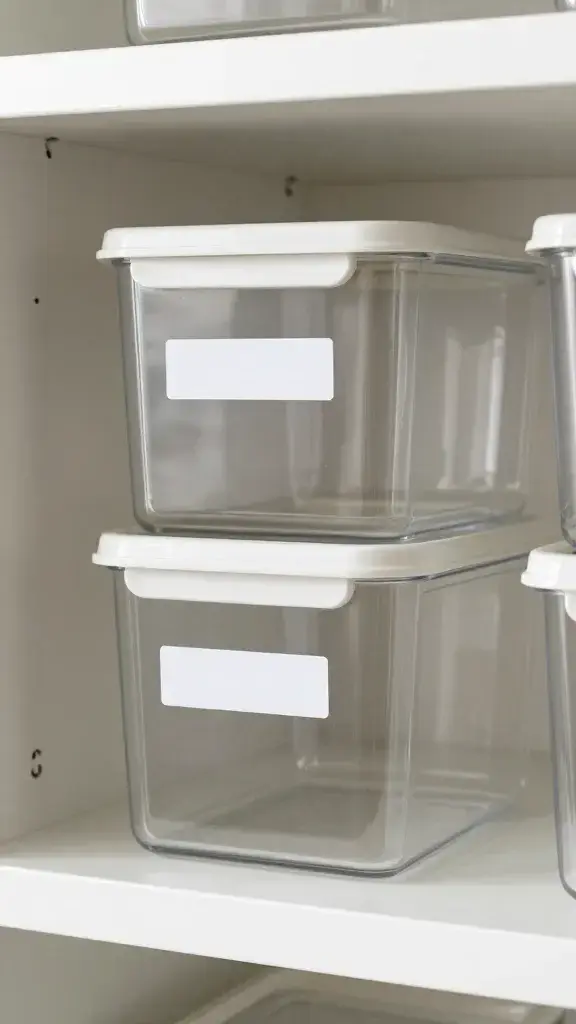
Before you buy a single container, clear the decks. Pull everything out. Yes, everything. You need to see what’s living rent-free in the back.
- Toss the expired stuff (no judgment, but 2019 spices? Bye).
- Consolidate duplicates—combine open bags and boxes into one.
- Group what you actually use—baking, breakfast, snacks, canned goods, pasta/grains, oils/vinegars.
You’ll feel 10 pounds lighter. Plus, you’ll stop buying your third bottle of soy sauce “just in case.”
Choose Containers That Pull Their Weight
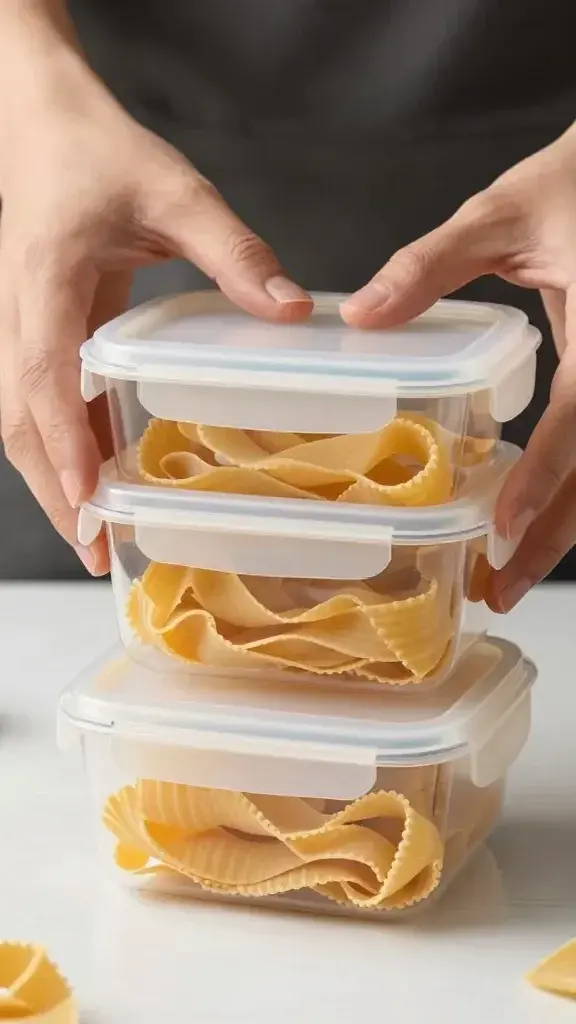
Containers only help if they make your life easier. Match the vessel to the item and the shelf depth.
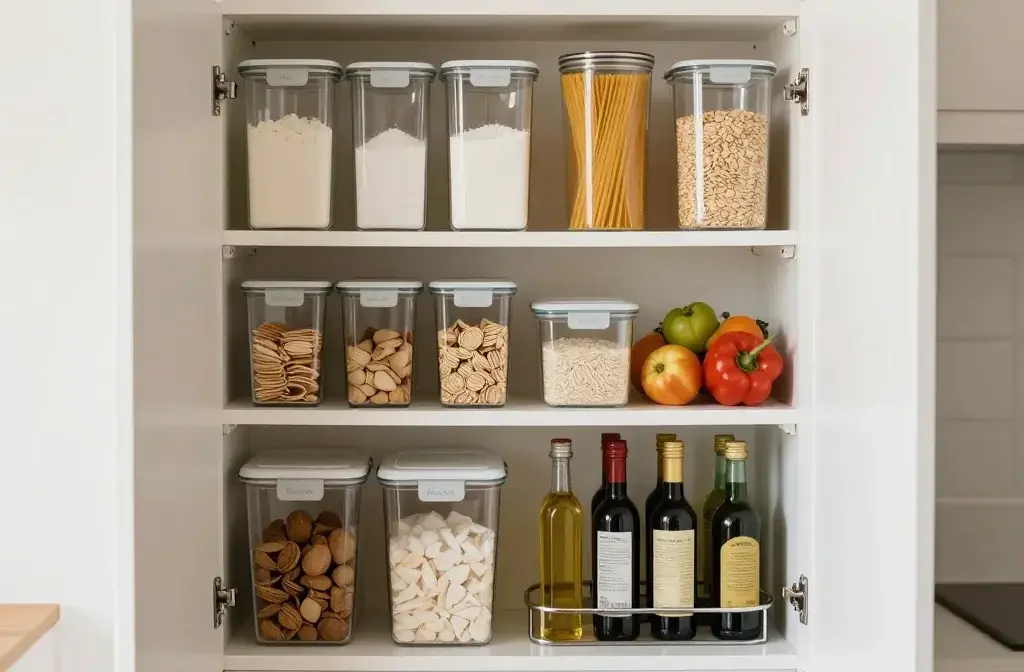
- Clear, airtight bins for flour, sugar, rice, oats. You see levels at a glance, and your food lasts longer.
- Tall canisters for spaghetti and linguine so they don’t flop around like sad noodles.
- Shallow bins for snacks and packets—think grab-and-go zones.
- Lazy Susans for oils, vinegars, sauces—no more sauce Jenga.
- Stackable can risers so you can see every label without deep diving.
- Under-shelf baskets for wraps, foils, or tortillas—use that vertical space.
Label Like You Mean It
You don’t need Pinterest handwriting. You just need clarity.
- Big, obvious labels on the front, not the lid.
- Include item + open date for flours, grains, and snacks. FYI, it helps with rotation.
- Use removable labels or a chalk marker so you can switch things up without sticky residue.
Create Zones That Reflect Real Life
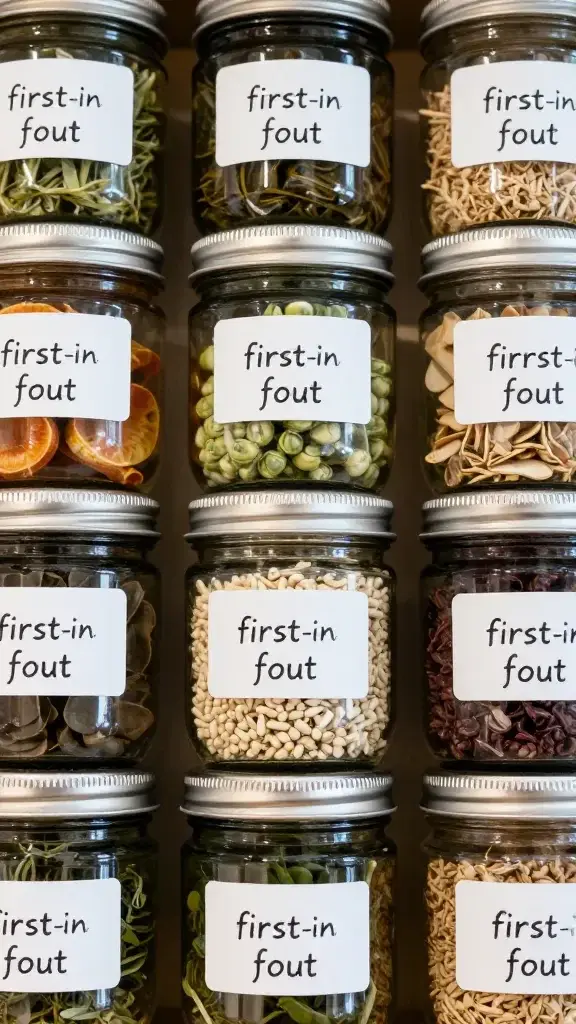
Your pantry should work the way you cook and snack. Build zones around habits, not Instagram aesthetics.
- Everyday Zone (eye level): breakfast, snacks, nut butters, coffee/tea.
- Cooking Base Zone (easy reach): oils, vinegars, sauces, broths, canned tomatoes, onions/garlic.
- Carb Central: pasta, rice, grains, tortillas, bread items.
- Baking Nook: flours, sugars, leaveners, chocolate, extracts.
- Backstock/Overflow (top or bottom): extras you bought on sale or bulk refills.
Pro tip: Put kid snacks low. Put adult treats high. Protect the good chocolate like the national treasure it is.
Micro-Zones for Small Pantries
Short on shelves? Micro-zone inside bins.
- One bin for meal kits (taco shells, seasoning, canned beans).
- One bin for Asian night (soy, sesame oil, noodles, nori).
- One bin for Italian night (pasta, pesto, canned tomatoes).
Pull a bin, cook, slide back—no scavenger hunt required.
Master the Rotation Game (FIFO or Bust)
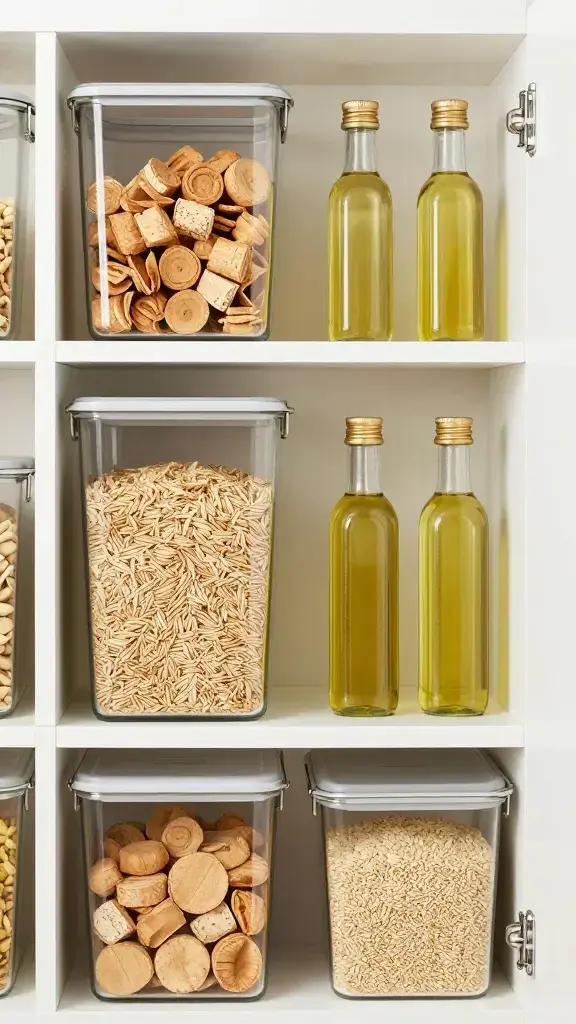
Rotation makes a small pantry feel bigger because you actually use what you buy. Follow FIFO: First In, First Out.
- Front-load open items: Put open containers in front and newer stuff behind.
- Date everything: Use a Sharpie on the bottom or label. Your future self will thank you.
- Weekly reset: 5-minute Sunday tidy—shuffle older items forward, check low bins.
Use a “Soon Bin”
Make a small bin labeled Use Me Next. Add anything nearing its prime: half-bags of nuts, open broth, one-off ingredients. Plan meals around it. It stops waste and sparks creativity. IMO it’s the secret sauce of a tidy pantry.
Optimize Shelf Space Like a Tetris Master
Small pantry? Go vertical and go shallow.
- Tiered shelves for cans and jars so every label faces you.
- Risers for short items behind tall items—no hiding.
- Back-of-door organizers for spices, wraps, and small bottles.
- File bagged goods upright in bins (chips, rice, beans) instead of laying them flat.
- Decant only what helps: decant flour, sugar, and oats; keep weird shapes (panko, specialty pastas) in original bags inside a labeled bin.
Pantry Math for Container Sizes
– 5 qt holds a standard 5 lb bag of flour or sugar.
– 2.5–3 qt fits oats, rice, or brown sugar.
– 1–1.5 qt fits nuts, lentils, quinoa, and snacks.
Buy a few extras so your system flexes with sales and seasonal baking.
Keep It Real: Maintenance You’ll Actually Do
Perfection dies on week two. Build low-effort habits.
- One-in, one-out rule: If you buy a new sauce, finish or donate a duplicate.
- Bin-based cleanup: When a bin gets messy, you clean only that bin. Fast wins.
- Monthly “mini audit”: 10 minutes to check dates, refill canisters, and update a quick restock list.
- Park a marker and tape inside the pantry for instant labeling.
FYI: If your system needs a 20-minute explanation to housemates, it won’t last. Use big labels and obvious zones so everyone can play.
Make It Pretty (But Functional First)
Looks matter because you’ll use a space you love. But function leads, always.
- Consistent container style for a calm, clean look.
- Mix materials—clear plastic/glass for visibility, woven bins for snacks or onions.
- Color-code labels by zone if you like a little flair.
Low-Budget Wins
– Repurpose jars for grains and beans.
– Use shoe boxes as temporary bins.
– Binder clips to hang open chip bags from a wire shelf.
– Masking tape labels—cheap, effective, not precious.
FAQ
Do I need to decant everything into matching containers?
Nope. Decant what you use often and what benefits from a seal (flour, sugar, oats). Keep odd shapes or rarely used items in their original packaging inside a labeled bin. You get the function without the container tax.
How do I handle bulk buys in a small pantry?
Create a dedicated backstock zone. Keep one container in use and store the rest up high or in a closet bin. Label the bin with what’s inside and the date, then refill when your canister dips below one-third.
What’s the best way to store spices in a tiny space?
Use a back-of-door rack or a two-tier turntable. Group by cuisine or frequency. If you decant, label tops and fronts. Otherwise, corral original jars in a shallow bin so you can pull-and-scan fast.
How do I stop snacks from disappearing in two days?
Make a Daily Snacks bin with single-serve portions and stash bulk refills out of reach. If you’ve got kids, put their bin low and yours high. Also, don’t announce where you hide the kettle chips (rookie mistake).
What if my pantry is just one cabinet?
Go vertical with stackable shelves, use slim bins as drawers, and mount a spice rack inside the door. Micro-zone by shelf: top = backstock, middle = daily, bottom = cooking staples. It still works, promise.
How often should I rotate and clean?
Do a 5-minute weekly shuffle and a 10-minute monthly audit. Rotate open items forward, check dates on perishables, and top off canisters. That rhythm keeps the system humming without eating your weekend.
Conclusion
A small pantry doesn’t need more space—it needs a smarter layout. Build clear zones, pick containers that earn their keep, and run a simple rotation system. Keep labels bold, habits easy, and maintenance light. Do that, and your pantry will stop being a black hole and start being your favorite five square feet of the house, IMO.