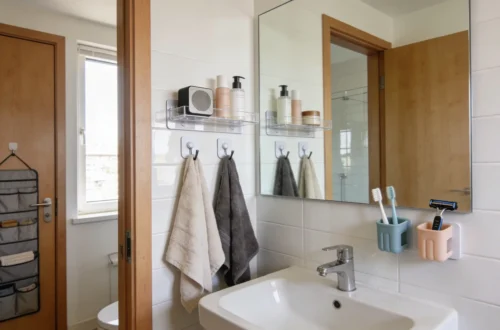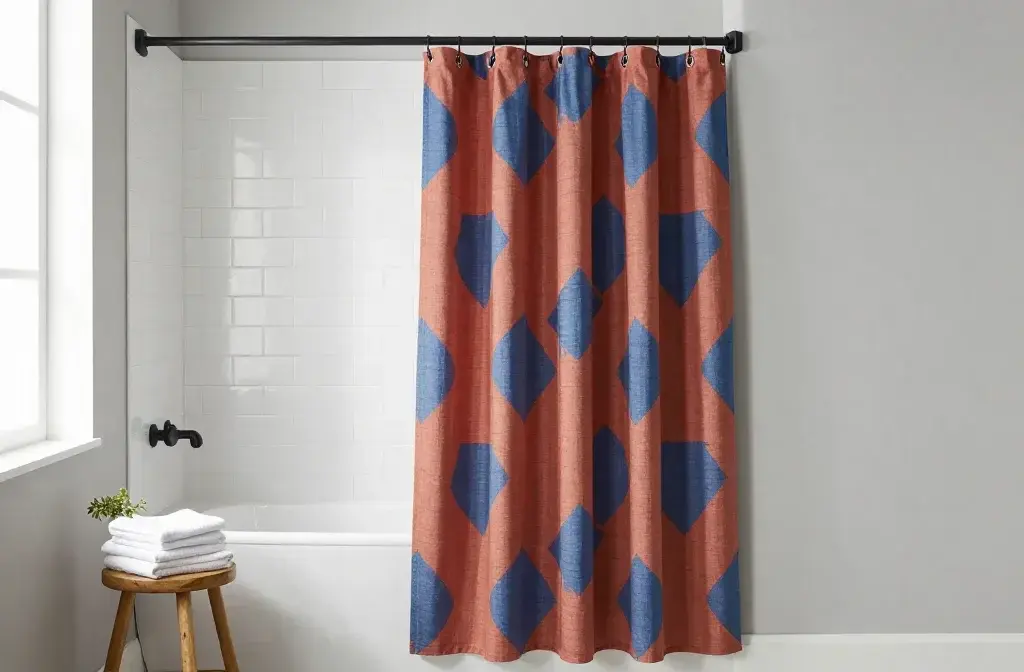
Your bathroom might be basic, but your shower curtain doesn’t have to be. Swap out that sad, plasticky sheet for something with personality, and suddenly the whole room levels up. It’s the fastest, cheapest way to fake a mini-reno. Ready to pick one that actually looks intentional? Let’s do it.
Decide the Role: Star of the Show or Background Extra?
Before you scroll through 8,000 options, choose the curtain’s job. Do you want it to steal the spotlight, or quietly pull everything together? Either works—just pick a lane.
- Go bold if your bathroom is super plain: white tile, neutral walls, limited drama. A patterned or color-saturated curtain adds instant “designed” energy.
- Go subtle if your floor tile or vanity already brings texture or color. A muted linen or soft stripe will support the vibe without causing chaos.
- Match your metals loosely. If you have brass or black fixtures, echo that in the curtain rod or hooks. Not a perfect match, but at least they look like they know each other.
Pick the Right Fabric (Yes, It Matters)
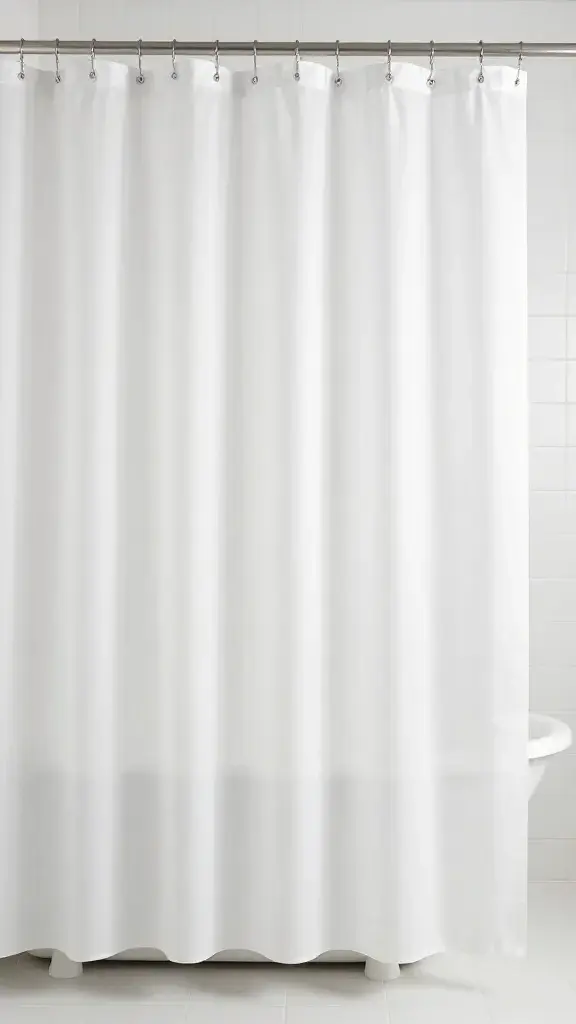
Material changes everything—look, feel, and how much maintenance you sign up for.
- Polyester: Budget-friendly, tons of patterns, dries fast. Great for kids’ baths or renters. Feels less luxe but wins on practicality.
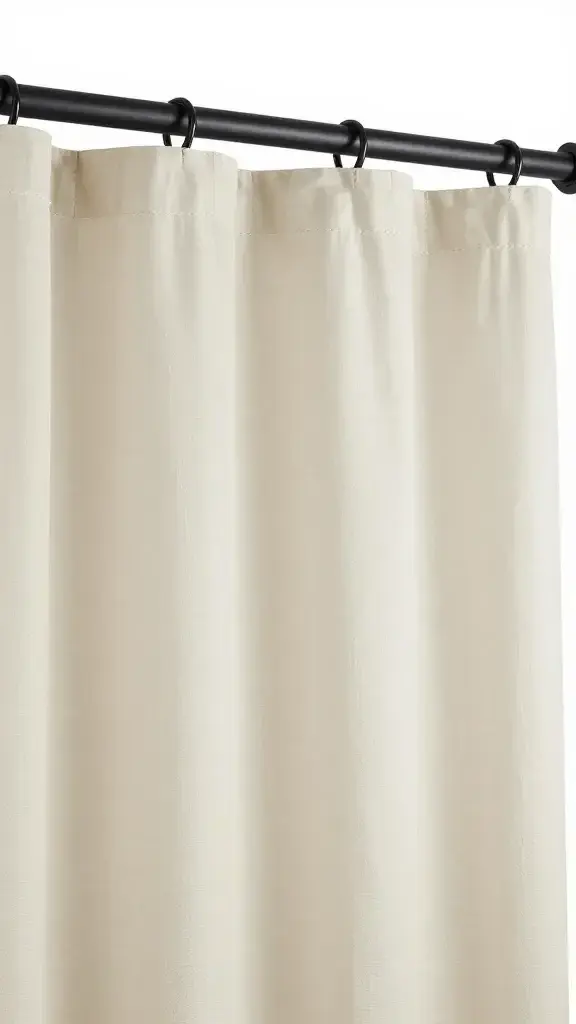
- Linen or linen-blend: Effortlessly elevated, textured, and airy. You’ll need a liner. Expect light wrinkles—embrace the “casual chic” vibe.
- Cotton: Soft, classic, more absorbent. Use a liner to avoid a soggy, mildew-prone mess. Wash regularly.
- PEVA/EVA: Vinyl alternatives that don’t off-gas as much. Transparent or semi-opaque, perfect for small spaces that need light.
Quick tip: Always use a liner (even with “waterproof” curtains)
A liner protects your pretty curtain from soap, hard water, and mildew. Choose a weighted, mildew-resistant liner that’s a bit longer than the curtain so it stays inside the tub.
Size and Length: The Tailoring Secret Nobody Talks About
The right length makes your bathroom look custom—like you hired a stylist for your shower.
- Standard width is 70–72 inches; taller showers may need extra-wide (72–84 inches).
- Standard length runs 70–72 inches. If you have high ceilings or a tension rod mounted higher, shop “extra long” (78–84 inches).
- Hang it higher than you think. Raise the rod a few inches below the ceiling line to elongate the room. Just keep the hem ½–1 inch off the floor to avoid pooling and mildew.
Double curtain trick
Use two panels (one on each side) with a liner behind them. It looks like drapery, feels expensive, and works best with a fixed rod and curtain rings.
Patterns, Colors, and Textures: Choose Your Visual Story
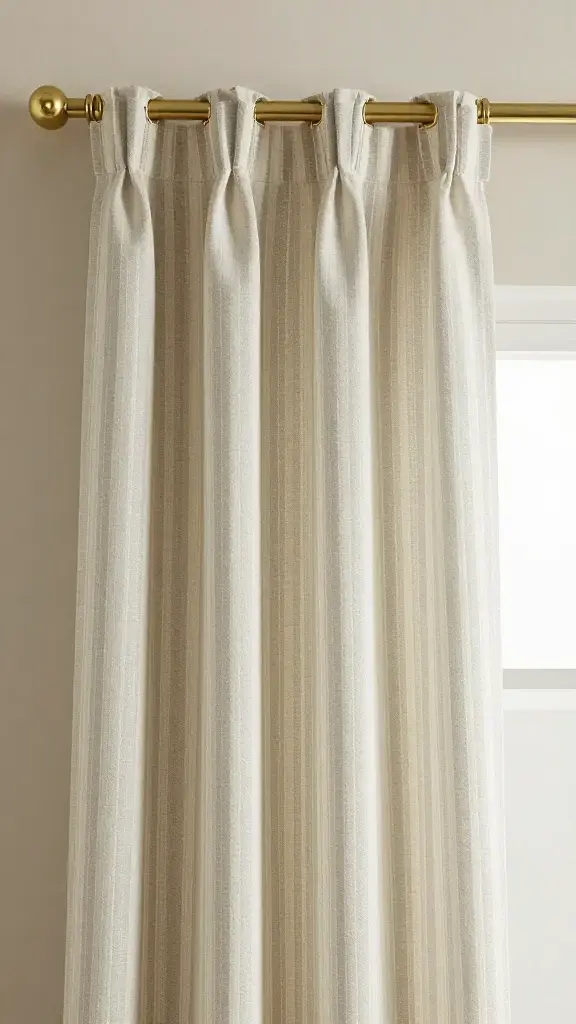
Think of your curtain as a giant vertical art piece. What story do you want it to tell?
- Stripes: Crisp and classic. Vertical = taller feel, horizontal = wider feel. Perfect for tiny baths.
- Graphic or botanical prints: Adds energy and a focal point. Balance with simple bath mats and towels.
- Solid colors: Calming and versatile. Go bolder than your walls for contrast, or tone-on-tone for a spa look.
- Textured neutrals: Waffle weave, seersucker, slub linen—instant coziness without pattern overload.
Color palette cheat sheet
– White tile + chrome fixtures: Navy, forest green, or black-and-white pattern pops beautifully.
– Warm wood vanity + brass: Creamy linen, rust, sage, or terracotta look rich and grounded.
– Tiny space with no window: Sheer or light-toned curtain with texture keeps things bright.
– Rental beige everything: Muted stripes or soft pastels modernize the beige without fighting it.
Hardware: Small Upgrades, Big Payoff
Don’t let flimsy hooks ruin the vibe. Hardware is the jewelry of the bathroom.
- Rings vs. hooks: Ring clips with rollers glide smoothly and look polished. Hookless curtains are sleek and renter-friendly.
- Rod style: A straight metal rod looks clean and modern. A curved rod adds elbow room—great if you hate clingy curtains.
- Finish: Echo your faucet/showerhead finish: matte black, brass, chrome, or brushed nickel. They don’t have to match perfectly, but keep them in the same family.
Pro move: Double-rod setup
Install a double rod or a rod with two rows of rings so you can open the curtain while the liner stays put. It looks nicer and dries faster. FYI, it also makes cleaning a breeze.
Styling: Layer the Look Like You Mean It
A curtain doesn’t live alone. Surround it with supporting players that make it shine.
- Coordinate towels: Pick 1–2 colors from the curtain and repeat them in towels or a bath mat. Not matchy-matchy—just related.
- Add texture: Woven hamper, wooden stool, or stone soap dish. Even one natural element softens all the tile.
- Mind the mat: Choose a mat with grip, texture, and color that won’t compete. Waffle, braided cotton, or a low-pile rug works great.
- Greenery: A pothos or fern thrives in humidity and makes everything feel intentional. Fake works too—zero judgment.
Cleaning and maintenance rhythm
– Wash fabric curtains every 4–6 weeks (more often if hard water).
– Toss the liner in the wash with vinegar and baking soda every month.
– Open the curtain fully after showers so it dries fast and won’t breed mystery spots.
Budget vs. Luxe: Where to Spend, Where to Save
You don’t need to splurge across the board. Choose what matters to you.
- Spend on: A high-quality fabric curtain (linen or a dense cotton), a sturdy rod, and smooth-glide rings.
- Save on: The liner (as long as it’s weighted), basics like a simple bath mat, and seasonal or trendy prints.
- Mix high-low: Pair a pricier neutral curtain with budget towels, or vice versa. IMO, a great rod + rings makes almost any curtain look better.
Common Mistakes (And Easy Fixes)

– Hanging too low: Lift the rod. Give the room some vertical stretch.
– Clashing patterns: If the floor tile already screams, pick a solid or subtle texture.
– Skimping on width: If it doesn’t close fully or looks skimpy, go wider or use two panels.
– Ignoring lighting: Dark curtain + no window = cave vibes. Pick brighter tones or semi-sheer.
– Zero cohesion: Tie in at least one color/finish from your curtain to another item—towels, soap pump, art. Instant “on purpose.”
FAQs
Do I need both a curtain and a liner?
Yes. The liner handles water and grime, the curtain handles the looks. You’ll clean the liner more often and keep the curtain fresh longer. It’s a tag team.
What length should my shower curtain be?
Aim for just above the floor—about ½–1 inch clearance. If you can, raise the rod so the curtain hangs higher. It stretches the room visually and looks custom.
How do I prevent mildew on the curtain?
Use a mildew-resistant liner, open the curtain fully after showers, and run an exhaust fan. Wash fabric curtains every month or two and clean the liner with vinegar. A quick daily shake helps, too—seriously.
Is a curved rod worth it?
If you hate a clingy curtain, yes. It gives you more elbow room and feels hotel-level comfy. Just make sure your tub edge and layout can handle the extra width.
What patterns work best in small bathrooms?
Vertical stripes, small-scale patterns, or textured solids. They add interest without overwhelming the room. FYI, lighter colors reflect more light and make everything feel airier.
Can I use a regular window curtain as a shower curtain?
You can, with a waterproof liner behind it and rust-proof rings. Just check width and length. Creative? Absolutely. Practical? With a liner, yes.
Wrap-Up: Your Curtain, Your Statement
A shower curtain can transform a blah bathroom in one swap. Choose the role (bold or quiet), pick the right fabric, hang it higher, and style the whole scene with thoughtful hardware and a few accessories. Keep it clean, keep it cohesive, and you’ll get that “did you redo your bathroom?” comment. IMO, it’s the best thirty-minute makeover you can do—no tile saw required.