Your front door opens straight into… chaos? Same. Shoes, bags, umbrellas, and that one rogue scarf that goes missing until July. Good news: you don’t need a dedicated mudroom to tame the mess. You just need smart zones, a few compact tools, and a tiny bit of habit-building. Let’s build a “no-mudroom” mudroom that works hard in the little space you’ve got.
Claim a Landing Zone (Even If It’s 18 Inches Wide)
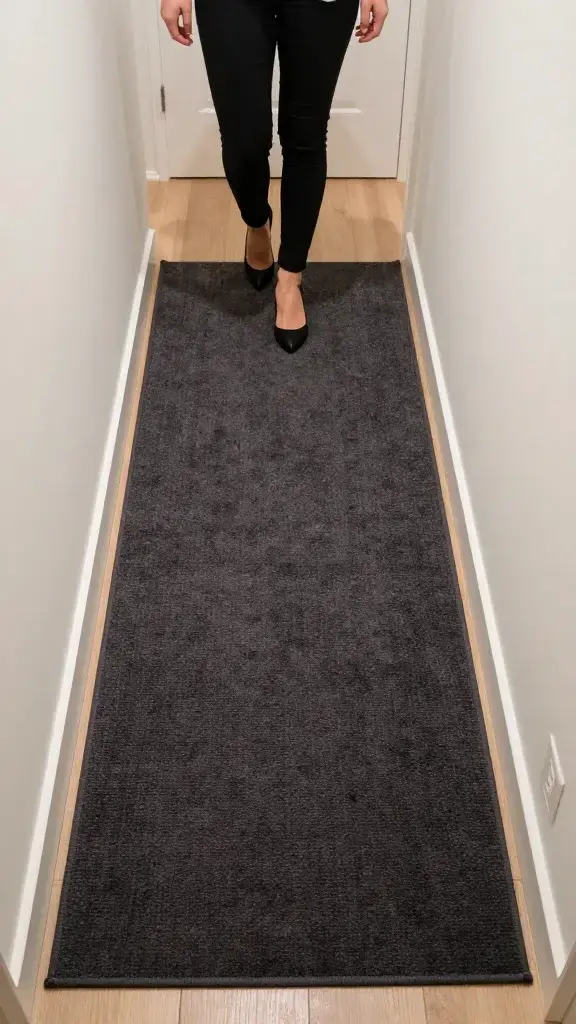
You don’t need a foyer. You just need a boundary. Pick the first 2-3 feet inside the door and anoint it as your “drop zone.” That’s your mudroom now.
Anchor it visually:
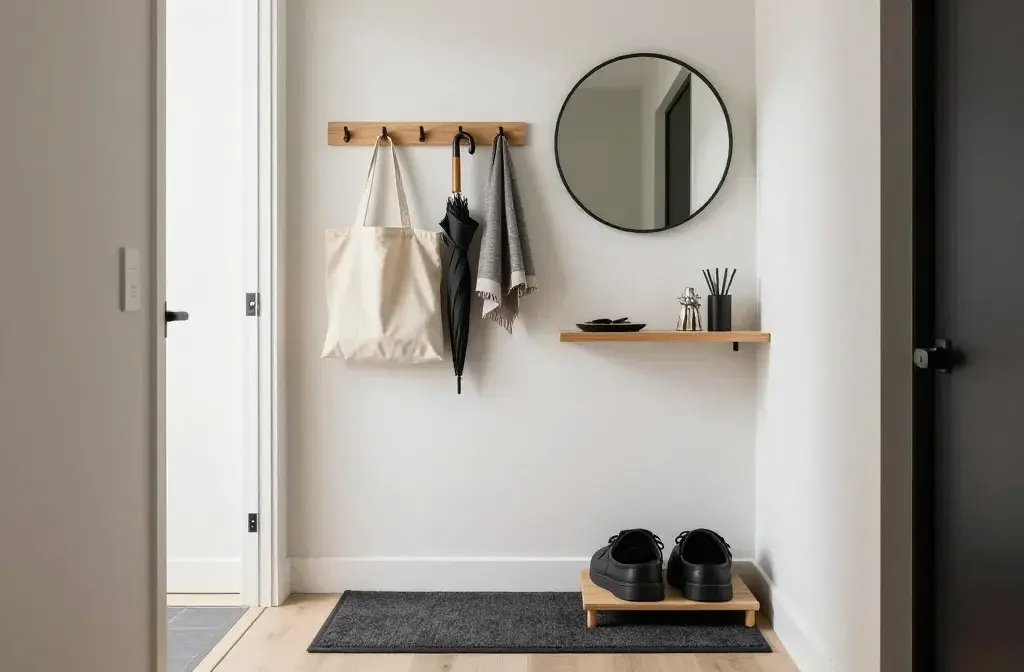
- Use a small runner or doormat to mark the spot. Dark, low-pile rugs hide dirt like pros.
- Hang an art print or mirror above the area to make it feel intentional, not accidental.
Define key functions:
- Shoes off here.
- Bags hook here.
- Keys/wallet/ID land here. Every. Single. Time.
Pro move: The Double-Mat Strategy
Use a heavy-duty outdoor mat right outside your door (if your building allows) and a washable indoor mat inside. You trap grit before it wanders off to ruin your floors. FYI: Coir outside, cotton or rubber-backed inside = chef’s kiss.
Go Vertical: Walls Do the Heavy Lifting
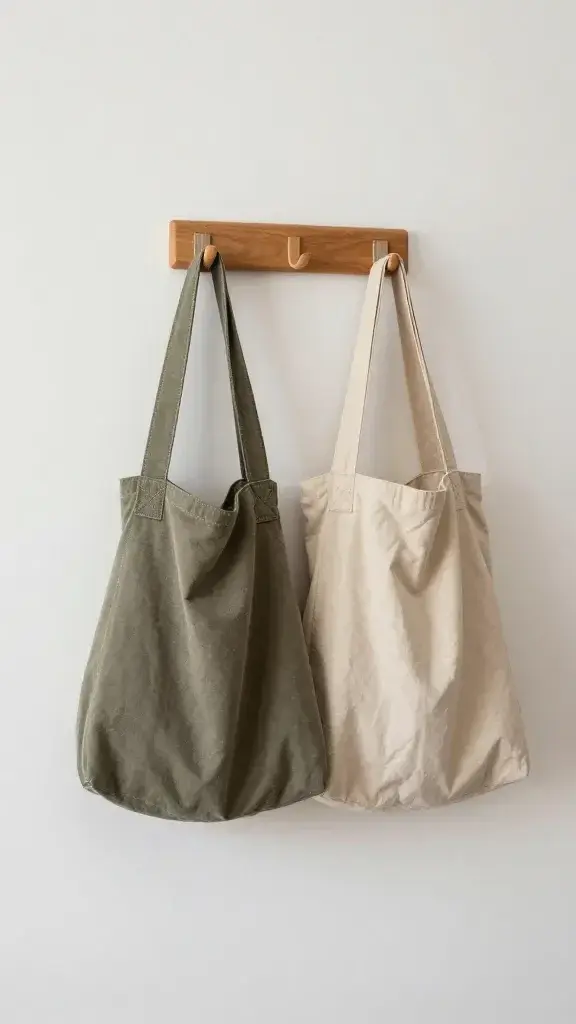
No floor space? Cool, we’ve got walls. Think high and narrow.
Best bets for vertical storage:
- Rail + hooks system: Mount a rail with S-hooks or pegs. It fits coats, bags, umbrellas, dog leashes, you name it.
- Skinny wall shelves: A 4” deep floating shelf holds keys, sunglasses, mail, and a little tray without smacking you in the shoulder.
- Over-door racks: Use the back of the entry door for hats, scarves, and lightweight totes. Choose felt-lined hooks if you’re renting.
What to avoid
Skip super-wide shelves or deep cabinets by the door. You’ll bruise a hip and curse your past self. Aim for 4–8 inches deep max.
Solve Shoes Without a Bulky Bench
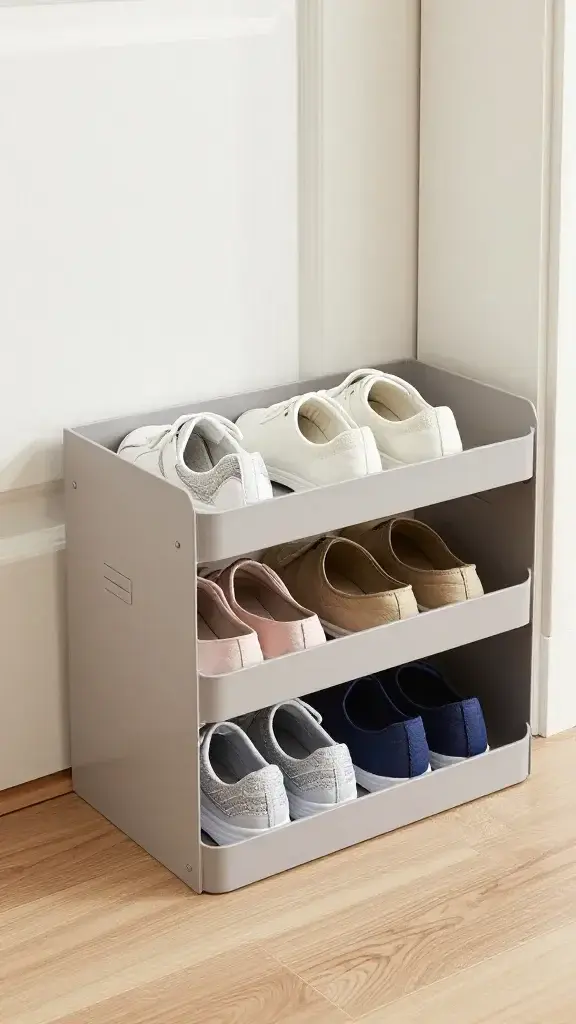
Shoes multiply when you look away, but you can corral them without a giant piece of furniture.
Smart shoe solutions:
- Under-console baskets: A narrow console + lidded baskets keeps shoes contained but reachable.
- Tiered wire rack: Slim, low profile, and easy to clean. Set it perpendicular to the wall to create a mini “nook.”
- Slim shoe cabinet: Those flip-down cabinets are basically magic. Go for 7–9 inches deep.
- Collapsible boot tray: For winter, a rubber tray saves your floors. Fold it flat in dry seasons.
The 1-in, 1-out rule (IMO, non-negotiable)
Keep only the shoes you wear this week by the door. Everything else lives in the closet. If new pairs creep in, banish an old pair from the entry. Zero mercy.
Create a Mini Command Center
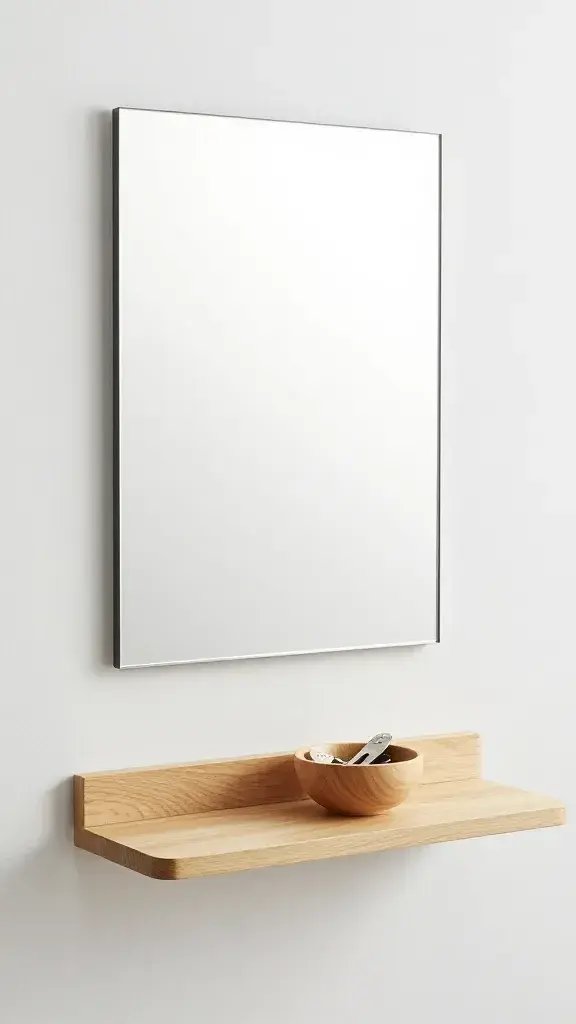
A mudroom handles more than mud. It handles life admin. Set up a tight little command center that fights clutter for you.
Elements to include:
- Key hook or tray: Keys live here or they vanish. No in-between.
- Mail sorter: A wall-mounted sorter with 2 slots: “Action” and “Recycle.” Junk mail goes straight to the bin.
- Charging perch: A small shelf with a multi-port charger for phones/earbuds. Hide cables in a cord clip.
- Small catch-all bowl: For ChapStick, transit cards, and that rogue earring back.
Micro-habit: The 30-Second Reset
When you walk in, spend 30 seconds putting stuff where it goes. When you leave, spend 30 more. That’s one minute a day to skip weekend chaos. Your future self says thanks.
Use Furniture That Moonlights as Entry Storage
Your living room might start 5 feet from the door. Fine. Let’s recruit multipurpose pieces that moonlight as entry gear.
Stealthy storage heroes:
- Storage ottoman: Stash hats, gloves, and dog stuff—then kick your feet up.
- Narrow console with drawers: Hide masks, sunscreen, and spare keys without screaming “I am a filing cabinet.”
- Armchair pocket caddy: Tucks next to the nearest seat to hold mail and umbrellas if the wall’s a no-go.
- Bar cart as landing pad: Top shelf: keys and sunglasses. Bottom shelf: baskets for shoes or gym gear. It rolls when you rearrange.
Renters: Non-damage options
Use Command hooks, over-door racks, and freestanding rails. If you must drill, patch with spackle before moving out. Landlords love a good “no evidence we existed” vibe.
Season-Proof Your Setup
Your “no-mudroom” should flex for weather changes. Otherwise, your spring setup will drown in winter gear.
Seasonal swaps:
- Winter: Add a boot tray, umbrella stand (or towel-lined basket), and a microfiber mat. Double down on hooks.
- Summer: Swap to a lighter rug, stash heavy coats, and make room for beach totes and sunscreen.
Label like you mean it:
- Use discreet tags on bins: “Everyday Shoes,” “Dog Walk,” “Mail,” “Returns.”
- Clear labels stop the “Where does this go?” debate. You already solved it.
Tricks That Make Small Spaces Feel Organized
Sometimes it’s not just what you add—it’s what you hide.
Visual calm tips:
- Match your materials: Keep baskets, hooks, and trays in the same color family for cohesion.
- Mirror by the door: It bounces light and makes your entry feel bigger. Also: last-minute spinach-in-teeth checks.
- Closed storage up top, open storage below: Hide the ugly stuff up high; keep daily grab-and-go items at waist height.
Lighting matters (more than you think)
Add a plug-in sconce or small lamp on a smart plug. Bright entry = fewer lost items. Also sets a mood that says “I have my life together,” even if your sock drawer disagrees.
FAQs
What’s the bare minimum I need for a “no-mudroom” mudroom?
You can start with three things: a rug or mat, two hooks, and a small tray for keys. That combo handles dirt, coats/bags, and essentials. Add a shoe solution next and you’re 80% of the way there, IMO.
How do I avoid clutter piling up again?
Limit capacity on purpose. Use a set number of hooks and a small tray. When those fill, you have to put things away elsewhere. Pair it with that 30-second reset when you leave and when you come home.
What if my entry opens into a kitchen or hallway?
Steal a sliver of wall. Mount a narrow rail and a 4” shelf. Put a runner to define the path and drop a basket under the shelf for shoes. You’re not building a room—you’re building a zone.
Any renter-friendly ways to add hooks?
Yes: Command hooks, over-door racks, and freestanding coat trees. For heavier coats, use multiple medium-duty hooks instead of one heavy-duty hook to spread the load. No wall repair panic later.
How many shoes should I keep by the door?
Keep 1–2 pairs per person, max. Rotate seasonally if you must. Everything else goes in a closet or under-bed bins. It’s a mudroom, not a shoe museum.
Do I really need a mail sorter?
If paper shows up at your place, yes. A two-slot wall sorter stops paper piles from migrating to your dining table. Add a tiny recycling bin nearby to slay junk mail instantly. FYI: shred anything sensitive before it leaves your hands.
Wrap-Up: Your Entry, Upgraded
You don’t need a dedicated room—you need boundaries and a few smart tools. Claim a landing zone, go vertical with hooks and shelves, keep only what you use daily, and build a mini command center that runs on micro-habits. Keep it renter-friendly, season-proof, and visually calm. Do that, and your front door stops being a chaos portal and turns into a tiny, efficient welcome home.